Managing the Chronically Laminitic Horse
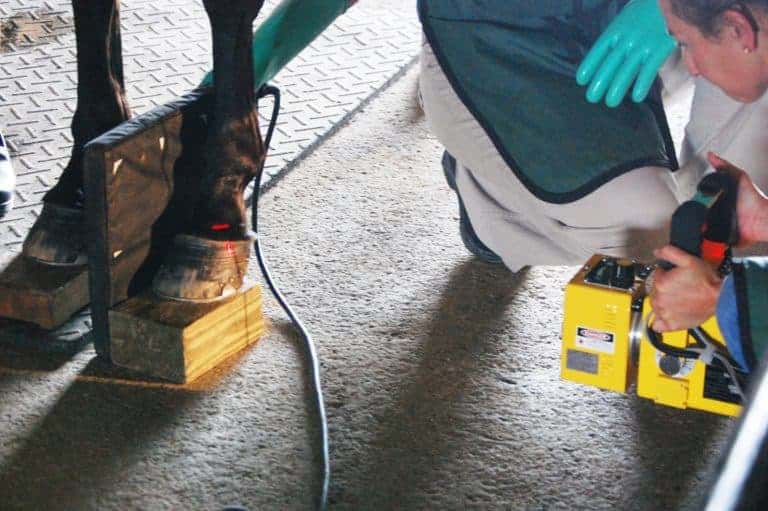
A podiatrist gives his tips for keeping a horse with chronic laminitis and equine metabolic syndrome comfortable.

A podiatrist gives his tips for keeping a horse with chronic laminitis and equine metabolic syndrome comfortable.

Horses with certain health conditions should skip sweet treats. Find out if your horse is one.

Find out how to recognize when a horse is at risk of developing EMS-related laminitis and what you can do to either prevent or manage it so he stays sound.

Scientists believe a new drug, methylated tirilazad, could be an option for treating laminitis in horses, noting additional research is needed.
Test your knowledge about the tricky world of PPID, EMS, ID, and more.
Learn about the causes and clinical signs of laminitis in horses, and what researchers say about how to manage and prevent it.

Find out how you can keep your metabolically efficient horse healthy when he’s laid up with an injury or chronic illness.

Are horses that develop sepsis-related, supporting-limb, or idiopathic laminitis at a higher risk of developing endocrinopathic laminitis down the road?

Learn how to assess your senior horse’s quality of life and know when it’s time to let go.

Research shows slight shifts in the horse’s intestinal microbiome can have far-reaching effects.

Learning to read a horse’s facial expressions and postures at rest and under saddle can help you become more sensitive to detecting pain in horses.

If you suspect your horse has a metabolic disease, timely and accurate diagnostic testing is essential to developing a management plan.

If your broodmare is overweight and/or has metabolic problems, her foal could be at risk. Here’s how you can keep both horses safe during pregnancy.

New methods might help veterinarians diagnose and treat the painful equine hoof disease laminitis more efficiently.

Blood insulin levels can warn of increased risk of laminitis in obese horses and ponies and spur owners to mitigate it.

Hyperinsulinemia-associated laminitis has become a great risk for the health and welfare of domestic horses. Although medications for this condition exist, they cannot replace good management.