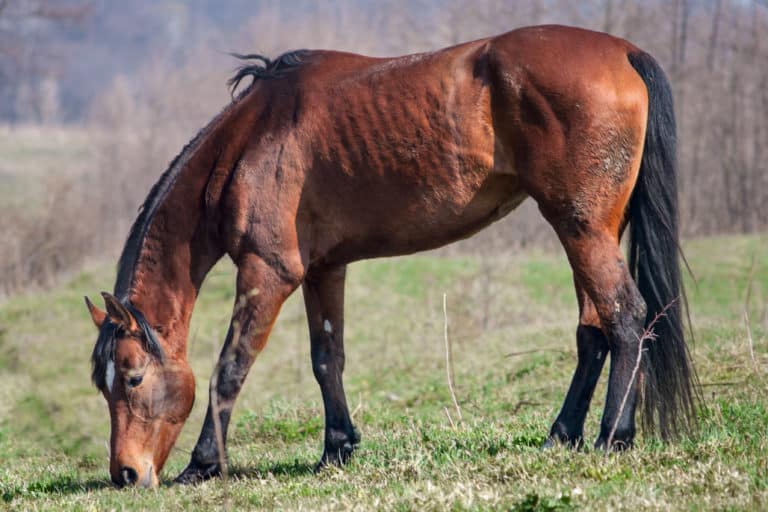
Horses, Anxiety, and Their Sense of Smell
Horses have a good sense of smell. Drs. Jenny Biehunko and Camie Heleski talk about how scents and pheromones might help calm horses, especially during travel.

Horses have a good sense of smell. Drs. Jenny Biehunko and Camie Heleski talk about how scents and pheromones might help calm horses, especially during travel.

From learning theory and counterconditioning to supplements and pharmaceutical options, we’ll take a look at ways to safely help nervous, high-strung, and energetic horses relax. Sponsored by Confidence EQ by Bimeda.

Dr. Laurie Lawrence, from the University of Kentucky, describes ways to make sure your older horse is getting enough forage.

Dr. Stephen Duren shares information about alfalfa’s calorie density and recommends how and when to feed it.

Dr. Stephen Duren outlines the best forage for free feeding horses with insulin resistance that might be susceptible to laminitis.

University of Kentucky researcher Dr. Peter Timoney talks about the deadly African horse sickness and what it will take to prevent its arrival in unaffected countries.
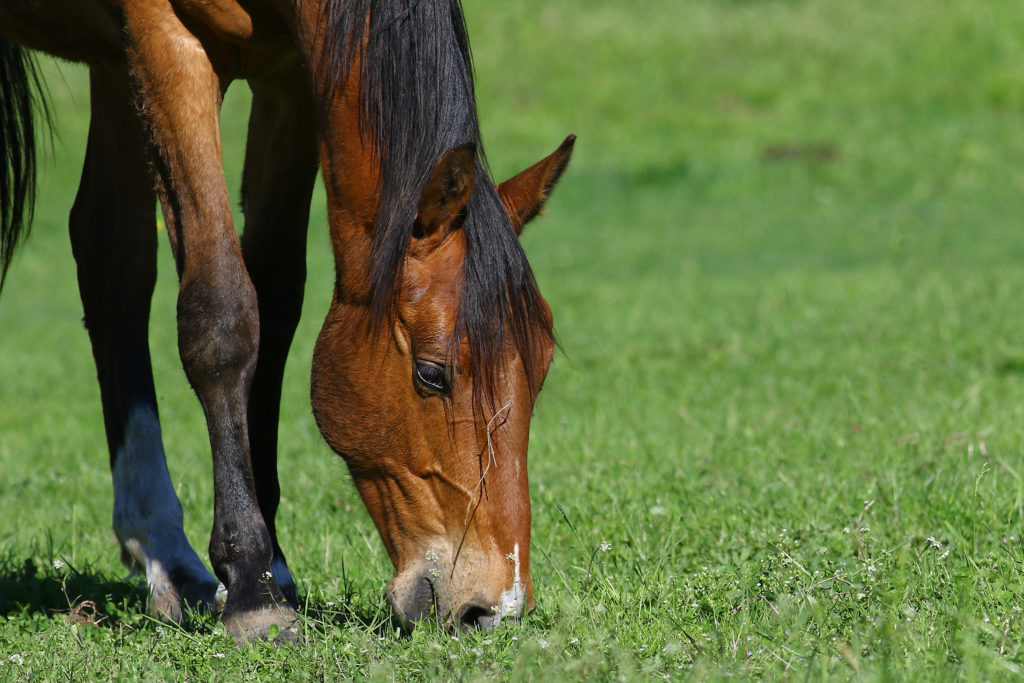
We often hear that forage is the most important part of the equine diet. But what exactly counts as “forage”? Dr. Stephen Duren of Performance Horse Nutrition explains.

Equine nutritionists and veterinarians agree: Forage should be the cornerstone of the equine diet. Our experts answered your questions about hay, beet pulp, alfalfa, pellets, and more. Discover what they had to say! Sponsored by Standlee Premium Western Forage.

Vitamin E and selenium are often packaged and marketed together in supplements. Find out why from researcher Dr. Carrie Finno of the University of California, Davis.

What is the best way to test for vitamin E deficiency, and how often should you test your horse? Dr. Carrie Finno of the University of California, Davis, offers advice.
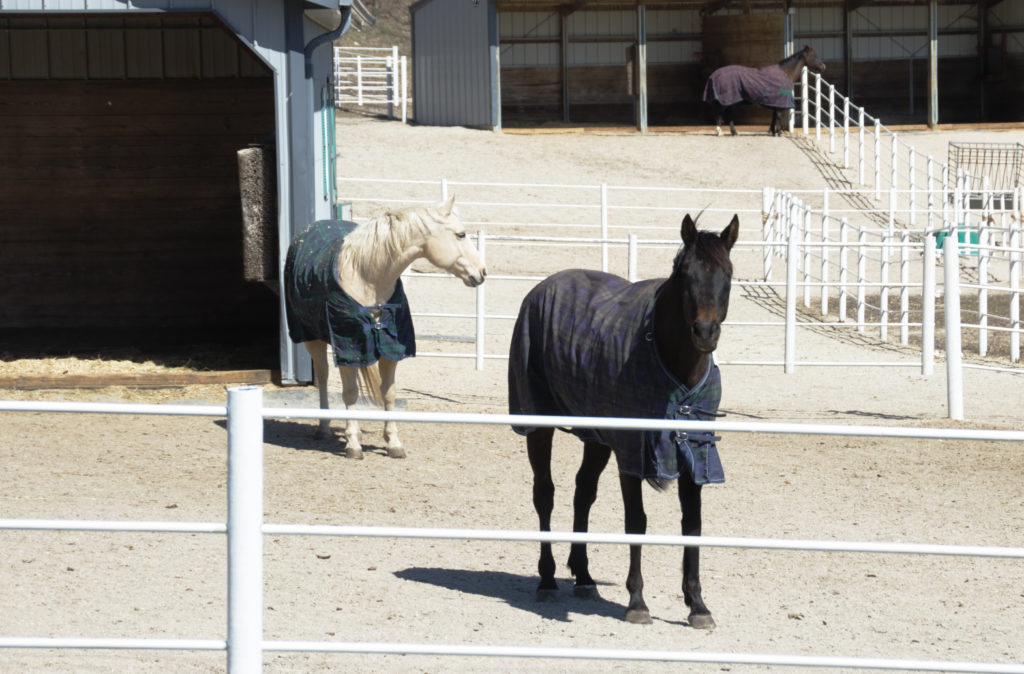
Your horse might not be getting enough vitamin E and not show any obvious signs. Or, he could have severe disease. Dr. Carrie Finno explains.
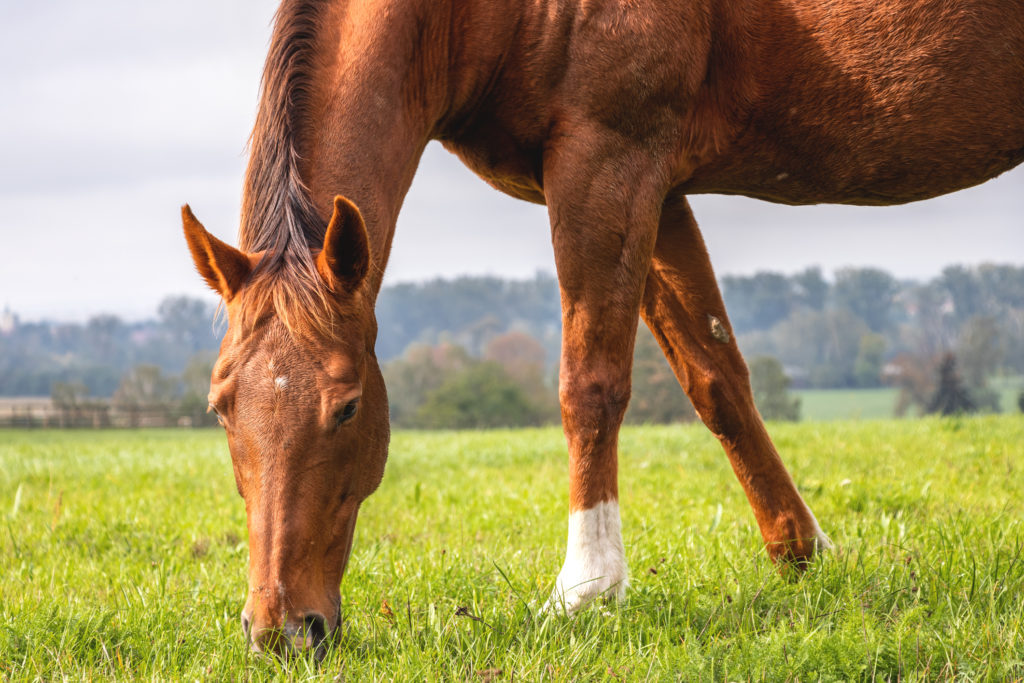
Researcher Dr. Carrie Finno of the University of California, Davis, explains the important role vitamin E plays in neuromuscular and reproductive health for horses.

Few horses are lucky enough to have constant, year-round access to fresh, green grass, which provides the best natural source of vitamin E. This powerful antioxidant supports muscle and nerve health. Is your horse getting enough? Learn about horses’ vitamin E requirements and how to prevent deficiencies during this live event. Sponsored by Kentucky Performance Products.
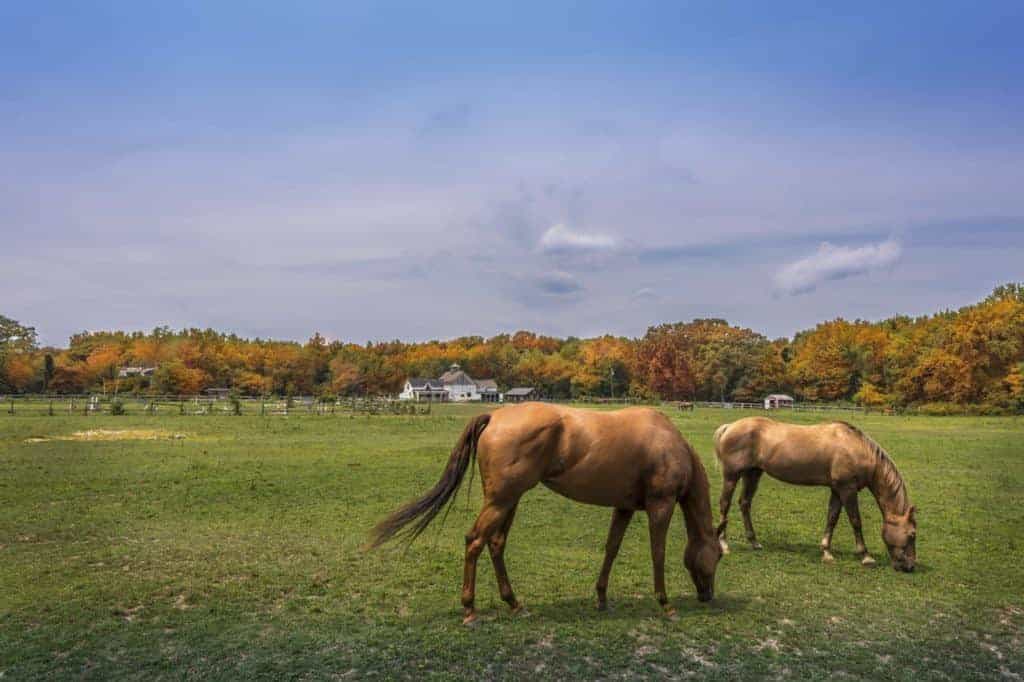
Without a doubt, horses are hard on pastures. Equine forage researcher Krishona Martinson, PhD, MS, of the University of Minnesota, offers tips on helping an overgrazed pasture recover.

Drs. Susan White and Ann Rashmir offer insight on which allergy test is best and their role in managing itchy horses.

University of Kentucky researcher and equine industry economist Dr. Jill Stowe gives a glimpse of how COVID-19 is impacting the horse world and looks at the financial challenges that lie ahead.