Equine Protozoal Myeloencephalitis Update
Learn about the newest advances in testing for and treating EPM in horses, as well as long-term management strategies.

Learn about the newest advances in testing for and treating EPM in horses, as well as long-term management strategies.
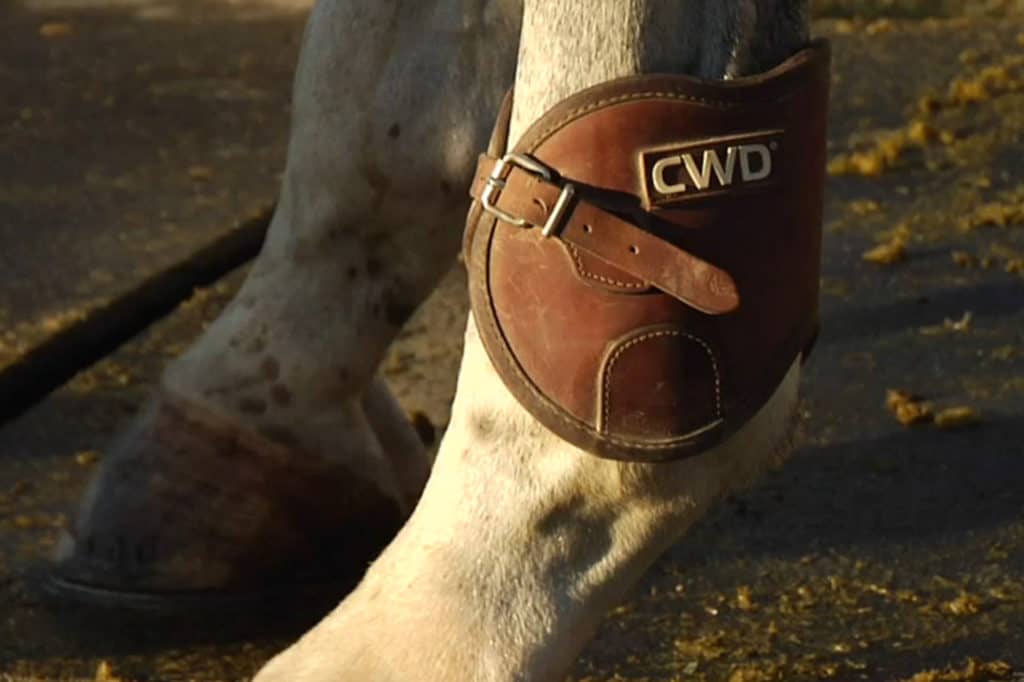
Get tips on choosing hind leg protection for your horse from Nicole Carroll of Walnut Creek, California.

Shock wave is a noninvasive, nonsurgical therapy for orthopedic conditions. Learn how it can help your horse.

Dr. Lauren Trager of Virginia Equine Imaging shares what it’s like to transition from veterinary school to an internship.
Dr. Abigail Velting of Virginia Equine Imaging in The Plains describes what internship means for equine veterinarians.

Ernest Bailey, PhD, a geneticist at University of Kentucky’s Gluck Equine Research Center in Lexington, shares updated information about inheritance in horses.
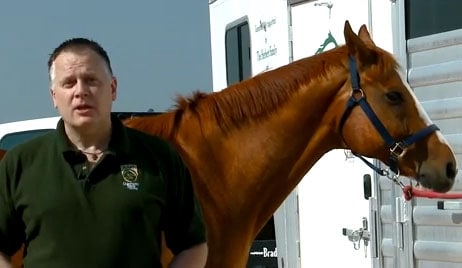
Find out how to protect your horse from infectious diseases when traveling to clinics, shows, and trail rides from Dr. Paul Morley, director of infection control at the Colorado State University Veterinary Teaching Hospital.

Greg Best describes “the perfect leg position” and the role of a rider’s knees as pivot points while jumping.

Nicole Carroll, who trains and teaches out of Leap of Faith Farms in Walnut Creek, Calif., explains how to space cavallettis for training purposes.

Equine surgeon Dr. Sarah le Jeune of the University of California, Davis, shares what every horse owner needs to know about colic.
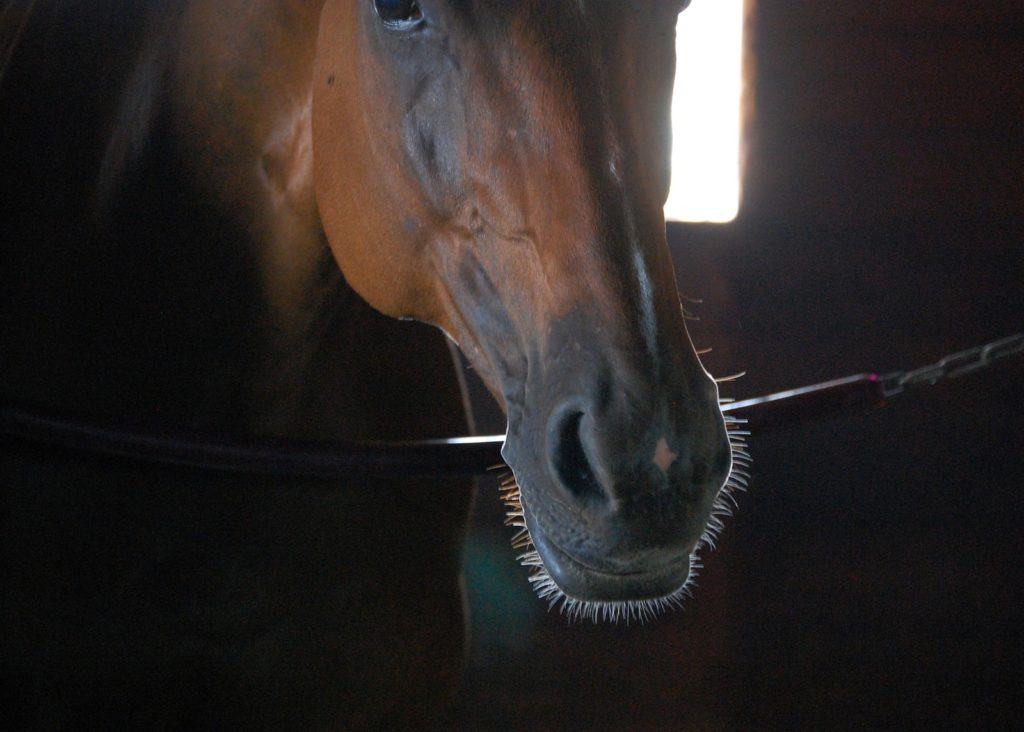
Airway remodeling occurs in horses with long-term, unresolved inflammation caused by recurrent airway obstruction (RAO), the disease commonly known as heaves. Is it possible to reverse this negative effect in horses?

Equine muscle expert Dr. Stephanie Valberg explains the differences between these two diseases that cause horses to tie up.

Clinician Buck Brannaman shares what you need to know about training your horse for a veterinary exam. It starts with who moves whose feet and getting a horse accurate on the end of a lead rope, Brannaman says.

Clinician Buck Brannaman and his horses travel 40-plus weeks of the year. Find out how he keeps them healthy.

Dr. Cynthia Gaskill of the University of Kentucky’s Veterinary Diagnostic Lab shares important things mare owners need to know about fescue toxicosis.

Three researchers from the University of Kentucky’s Gluck Center for Equine Research summarize topics of interest from the International Symposium on Equine Reproduction, held January 2014, in Hamilton, New Zealand.