Shock Wave Therapy
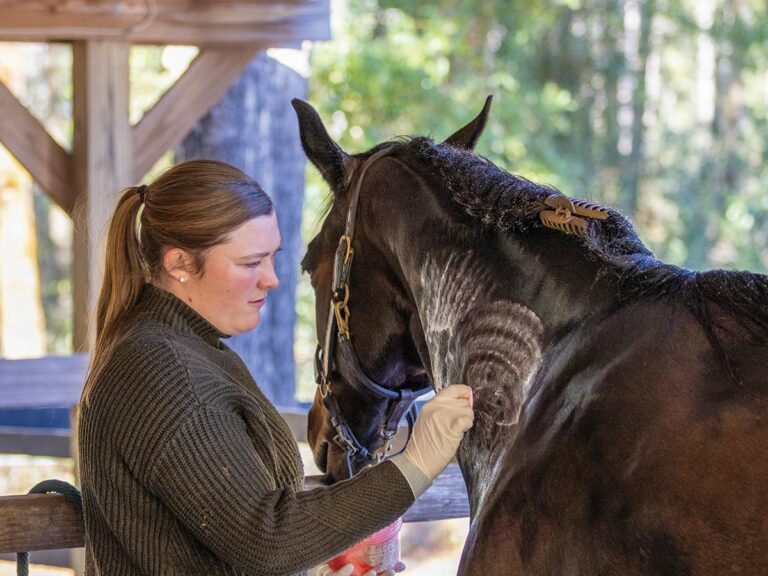
Dr. Scott McClure presents about shock wave therapy for horses, explaining what a shock wave is and how it can help horses.

Dr. Scott McClure presents about shock wave therapy for horses, explaining what a shock wave is and how it can help horses.

Alayne Blickle of Horses for Clean Water shares advice for saving money on farm equipment, such as tractors and drags.
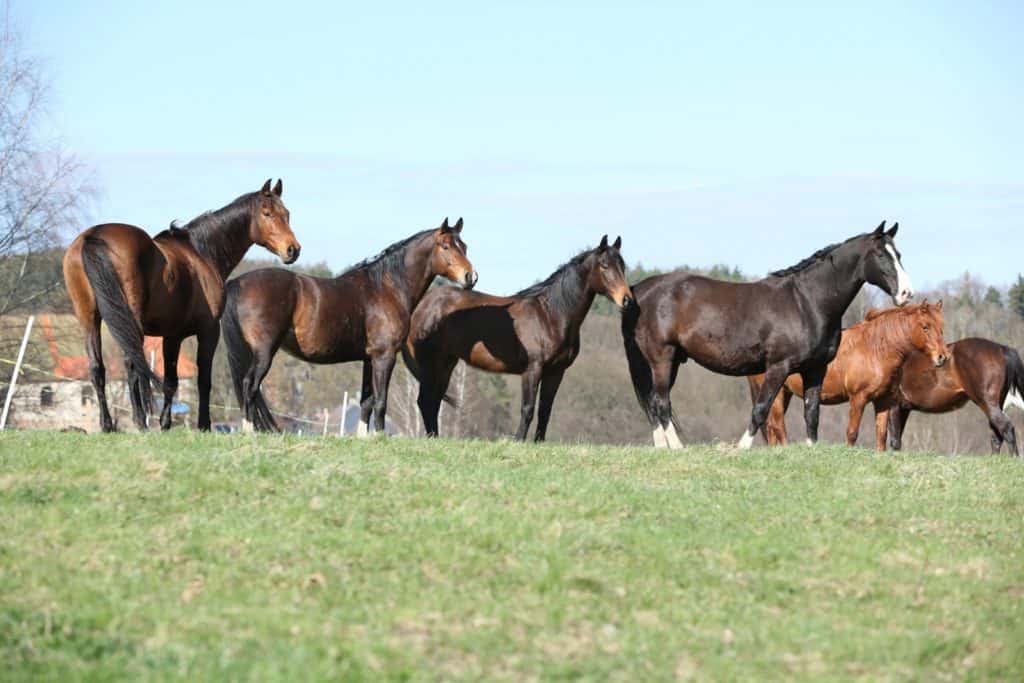
Dr. Tom Lenz shares information about the “unwanted” horse and changing perceptions of equine welfare.

Alayne Blickle of Horses for Clean Water describes the appropriate drylot size for one horse.

Dr. Rachel Buchholz explains the steps involved in having a standing MRI done on a horse.

Debbie Fuentes, senior director of customer service and registrar with the Arabian Horse Association in Aurora, Colorado, explains the purpose of equine breed registries and associations.

Dr. Rachel Buchholz describes different treatment and management options for horses diagnosed with kissing spines.

Over the years there’s been a trend toward declining average starts for racehorses. Dr. Horohov presents possible reasons why.
Dr. Rachel Buchholz explains what “kissing spines” is in horses and its clinical signs.

Find out how watching a horse move under saddle can help a veterinarian during a soundness or prepurchase exam.

Vets can evaluate a horse’s active and passive response during a flex test. Dr. Rachel Buchholz explains.

Dr. Udeni Balasuriya of the University of Kentucky’s Gluck Equine Research Center shares information about diagnosing equine herpesvirus-1 and interpreting test results.

Discover what flexing a joint can tell a veterinarian about a horse’s soundness.
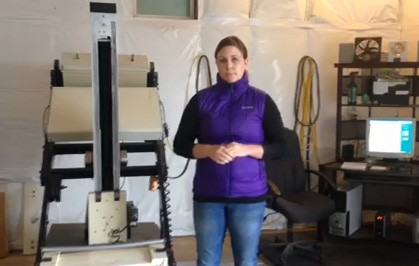
Dr. Rachel Buchholz explains how bone scans work and how veterinarians use them to diagnose unsoundness in horses.

Dr. Sharon Spier, U.C. Davis, Calif., explains horses’ vision; what a horse sees in a collected frame, equine night vision, how blind spots affect the approach to jumps, and much more!

Learn about what therapy choices to make, when to use them, and how much is necessary during treatment of the critically ill foal.