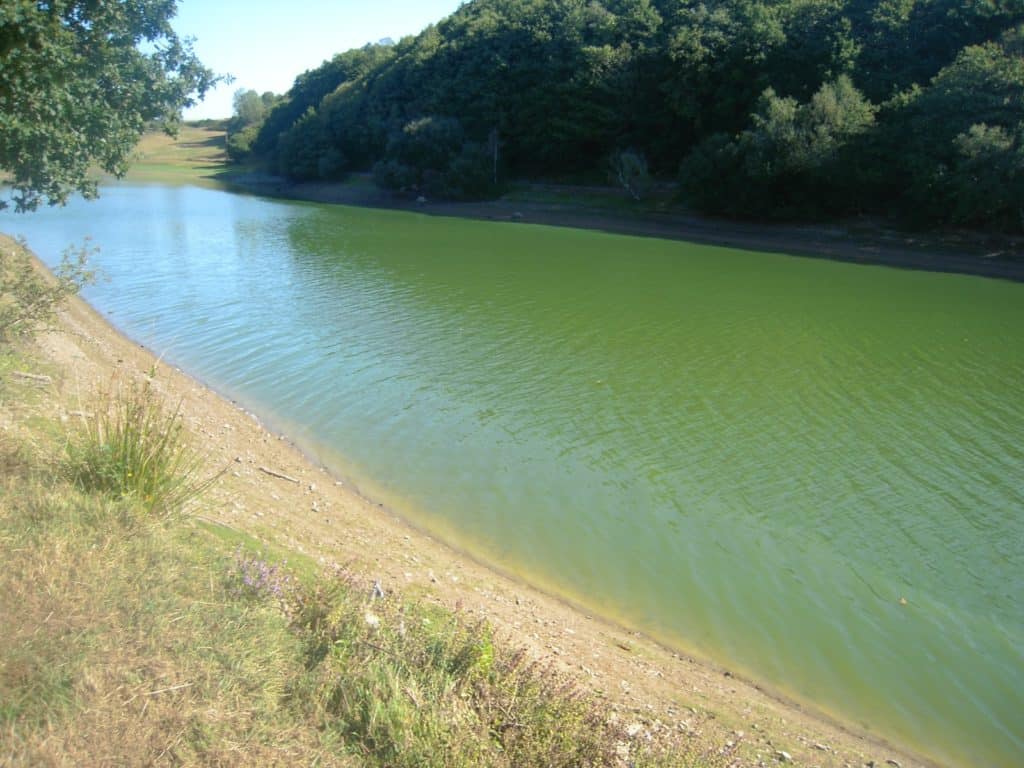
Algal Blooms Pose Danger to Livestock
Animals that consume water with some types of algal blooms can die suddenly or suffer from weakness, staggering, or photosensitization depending on the type of toxin and how much they ingested.

Animals that consume water with some types of algal blooms can die suddenly or suffer from weakness, staggering, or photosensitization depending on the type of toxin and how much they ingested.

Wild parsnip foliage can cause skin photosensitivity and rashes in both humans and horses.
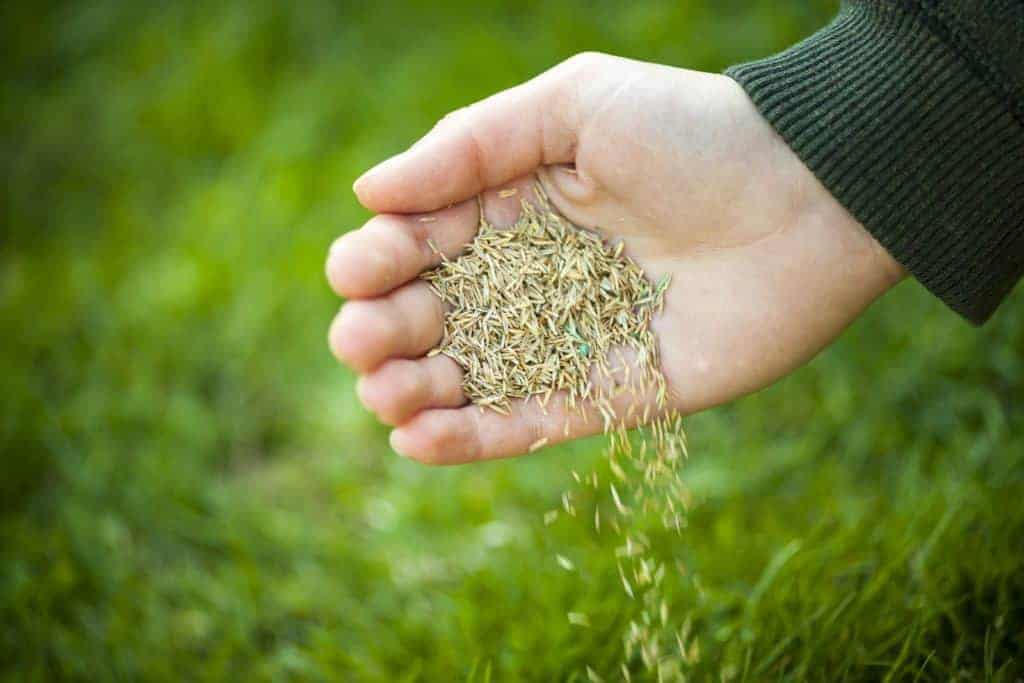
Overseeding horse pastures can help improve pasture production, forage quality, and ground cover. Here’s what to know.

Do all the supplements, concentrates, and forages on the market have you confused about what’s best to feed your horse? Learn what your horse really needs to eat from equine nutritionist and consultant, Dr. Clair Thunes.

Regulating body temperature becomes difficult for all horses when temperatures exceed 90 degrees, so avoid exercising them during very hot periods.

Horses and other animals rarely consume nimblewill, so the plant often persists in pastures.

Summer means hot, humid weather in many parts of the country. Learn what steps to take to ensure your horses stay cool and comfortable when temperatures rise.

The toxins that cause this potentially fatal neurologic disease could be lurking in your horse’s environment or hay. Learn how to recognize and prevent botulism with this visual guide.

Learn about caring for the health of adult show and recreational horses.

Fodder is plant material grown hydroponically and harvested as livestock feed. Find out if it’s a good forage source for horses as well.
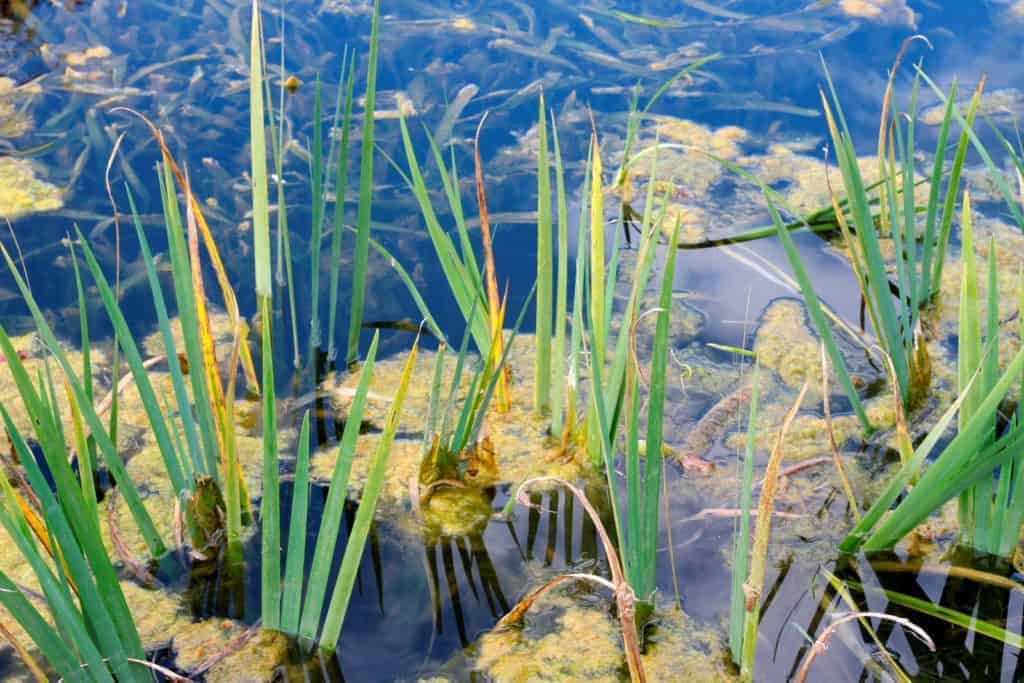
Many animals that ingest blue-green algae toxins die suddenly, but some can recover.

Now is the optimal time for Kentucky forage producers to cut hay to ensure they get good quality and yield.

These harmful toxins produced by molds and fungi could be lurking in your horse’s feed and forage.

Are you confused about equine nutrition? Learn how to feed your horse in our step-by-step visual guide.
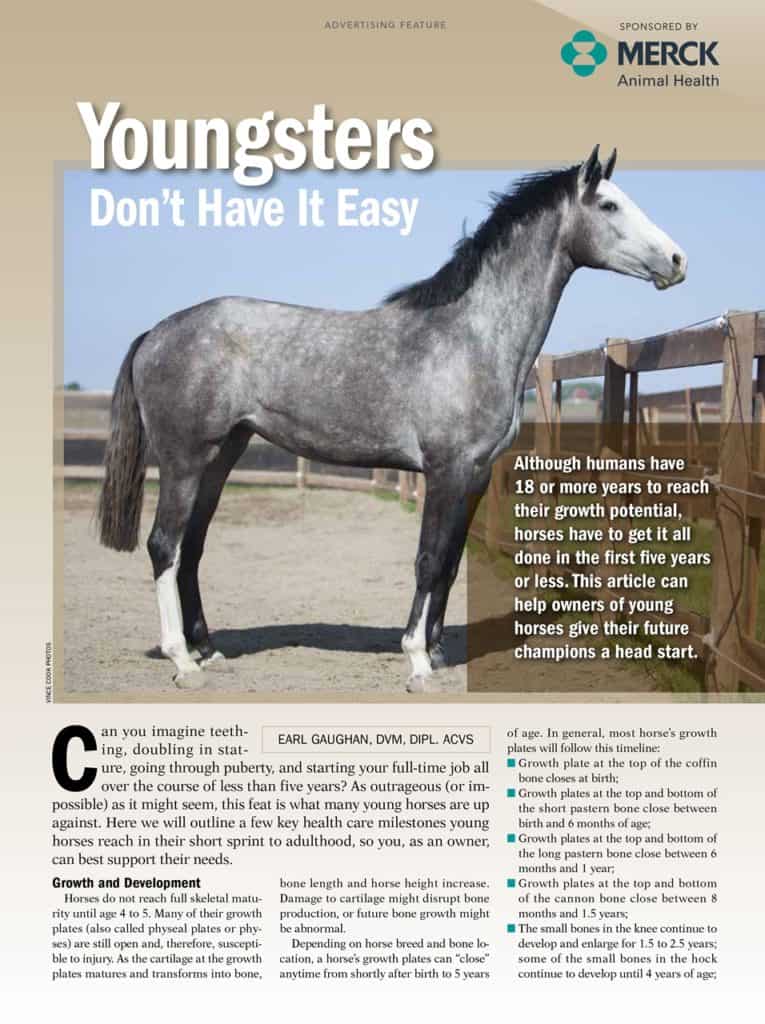
Give your youngster a strong start to a lifetime of health with information from this in-depth special report about horses age 1 to 3 years old. Learn about deworming, dental care, bone disease, hoof care, and more.

There are many issues to consider when you’re planning to transport your horse, especially if he’s moving to a hot and humid climate. Here’s what to to consider, from new feed options to a risk of hyperthermia.