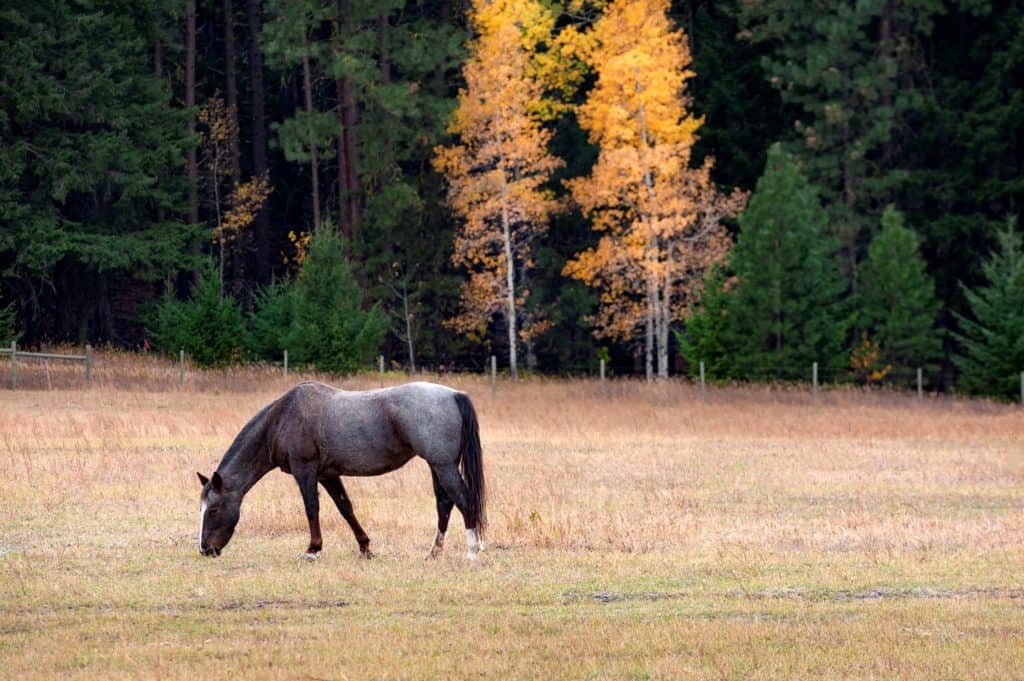
Fall Colic Prevention for Horses
Nutritionist Dr. Clair Thunes shares advice on how to reduce your horse’s risk of colicking this fall.

Nutritionist Dr. Clair Thunes shares advice on how to reduce your horse’s risk of colicking this fall.

Check off these 8 important tasks before the colder weather arrives.

Here’s how to monitor your horse for dehydration and help prevent it.

Host Stephanie Ruff talks with Michael Lindinger, PhD, about the importance of electrolyte balance in horses. Sponsored by Tribute Equine Nutrition.
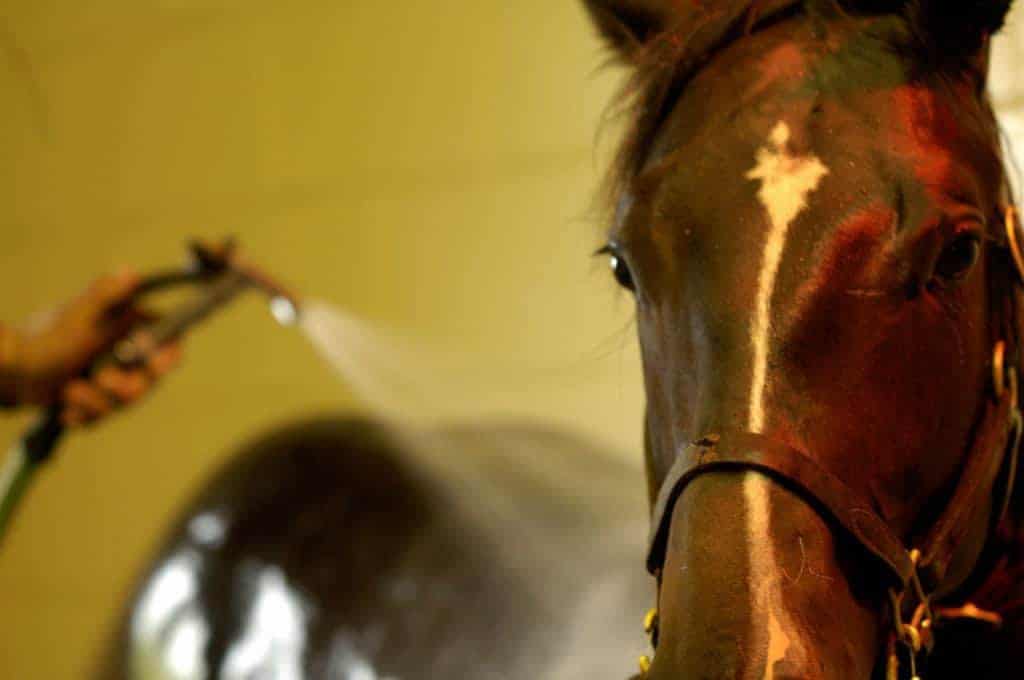
Learn how horses maintain their body temperature and how to respond when heat puts those systems under strain in this article from The Horse’s Summer 2026 issue.
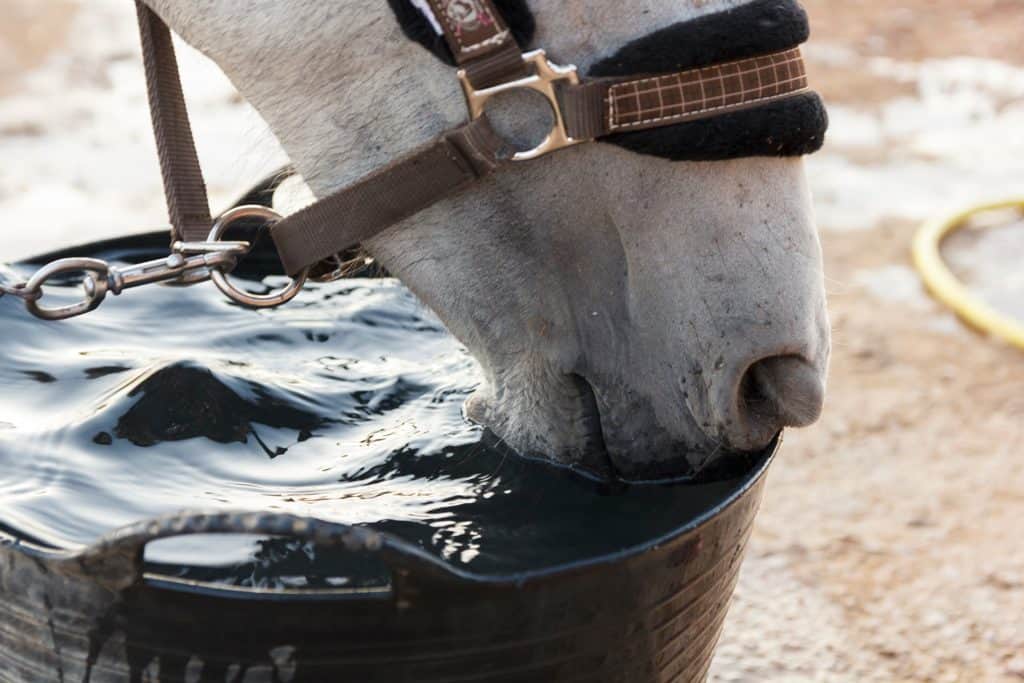
A reader’s horse that doesn’t like to drink when traveling recently tied up at an event. A nutritionist offers advice to get the horse to hydrate in the future.
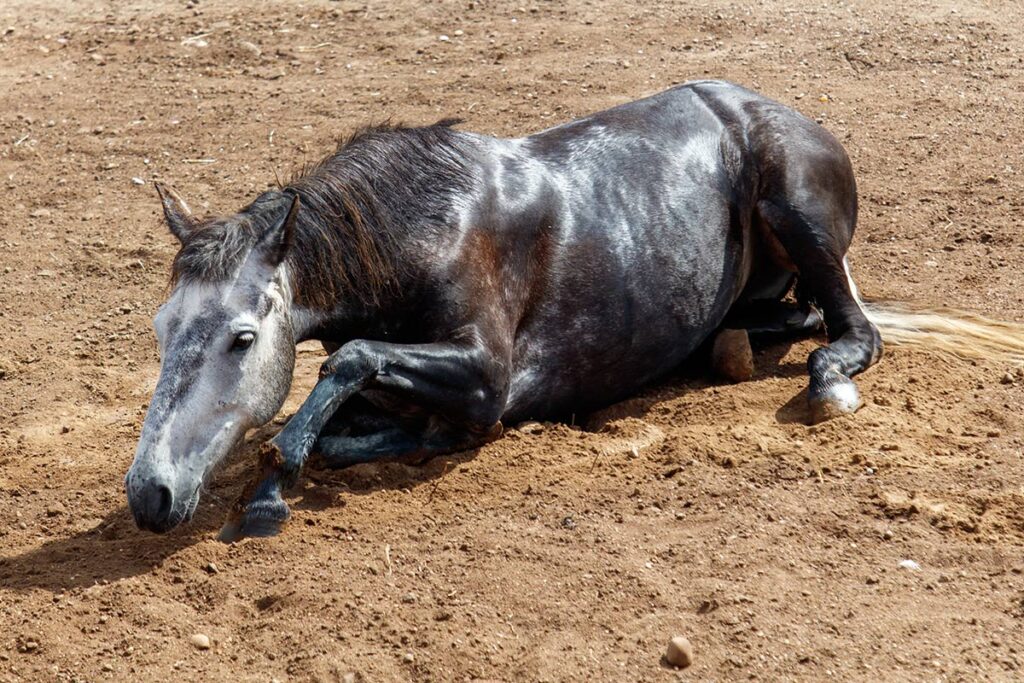
What causes equine colic and what steps can you take to prevent it?

If your horse struggles to keep weight on in summer, here’s how to safely increase his calories.
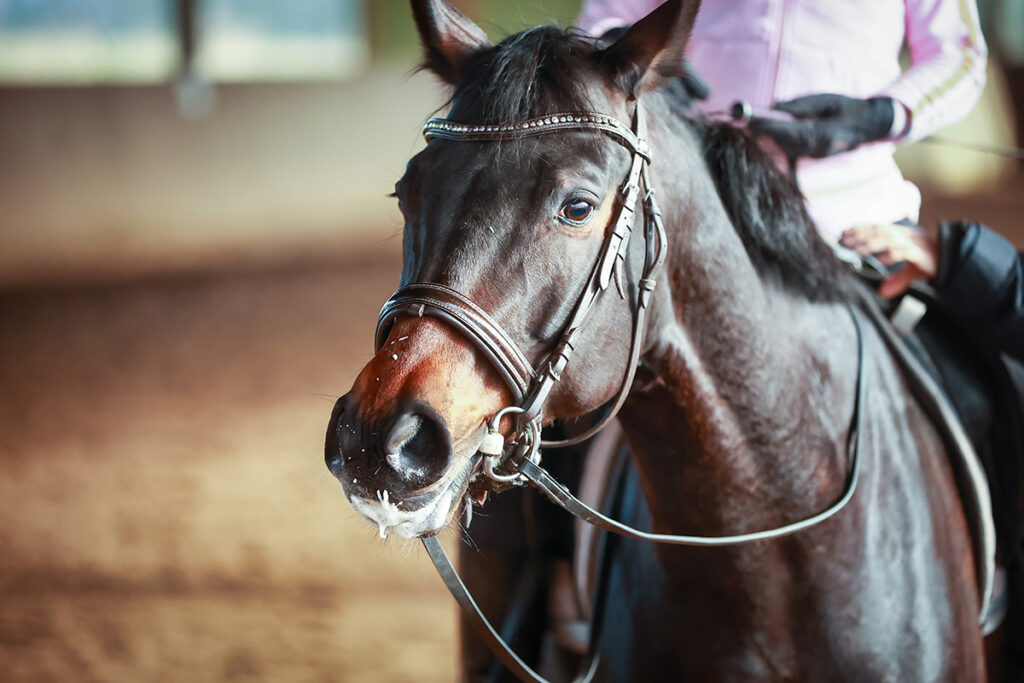
Electrolyte loss through sweat can lead to dehydration, fatigue, and poor recovery. Here’s how to support your horse’s health during work and warm weather.
Keeping competition horses well hydrated isn’t always easy. An equine nutritionist offers tips to help prevent dehydration.

Restoring muscle glycogen, rehydrating, and ensuring a horse’s diet offers enough vitamin E all help with recovery after strenuous exercise.

How veterinarians navigate 4 common scenarios, from dehydration to the postpartum period, that increase colic risk.

Horses on all-day pasture have more opportunities than stalled horses to meet their behavioral needs. Here’s what you need to consider.
Just because your horse has access to water does not guarantee he’s drinking enough. Learn more about how to keep horses hydrated.

Don’t wait for the first snowflakes to prepare your horse property for the cold, dark, and wet months ahead.

These horsekeeping tips can help keep your farm running smoothly and horses healthy when winter weather arrives.