How Can I Change My Horse’s Hay Safely?
An equine nutritionist explains the best way to switch your horse to a new hay and what to do if you have limited hay storage.

An equine nutritionist explains the best way to switch your horse to a new hay and what to do if you have limited hay storage.
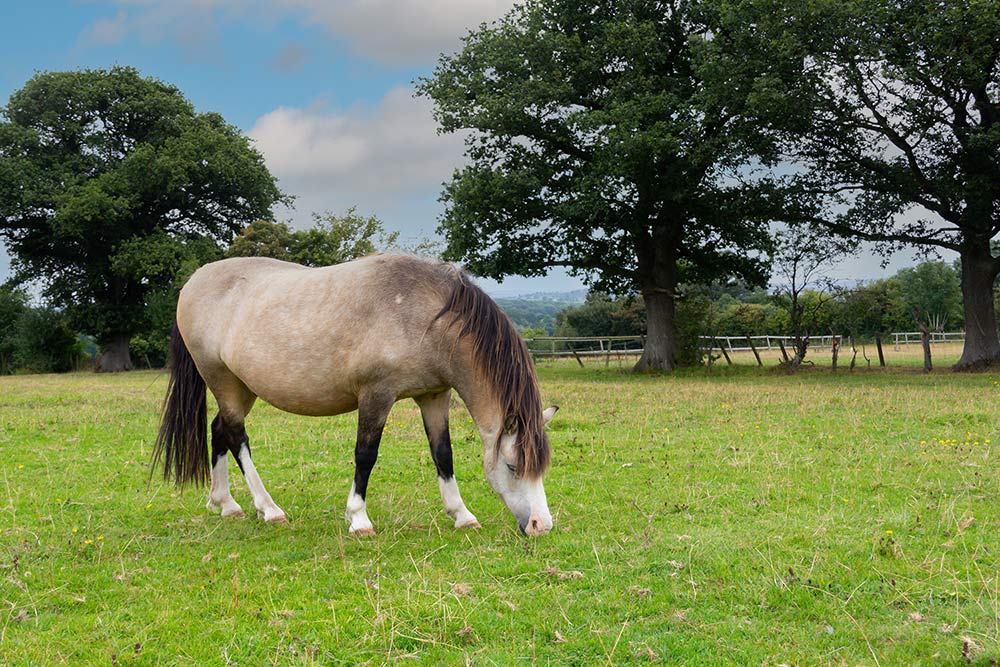
Learn tips and tricks for navigating the difficulties of managing overweight horses.

An equine nutritionist offers alternatives to soaking hay for horses that live in subfreezing climates during winter.

Check off these 8 important tasks before the colder weather arrives.

An equine nutritionist explains how a broodmare’s nutritional needs change during her pregnancy.

When switching your horse to a forage-focused diet, first obtain a hay analysis and choose a ration balancer that fills the nutritional gaps.

An equine nutritionist explains why senior feeds are high in fiber and why that’s good for your older horses.

Get advice on encouraging a hard-keeper to eat more. The first step? Rule out health problems.

When can you safely feed freshly baled hay? Find out how curing and harvest timing can affect hay safety for metabolic horses.

Foxtail awns can cause painful oral ulcers in horses. Learn about the signs and how to manage pastures to reduce risk.

Horses evolved to eat frequent, small roughage meals, so why do we only feed them twice daily?

Follow these expert tips to correct common feeding mistakes and improve your horse’s gut health and overall well-being.

Find out what causes watery feces in horses and whether you should be concerned.

Learn about 5 key physical indicators of forage quality and how to gather a hay sample and interpret a chemical analysis.

An equine nutritionist shares how to calculate your horse’s annual hay intake and how to reduce hay waste to help stretch your budget.

Nutritional evaluations can help you determine whether your horse is consuming a balanced diet.