Customizing Senior Horse Diets
Appropriate forage, forage alternatives, and/or concentrates can keep aged horses at a healthy body condition.

Appropriate forage, forage alternatives, and/or concentrates can keep aged horses at a healthy body condition.
Lots of rain means lots of grass. Keep your horse healthy and from overgrazing with these tips.
Lower yields are due to a variety of reasons and depend on the type of hay produced and the producer’s loc
The field day will take place June 5, 2012, from 4-8 p.m. CDT at Darling 888 Ranch, located in Princeton, Ky.
UK’s Ag Equine Programs will host an Equine Farm and Facilities Expo Thursday, May 31, 2012, from 4-8 p.m. EDT
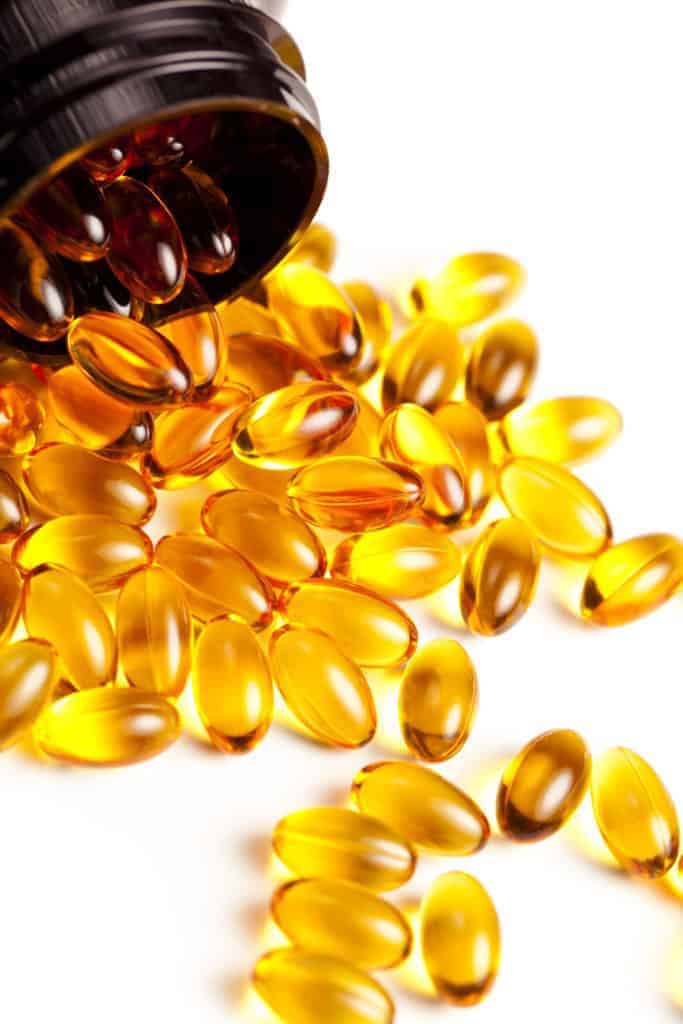
Selenium and vitamin E work together to alleviate muscle damage and signs of tying up in horses.
Eighteen cases identified in France, four in Great Britain, and one in New Zealand.

Researchers found that some horses with inflammatory small bowel disease could have a gluten intolerance.
Topics to be discussed include daily operation evaluations, pasture management, and manure management.

An effective electrolyte supplement replaces ion and water loss during exercise, one researcher said.

“A moderate intake of NSC (30% of total DE) is perfectly fine for non-obese normal horses,” Pagan concluded.
In Kentucky and surrounding states, winter has been abnormally mild; pastures will likely “green up” earlier.
The mild winter weather and excellent soil moisture have resulted in rapid growth of many cool-season weeds

Researchers recently determined which forage-based diet is healthiest for both the horse and the environment.

If a horse eats an adequate diet there might be no need for supplementation without a specific deficiency.
Overfeeding these horses can cause them more harm than good. The best initial feed is often good-quality hay.