Drought Damage Dangers: Nitrates and Mycotoxins
Horse owners might be concerned about the potential for an unsafe feed supply this year due to the drought.

Horse owners might be concerned about the potential for an unsafe feed supply this year due to the drought.

When horses were not given a choice of forage, teff hay intake was no different than timothy hay intake.
Rotational grazing allows horses to graze one section of pasture while other sections recover.
Forage analysis and judicial use of concentrates and supplements can help you get the most bang for your buck
Recent study results suggest that forage-only diets could hold benefits for performance horses.
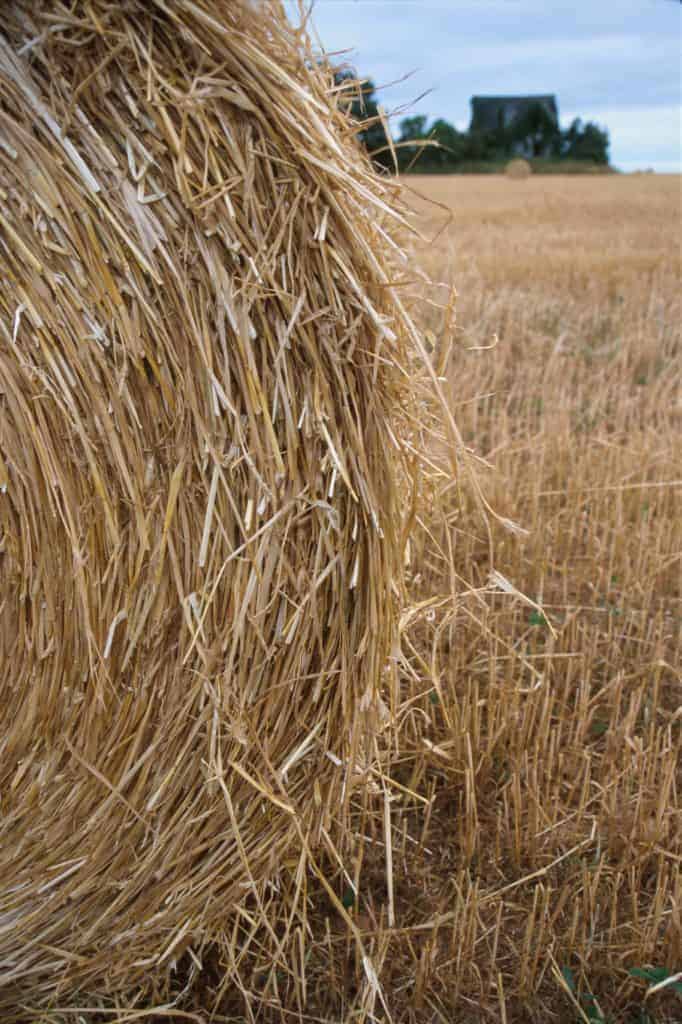
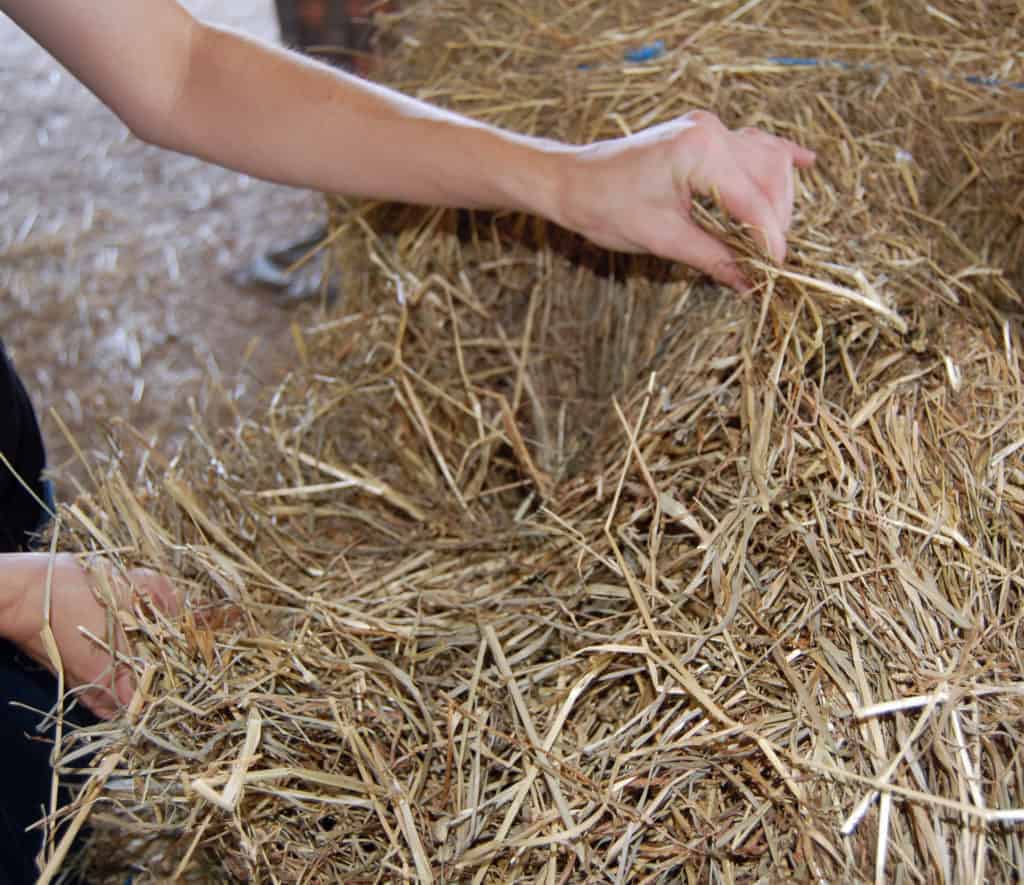
With no end to the drought and heat in sight, owners might have to rethink what they feed their horses.
Nitrate accumulation in forages is a real concern this season due to current drought conditions.

Johnsongrass is a coarse-textured perennial grass that grows well in pastures, gardens, fields, and roadsides.

Many horse owners are contemplating hay and feed availability with the persistent heat and ongoing drought.
Penn State Extension has announced the dates and times of a four-part equine environmental stewardship course.
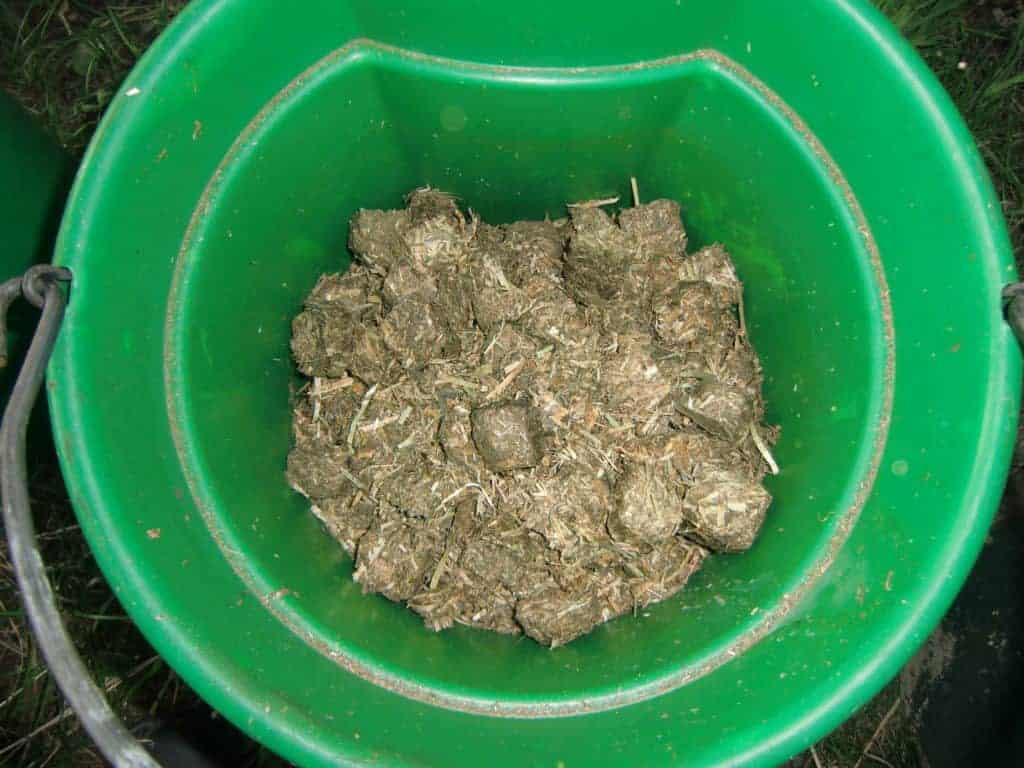
Forage-based total mixed rations (TMRs) can offer an economical and effective horse feed option.
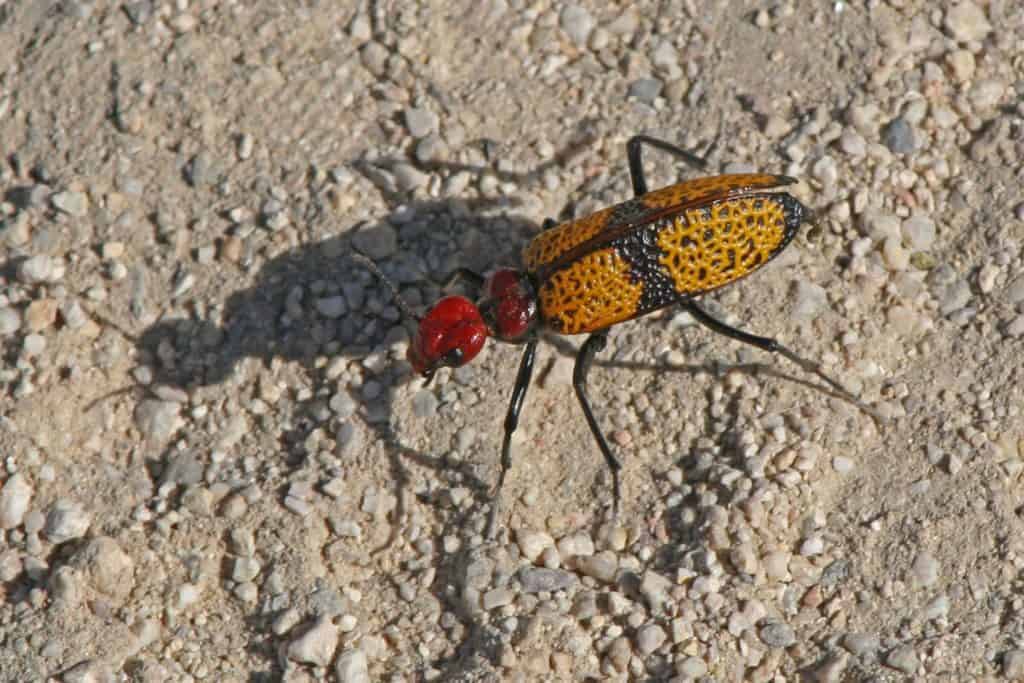
Reports indicate a higher than usual number of blister beetles, which are toxic to horses, in some areas.
The weed control lecture, hosted by the University of Maryland, will take place July 19.
Take stock of their pastures and consider other management options, such as providing horses with hay.
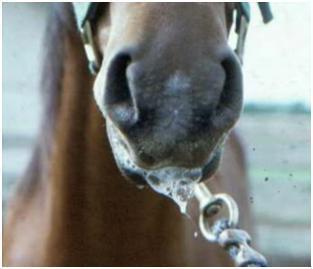
Mycotoxin exposure in horses, caused by feed contaminated with fungi, can be dangerous or fatal.
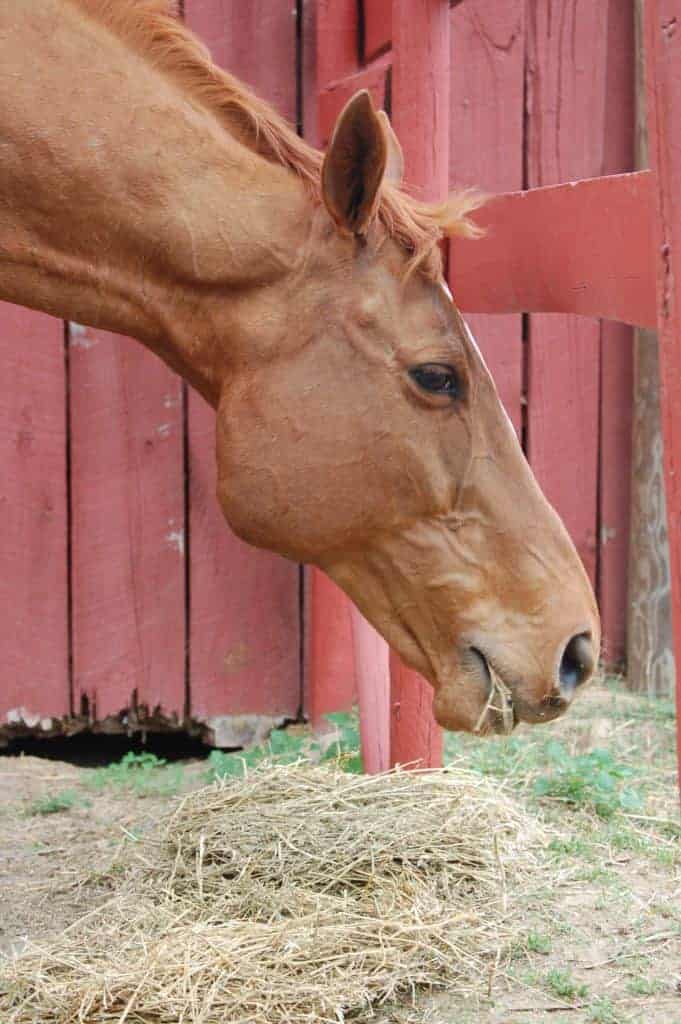
Nutritional choices can either help or hinder a horse’s health problems, diseases, or ailments.