Could Endophyte-Infected Fescue Cause Lameness in Horses?
Researchers observed noticeable lameness in horses consuming high levels of endophyte-infected seeds and hay.

Researchers observed noticeable lameness in horses consuming high levels of endophyte-infected seeds and hay.

Horses showed a clear preference for alfalfa compared to the other types of hay offered.
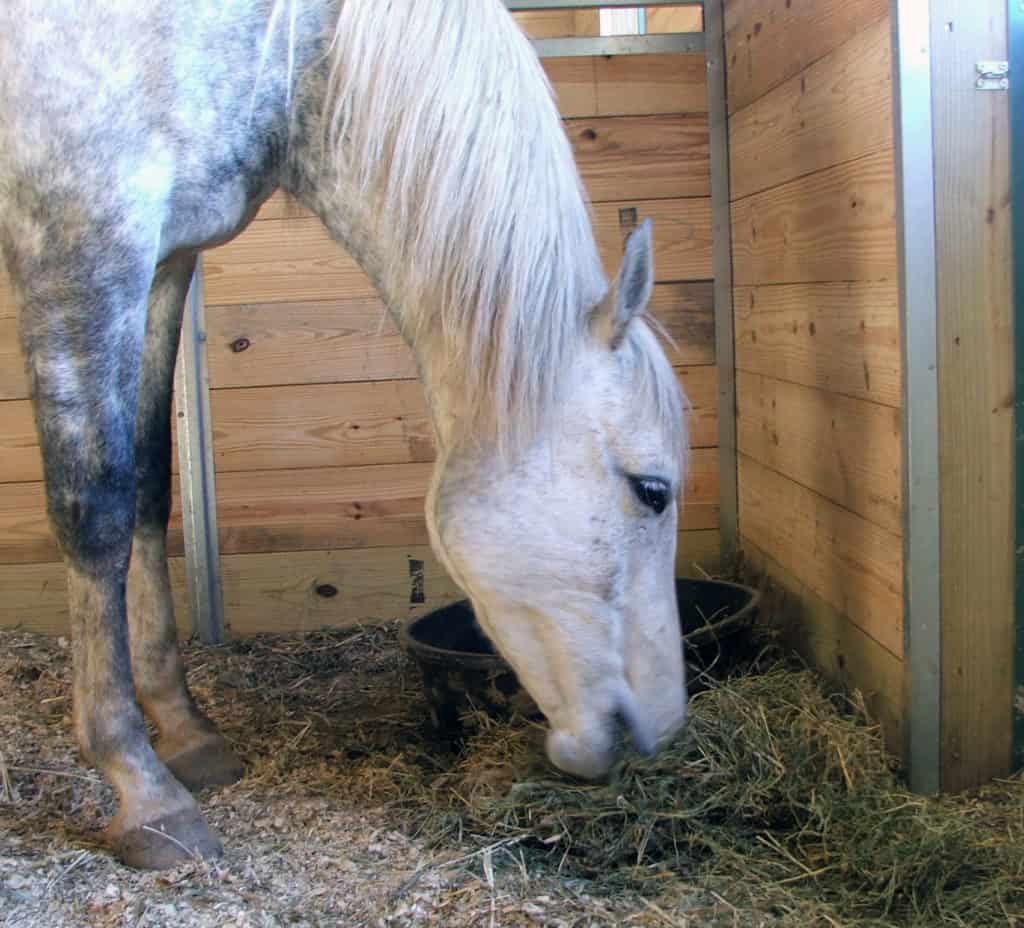
Forage-only diets provide horses with more physically effective fiber than hay-and-concentrate diets.

Restricted pasture access does not have negative effects on hindgut fermentation or fluid balance.
Hestad studied how endophyte-infected tall fescue seed ingestion would affect nonpregnant mares.

No significant fecal pH decrease occurred, but it’s important to change equine feed gradually, researchers say.

A recent study shows that antioxidant levels appear to be challenged during the competition.
The grazing school will take place on Sept. 22 and will cover a variety of pasture and forage related topics.
We intend to bring our mare home where most of the pasture was our lawn. We’ve never used chemicals but I am n
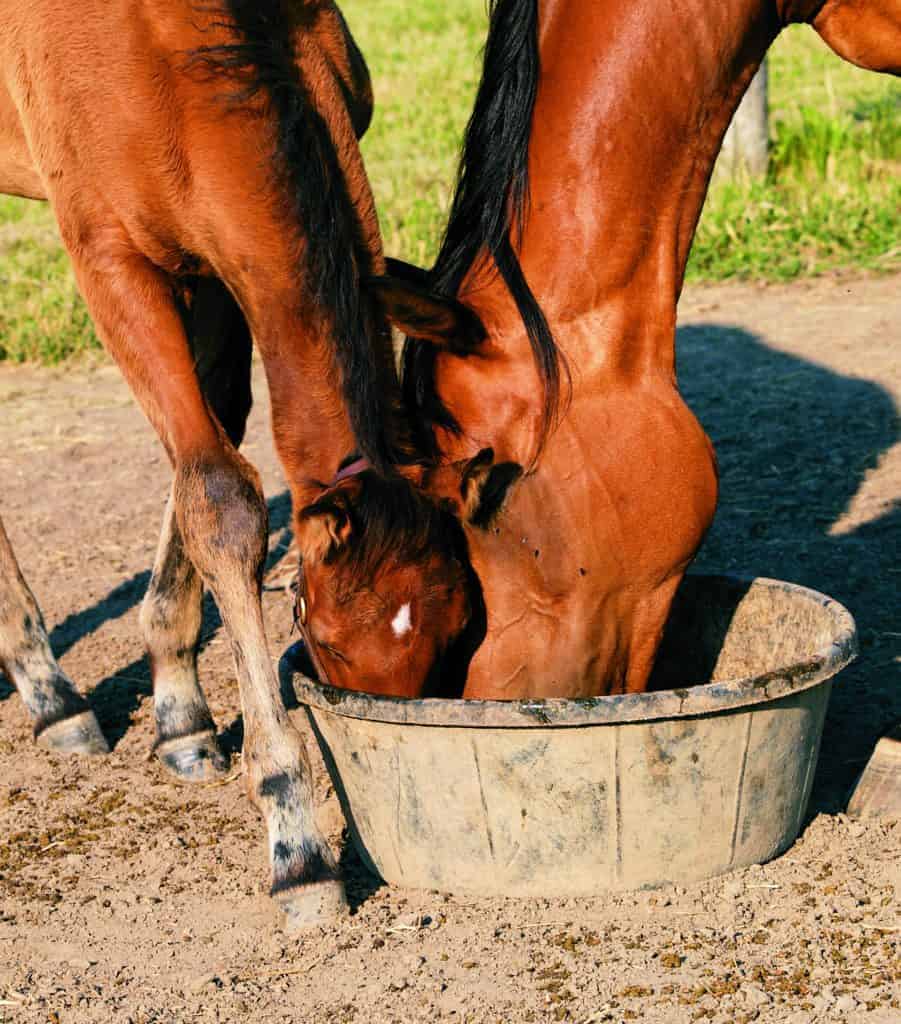
Understanding broodmares’ nutrient requirements can make developing a feeding program a less daunting task.

Here are some practical steps that can be taken on cool-season grass pastures to help them recover for fall.

Mild neurotoxicity to horses was reported in Europe but is not considered a serious threat in North America.
While fall armyworm is a pest of cattle and horse pastures, it should not affect horses.
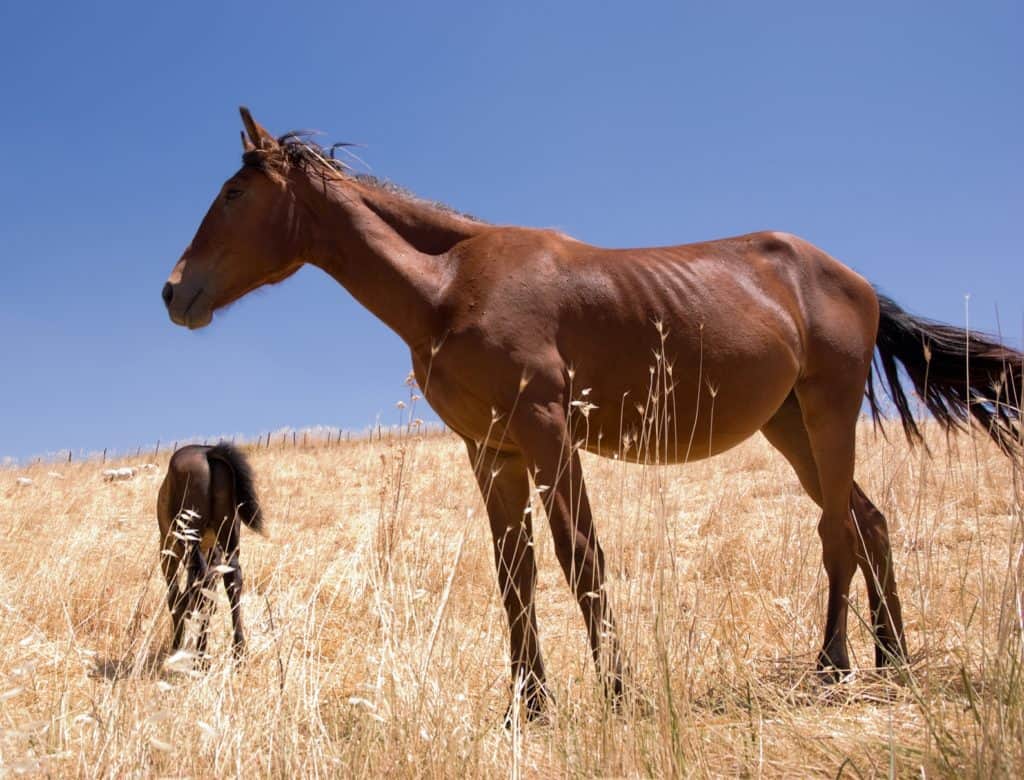
UC Davis researchers found that high-quality alfalfa hay is most effective for rehabilitating a starved horse.
The ideal time to reseed depends on the type of forage a producer selects.
Many grazing strategies will be discussed during a two-day grazing school at the Lake City Research Center.