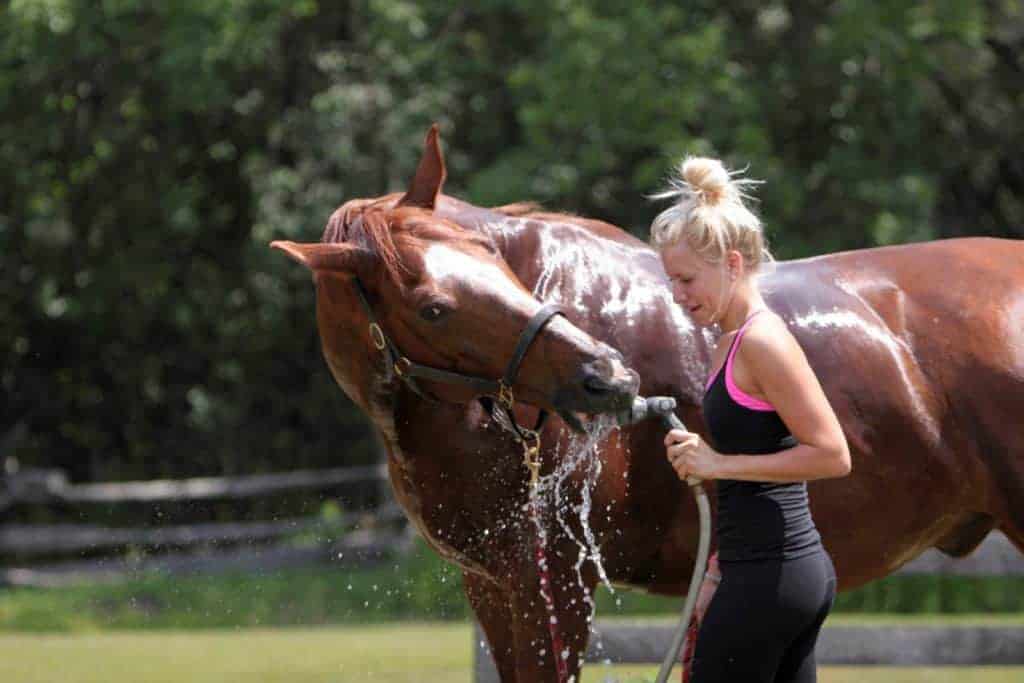
Help Your Horse Beat the Heat
As tough as steamy summers can be on humans, they can be even harder on horses. Two veterinarians share tips on how to help your horse beat the heat this summer.

As tough as steamy summers can be on humans, they can be even harder on horses. Two veterinarians share tips on how to help your horse beat the heat this summer.

How do you choose between plain white salt blocks, red mineralized blocks, and rock salt on ropes? One nutritionist offers advice on adding salt in your horse’s diet
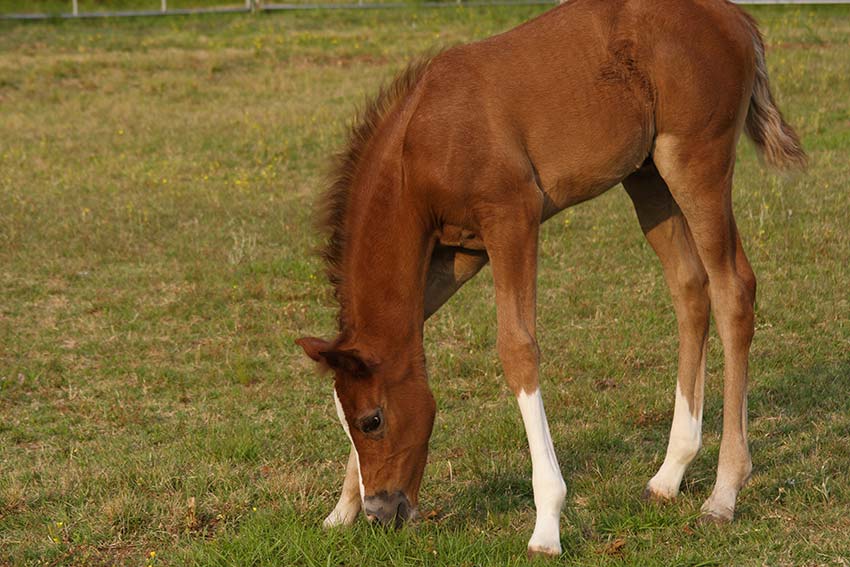
Learn about the delicate balance between two key minerals in horses’ diets.

A well-planned feeding program helps a foal’s caretakers manage growth rate effectively. Learn about common foal-feeding challenges and solutions, as well as how to develop a well-balanced feeding program for young, growing horses.

Veterinarians could soon determine which horses are at risk of certain neurologic diseases through a simple urine test that reveals how a horse breaks down vitamin E.

A dappled coat might be a sign of optimum equine health and nutrition, but the reality is more complicated. One equine nutritionist offers advice on bringing out the bloom in your horse’s coat.

Our nutritionist helps resolve a debate between friends about whether a horse with poor hoof quality would benefit from a hoof supplement or a properly portioned ration balancer.

An equine nutritionist addresses the different types of salt available and how to pick the right one.

Dietary deficiency of vitamin E can lead to three specific neurologic and muscular diseases. Find out if your horse is getting enough.

An equine nutritionist explains the difference between international units (IU) and milligrams (mg) and how to make sure your horse is getting enough vitamin E.

Does your horse need a dollop, dab, pinch, or peck? Learn to formulate a diet based on your horse’s age, body condition, and health status.

Their names might sound the same, but their molecular makeups are different. Are organic or inorganic forms of trace and macrominerals better for horses?

If you live at northern latitudes, you might lack vitamin D. But what about your horse?

Though they make up only a tiny part of horses’ diets, micronutrients play big roles in major physiological functions, ranging from bone and muscle performance to digestion to hormone signaling.

Vitamin E serves as one of the body’s most potent antioxidants, protecting various cells—including those of the immune system—from the harmful effects of free radicals.

Copper is involved energy production, iron metabolism, connective tissue formation, central nervous system function, and melanin production. Is your horse getting enough? If you only feed forage, probably not.