What’s So Special About Lysine?
A nutritionist explains why horses need this amino acid in their diets and what happens if they don’t consume enough.

A nutritionist explains why horses need this amino acid in their diets and what happens if they don’t consume enough.

A horse owner doesn’t think her horse needs the manufacturer’s daily recommended serving of performance feed. Our equine nutritionist recommends a balanced approach to avoid nutritional deficiencies.

Confused about your horse’s diet? We’re here to help. Here’s how to craft the proper hay and grain ration.

Selenium is required in very small amounts in the equine diet, but it has an important role in maintaining horse health.

Blood testing provides a clearer picture of potential cobalt misuse.

While copper, zinc, iron, and selenium get a lot of attention in equine diets, manganese, iodine, and cobalt are also important for horse health.

One researcher saw bone changes in racehorses in training who received a supplement containing marine-derived minerals.

Learn about this important piece of the equine nutrition puzzle. Is your horse getting enough?
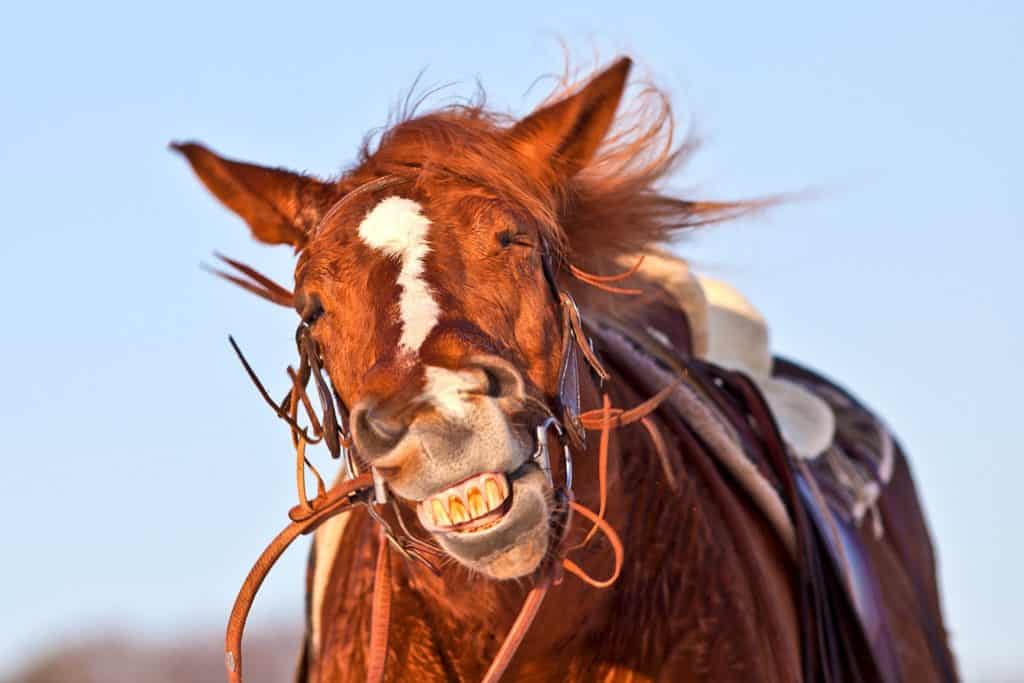
Some severe headshaking cases that are resistant to existing treatments and can significantly compromise a horse’s quality of life. But researchers have recently determined that a supplementation regimen could help.

Dr. Clair Thunes shares information about how blood tests can help ensure your horse is getting the nutrition he needs.
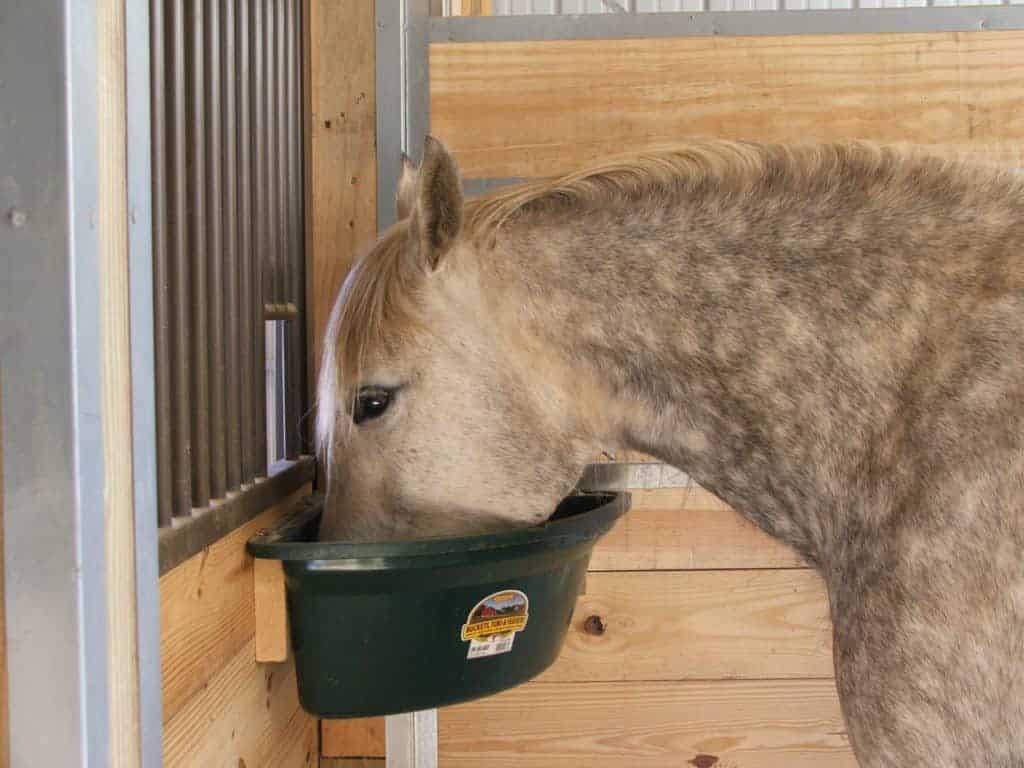
Oxidation is a normal process a horse’s body uses to transform nutrients such as carbohydrates, fats, and proteins into energy, but it also results in oxidative damage. Fortunately, antioxidants can help. Here’s what you need to know about the important damage fighters.

Sweat contains electrolytes (including sodium and chloride), so heavily exercising horses have significantly higher dietary requirements for both minerals than their idle counterparts. Here’s what to know.

Does your horse’s drinking water have high iron levels? If so, he might be at risk for chronic illness or even death, researchers found.
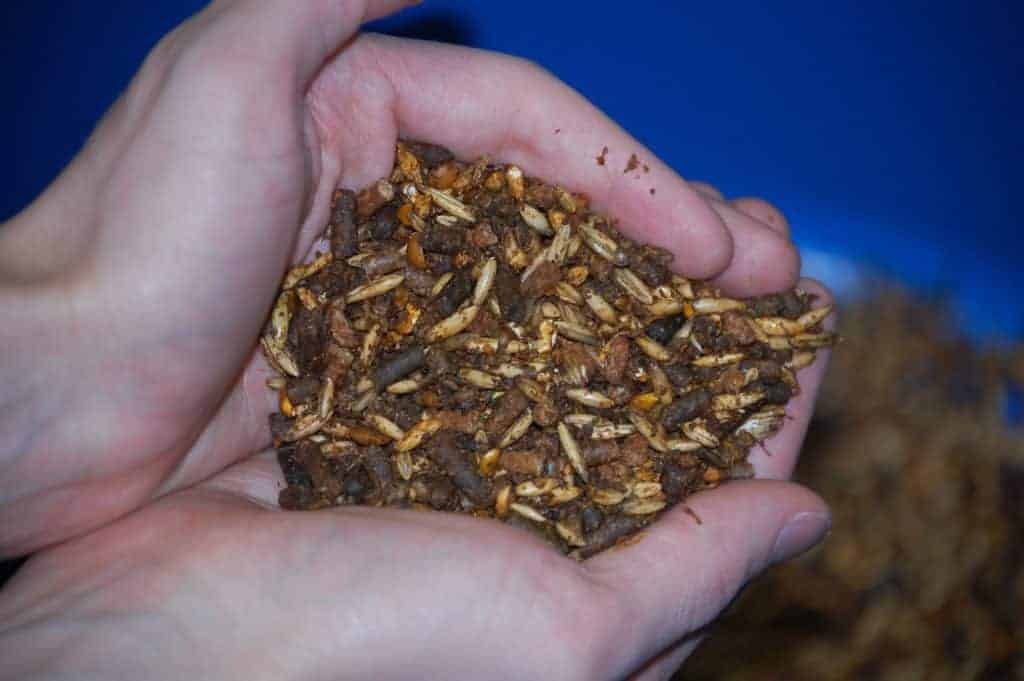
Magnesium is an important mineral for horses because it plays a role in muscle contractions and activates many enzymes so they can perform their duties.
Equine nutritionists share details about how your horse’s feed is made and what quality controls are in place to ensure he’s consuming a safe product.

Any good feeding program meets the nutrient needs for the animal, maintains a healthy digestive system, and offers feeds of the highest quality. Does your horse’s diet include the required nutrients?