Crude Protein Intake Influences Horses’ Ammonia Emissions
Horses consuming crude protein at 12% of total dry matter intake excreted more nitrogen, which led to greater ammonia emissions.

Horses consuming crude protein at 12% of total dry matter intake excreted more nitrogen, which led to greater ammonia emissions.

An average mature horse at rest or performing light exercise requires 3.5 milligrams of iodine per day. This increases in late gestation, lactating broodmares, and horses in heavy work.

While an average 1,100-pound adult horse at rest or lightly exercised requires only 400 milligrams per day, this mineral is important to bone and cartilage development.
Researchers know diet, breed, high colonic pH levels, and water supply mineral content can impact enterolith formation, but how trace minerals affect the process is less well-understood.

A mature horse that is idle or lightly exercised requires 100 mg of copper per day. Here’s why.

Zinc-deficient horses can exhibit reduced growth rates, inappetence, and skin abnormalities, among other issues.

Foals with a selenium deficiency are at risk of developing white muscle disease, which leads to skeletal and cardiac muscle abnormalities.

Selenium is an important part of the equine diet, but is only required in small amounts and has a narrow safety margin.

Find out why a horse might prefer electrolyte water over plain water and if that’s a cause for concern.
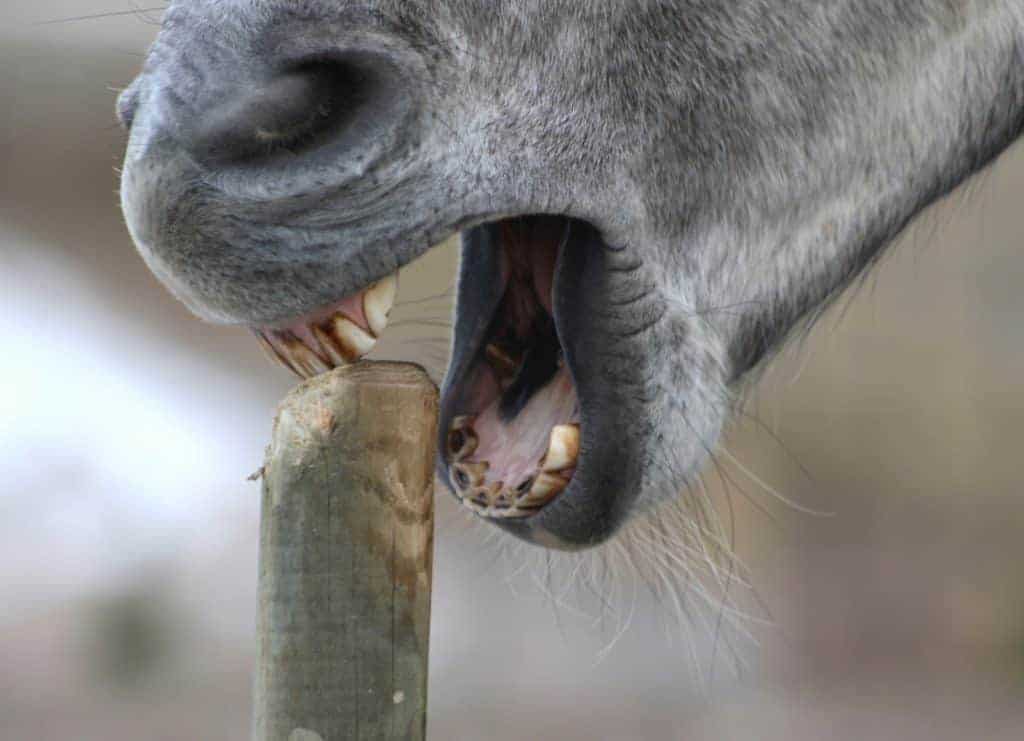
Researchers found that the cribbers in their study were deficient in selenium.
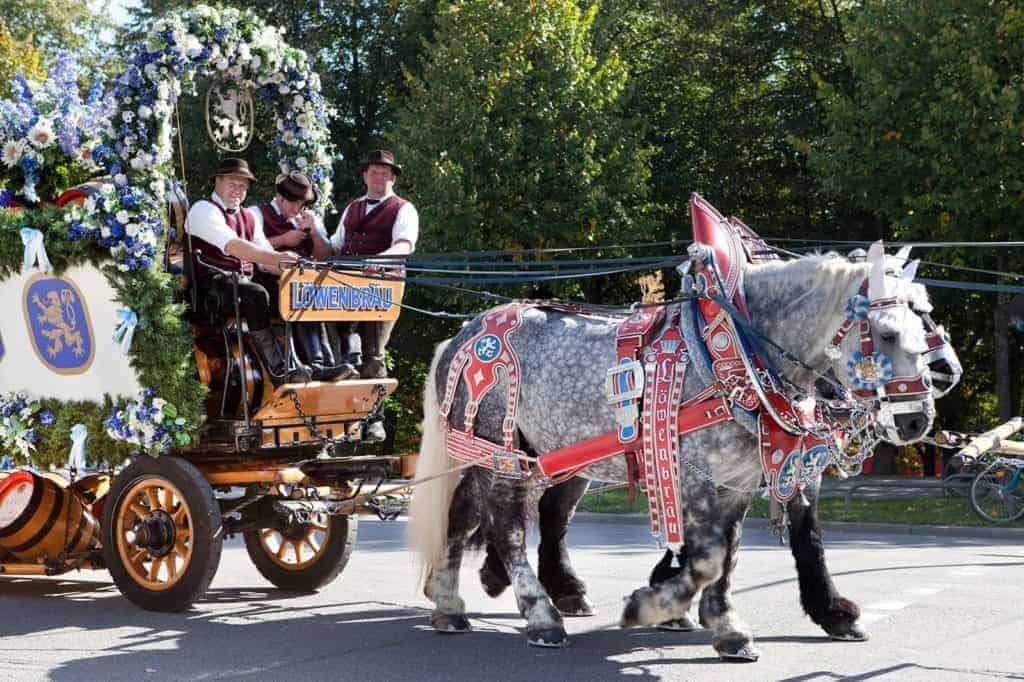
With Oktoberfest in full swing, we started to wonder: Is the racetrack tradition of giving horses beer a good idea?

Weanlings require additional support and feeding adjustments as they grow. Here’s what to remember.

Researchers are looking at how diet might influence how horses respond to stress and disease.
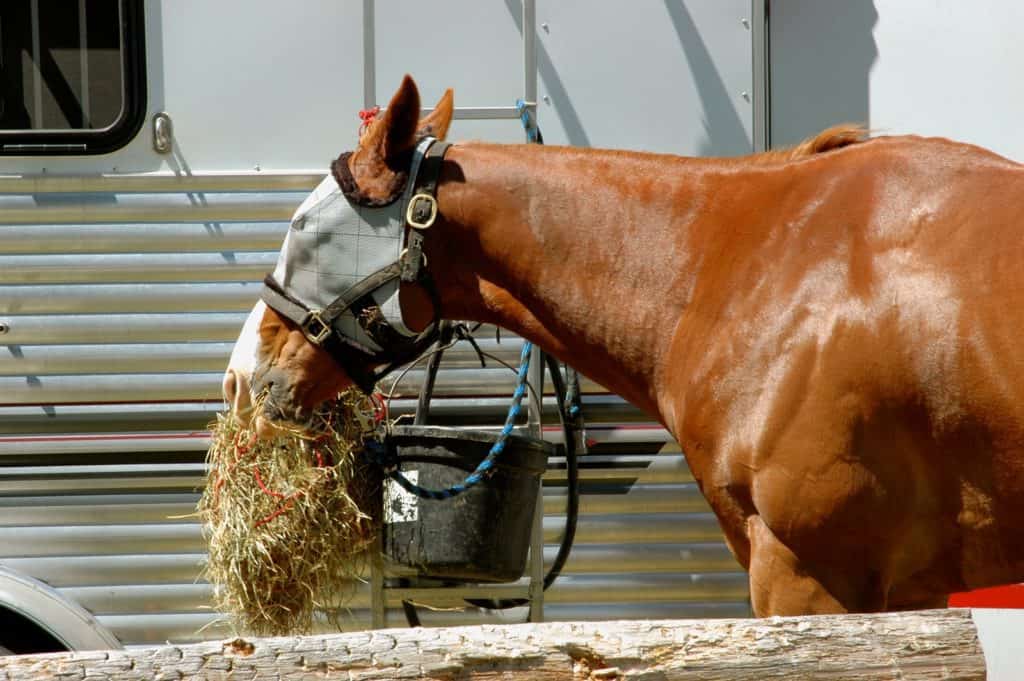
Travel stress can lead to gastric ulcers and colic. Use these strategies to help keep your horse healthy away from home.

An equine nutritionist explains how to ensure your horse gets an appropriate amount of salt.

Our nutrition expert considers grain hays, grass hay, and alfalfa for feeding growing horses.