TheHorse.com’s Top Commentaries of 2018
Commentaries on cleaning feed buckets, botulism, beet pulp, hay, and more were popular in 2018.

Commentaries on cleaning feed buckets, botulism, beet pulp, hay, and more were popular in 2018.

A user in a wildfire-affected area asks if supplements can help support her horse’s respiratory system.

Vitamin E deficiencies can cause neurologic and other health problems in horses. As such, at-risk horses—from breeding stock and foals to equine athletes and pasture pets—might benefit from supplementation.

Phosphorus is the second most abundant mineral in the horse’s body; about 80% of it is found in horses’ teeth and skeleton.

Young growing horses, late-gestation broodmares, and lactating mares have higher calcium requirements than the average mature horse.

Early signs of fluorine toxicosis in horses can include unthriftiness, standing with an arched back, rough hair coats, bone thickening, stiffness, and lameness.

Magnesium, an important macromineral found in most feedstuffs, plays integral roles in muscle contraction, skeletal growth, and a variety of enzyme systems, such as those involved in energy production.


As an essential trace element for horses, chromium plays roles in the communication between insulin and insulin receptors, lipid metabolism, and immune function.

Learn more about these trace minerals that are vital to horse health.

Learn about vitamin B-12’s role in the horse’s body and when supplementation might prove beneficial.

My filly is licking and biting her salt block obsessively. Is it possible for her to eat too much salt?

A horse owner who also has beef cattle wants to know if all-purpose, multispecies feeds are okay for horses. Our equine nutritionist responds.

Cobalt is an essential part of vitamin B12, which plays a role in the amino acid and fatty acid metabolism as well as nervous system function, making it an important part of the equine diet.
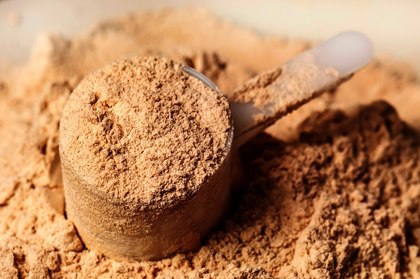
Learn how to read supplement labels and the difference between ingredients that offer potential therapeutic benefits and those meant to improve flavor or act as preservatives.

Iron deficiencies are rare in horses, especially in those with access to good-quality pasture and hay.