Molybdenum isn’t usually a topic of conversation, but this mineral is an important part of your horse’s diet.

In some areas, water sources can contain substantial amounts of Mn, which can affect dietary needs.
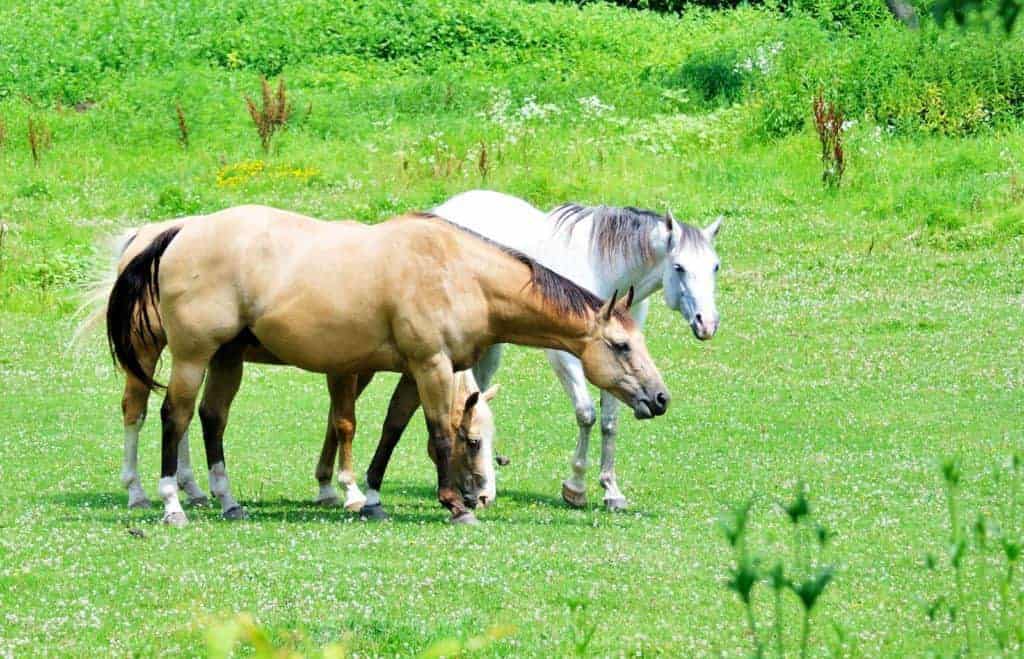
What kind of diet should a horse with HYPP consume to help keep clinical signs at bay?

Iron plays a key role in oxygen transport and immune function in the horse.
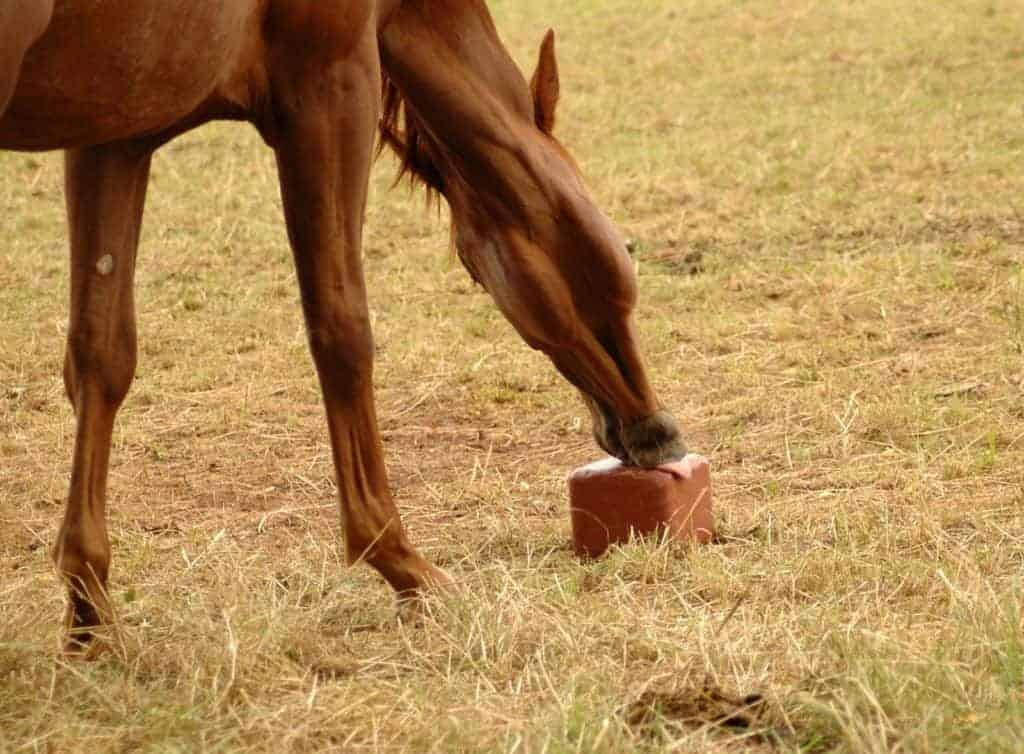
Find out how iodine plays an important role in equine metabolism, growth and development, and overall health.

With a rapidly growing foal on board, late gestation can pose nutritional challenges for pregnant mares.

High blood potassium levels cause hyperkalemia. Here’s what to watch for and how to treat this dangerous condition.

Age is a number, not a disease, said Dr. Megan Shepherd. Remember this when tailoring a diet for your older horse.

Pay special attention to the purpose statement, guaranteed analysis, ingredients, and directions for use.
Boakari is studying protein’s effects on mare reproductive parameters such as early pregnancy loss and embryo quality.

Nutrition affects your horse’s hooves, but balance is essential for hoof health.

A reader asks about the risks and benefits of her horse eating a favorite treat: grapefruit. Our nutritionist weighs in.

A vitamin E deficiency can lead to neurologic problems as well as a retina disorder called pigment retinopathy.

Our “Why Does My Horse Do That?” winner wants to know why her mare’s buddy licks the mare after meals.

Too much dietary selenium can cause toxicity or even death. But too little selenium can be life-threatening, as well.