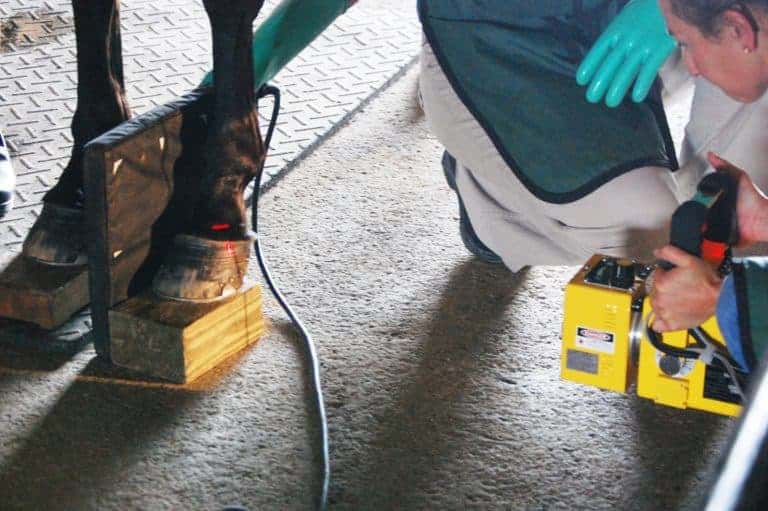
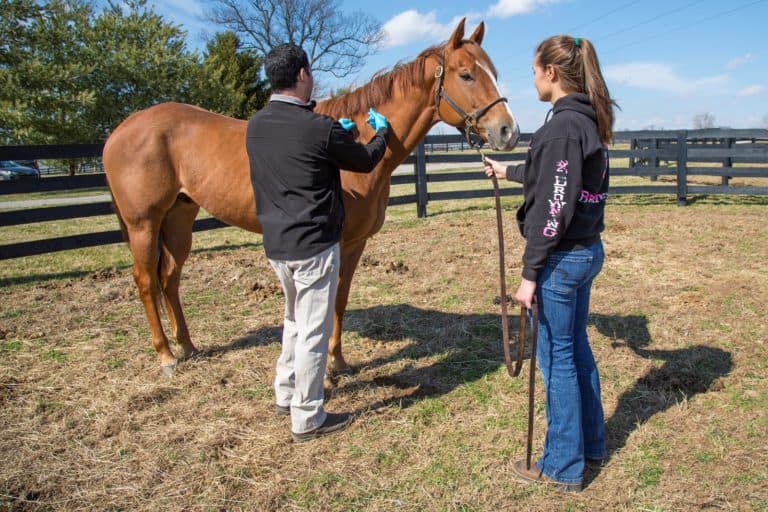
Rolex Kentucky: Dehydration in Event Horses
Kent Allen, DVM, head treating vet at the Rolex Kentucky Three-Day Event, describes addressing dehydration in event horses and preventing it in your own.

Kent Allen, DVM, head treating vet at the Rolex Kentucky Three-Day Event, describes addressing dehydration in event horses and preventing it in your own.

Your horse’s fecal production and appearance can be an indicator of good or poor health.
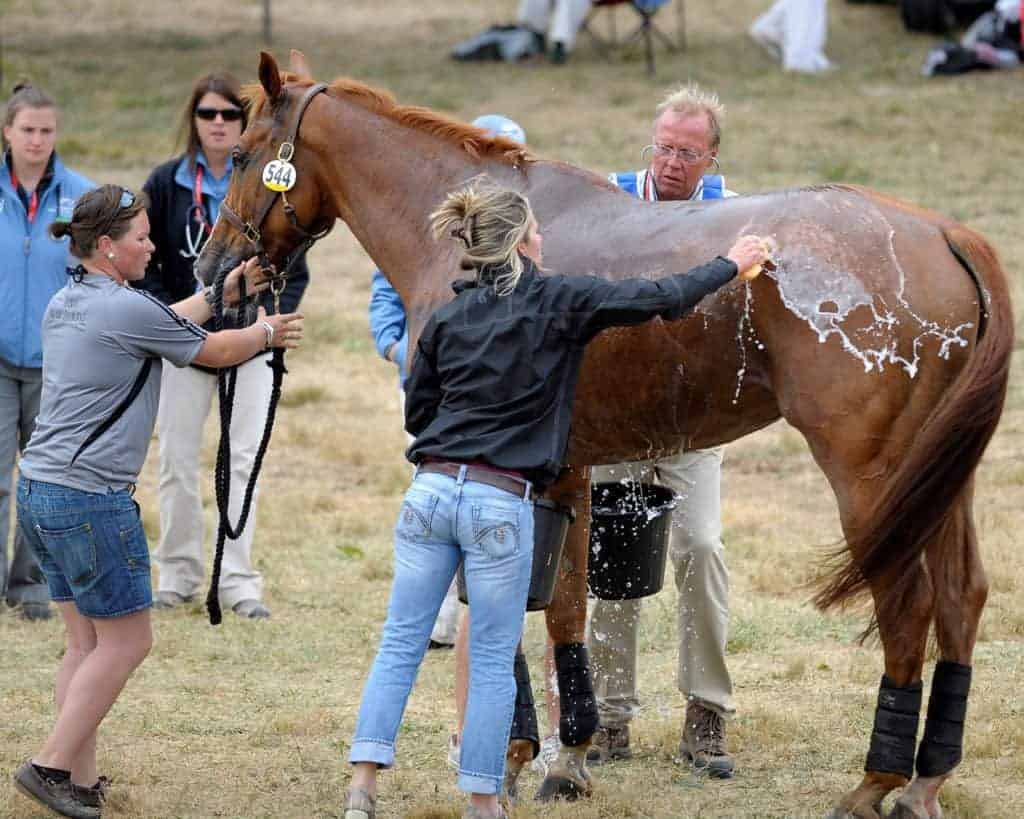
With proper management, most horses recover well from dehydration and exhaustion.
Is it a good idea to add a little salt to your horses’ diet in the winter to get them to drink more water?

Paying attention to equine management can go a long way to decrease colic incidence.
Having a supply of water in your trailer is useful for hot trail rides, all-day horse shows or camping trips.Photo by Alayne Blickle This project

Making diet changes slowly, ensuring water intake, and keeping horses moving can help reduce colic risk.

Equine nutrition, hydration, exercise, blanketing, and respiratory health can be concerns as temperatures dip.
Studies are needed to determine safe limits of fluoride in feed and water for horses.

A recent study shows that antioxidant levels appear to be challenged during the competition.
Always ensure horses are consuming their baseline sodium, potassium, and chloride requirements each day.
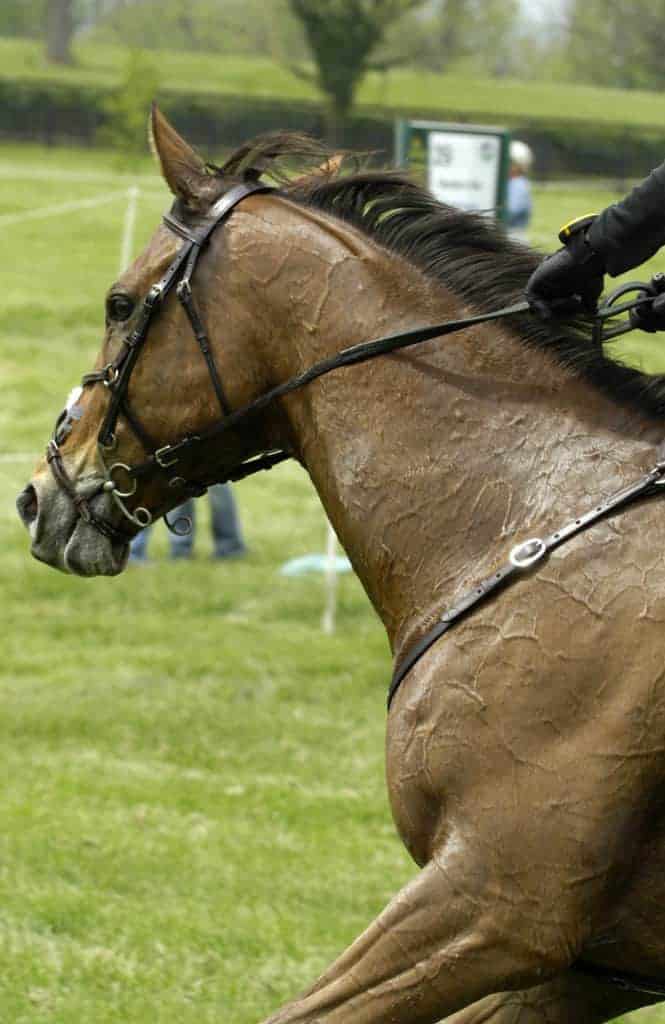
Electrolytes can help increase equine performance when supplementing a balanced diet.
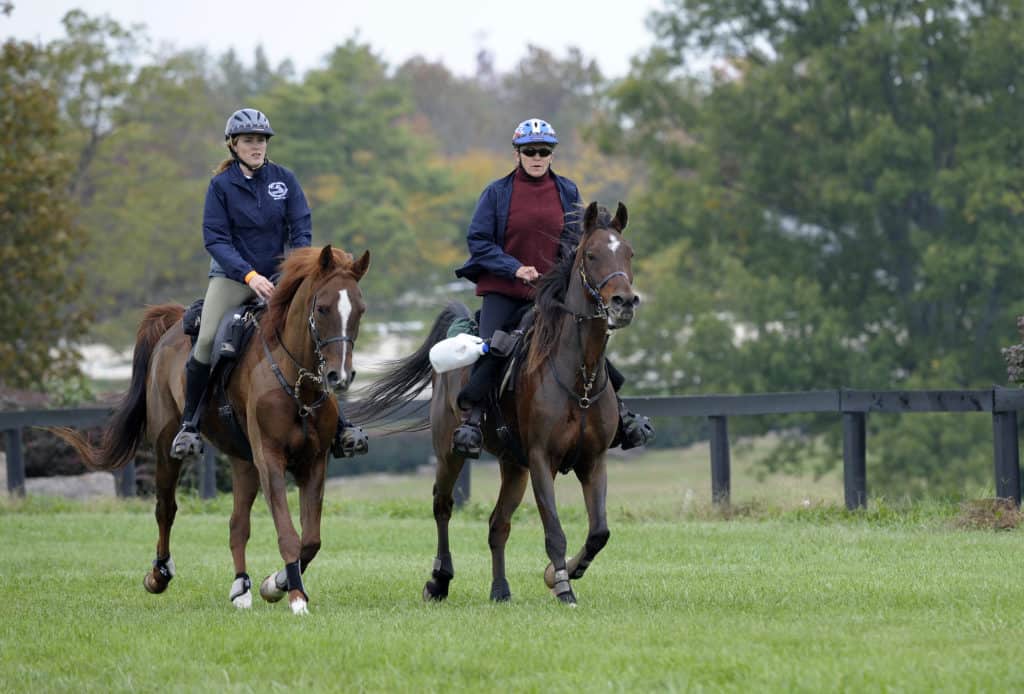
Attention to conditioning and minimizing wear and tear can help horses stay on the trail for years to come.
High temperatures and dry conditions cause a livestock heat stress emergency warning to be issued.
The animals died after a watering system malfunctioned, leaving them without an adequate water supply.

Appropriate forage, forage alternatives, and/or concentrates can keep aged horses at a healthy body condition.