Equine Grass Sickness Update
Equine grass sickness is frequently fatal. Here’s what researchers know about this complex disease.

Equine grass sickness is frequently fatal. Here’s what researchers know about this complex disease.
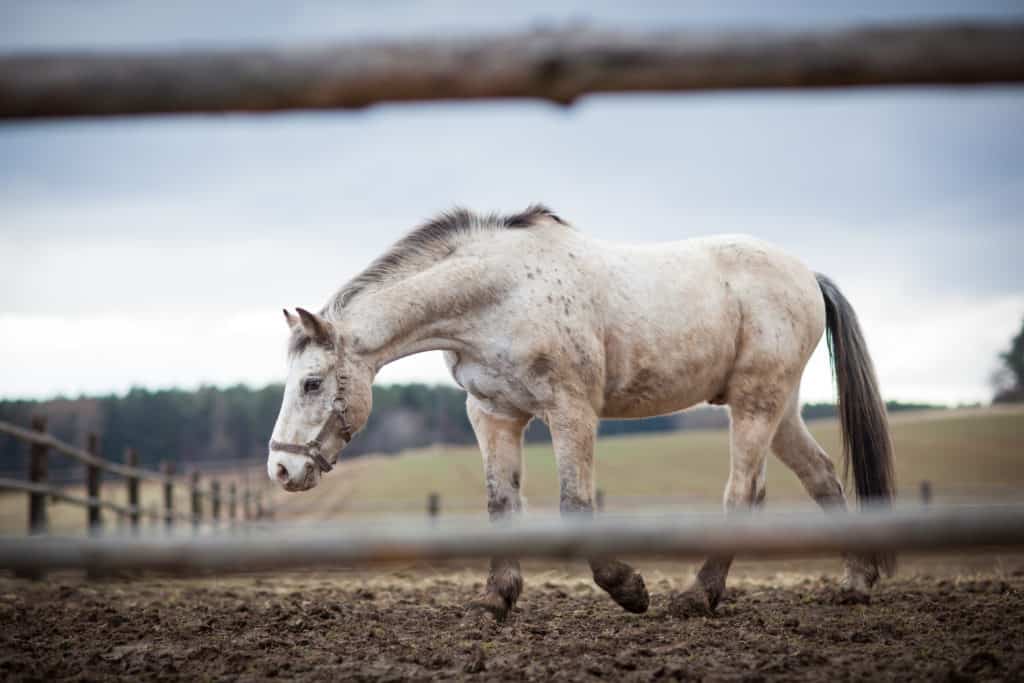
Learn how to choose forage, concentrates, and supplements to support weight gain and overall well-being in horses with multiple health conditions.

An equine internal medicine expert explains how owners can manage horses with free fecal water syndrome, especially during winter.
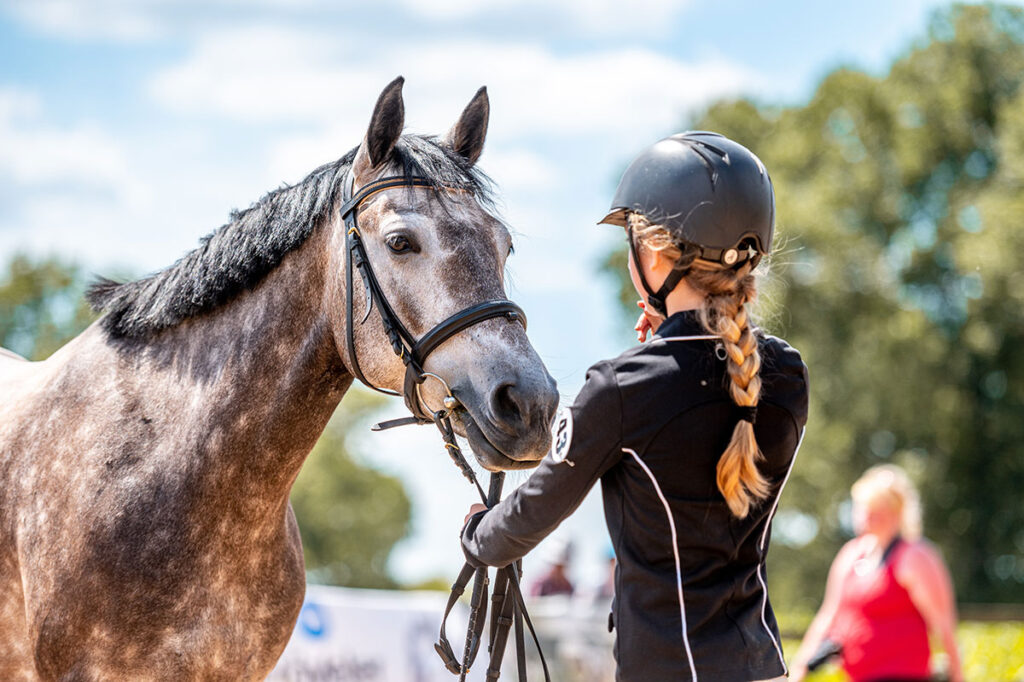
An equine nutritionist offers advice for feeding horses on competition days to support energy, digestion, and performance.

Do you want a festive fall treat for your horse? Find out if pumpkin is a safe choice.

Learn about 14 types of colic, or abdominal pain, in horses and their prognoses.

Can horses lose weight too fast? Does exercise or dietary restriction work better for equine weight loss? Two experts answer these questions and more.

An equine nutritionist explains how to balance a performance horse’s diet to improve his energy levels and help him build muscle.

Smart storage of hay, feeds, meds, and gear can help keep horses safe, prevent waste, and reduce fire, pest, and injury risks in the barn.
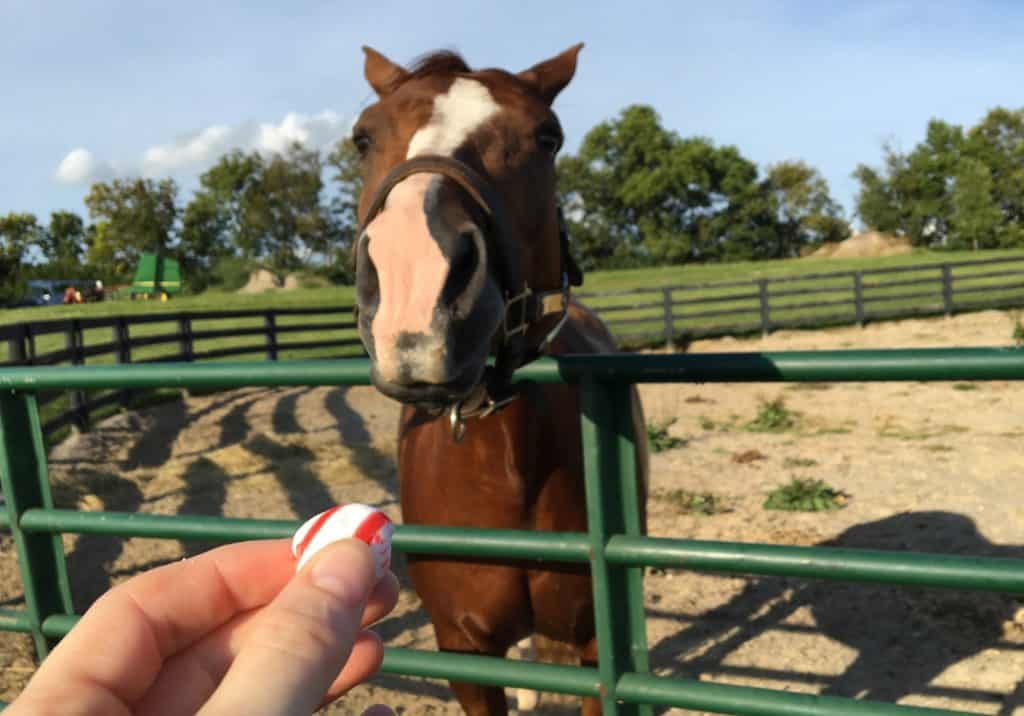
Horses with laminitis can still enjoy an occasional carrot or peppermint, but safer options include low-sugar fruits, veggies, and commercial treats.

Common advice tells us not to feed horses before exercise. But this outdated belief might be hurting your horse.

Learn about the benefits and drawbacks of adding hydroponic fodder to a horse’s diet.
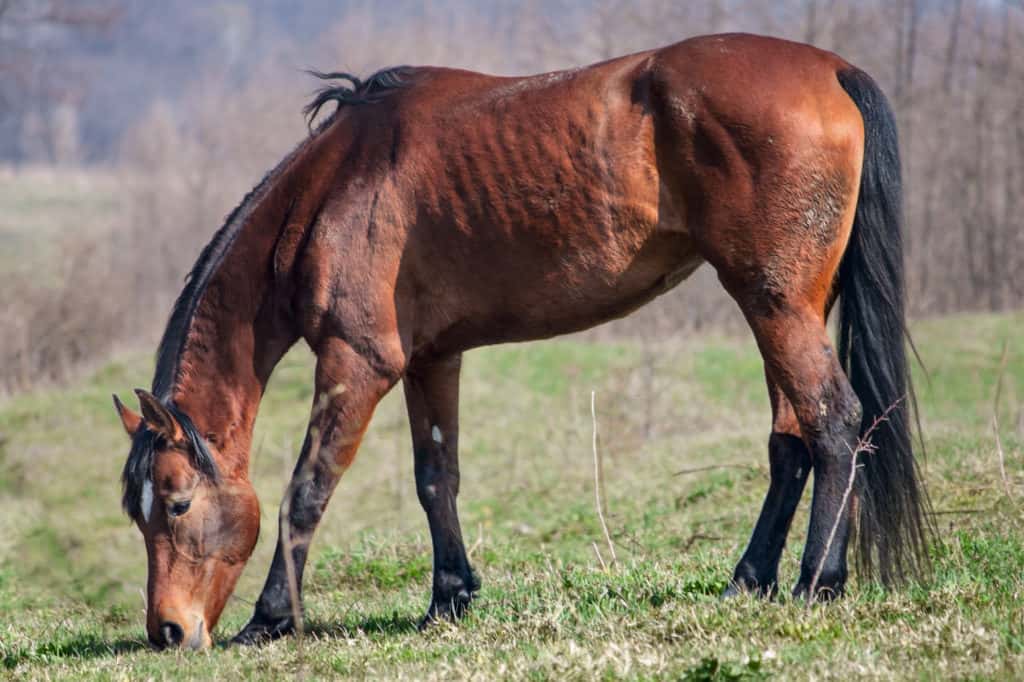
An equine nutritionist offers care and feeding tips to help owners prepare thin senior horses for cold weather.

An equine nutritionist answers common questions about beet pulp, which has long been a mainstay in many feed rooms for horses.
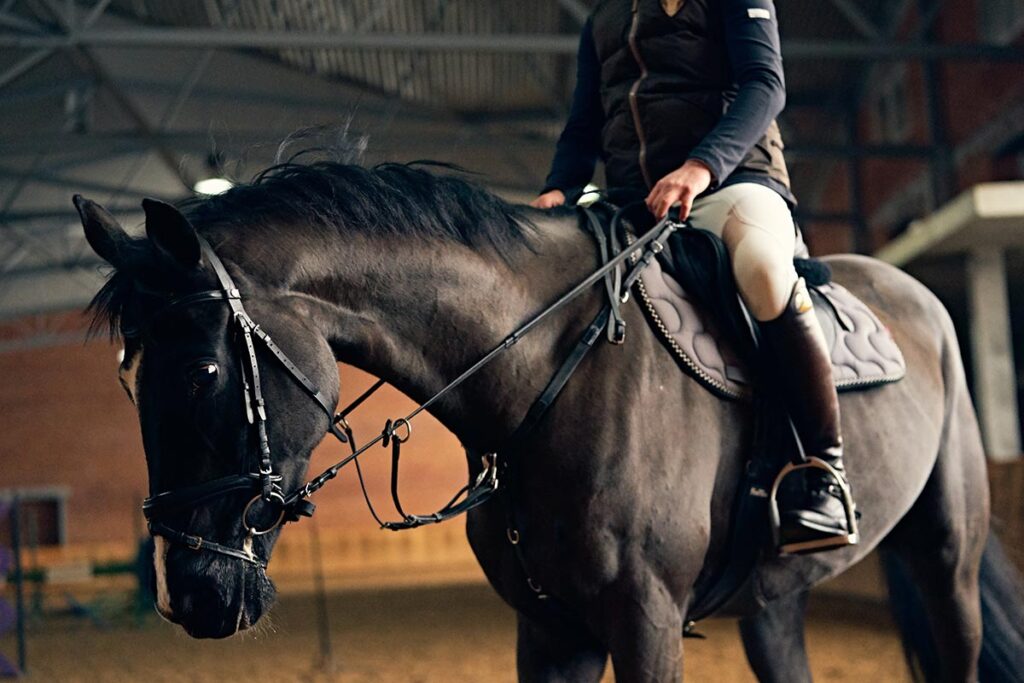
Dr. Wendy Krebs explains the common costs associated with purchasing a horse and early ownership in this Ask TheHorse Live excerpt.

What types of feeds improve a horse’s energy levels? Why might a sluggish horse need additional electrolytes? An equine nutritionist explains.