Diagnosing Equine Gastric Ulcer Syndrome
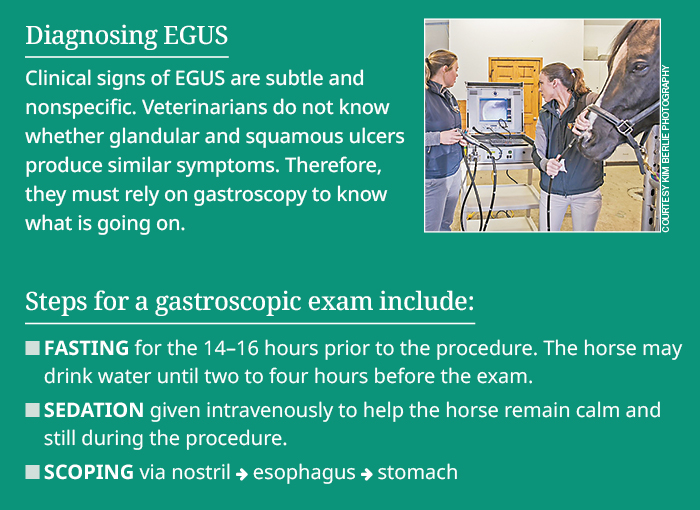
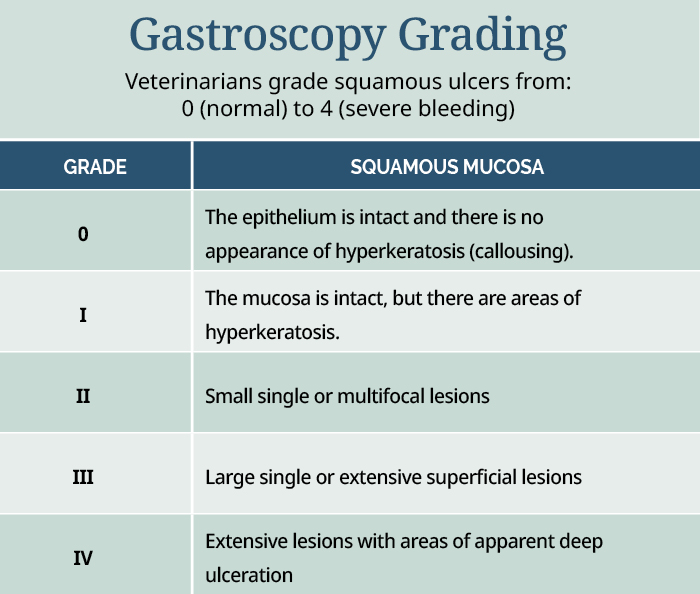
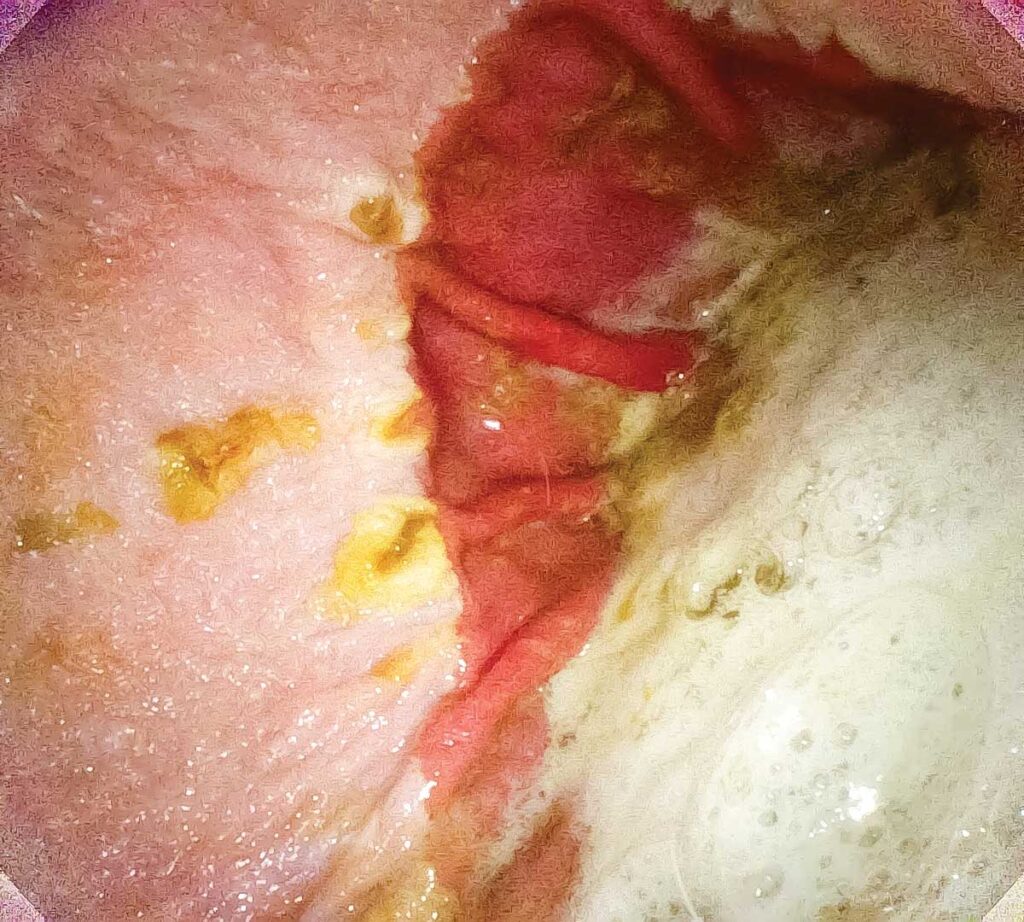
Equine gastric ulcer syndrome (EGUS) can only be definitively diagnosed through gastroscopy by a veterinarian. Sponsored by Endoscopy Support Services.
Share
ADVERTISEMENT
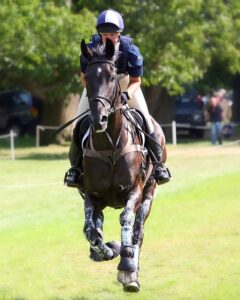
Common Signs of EGUS
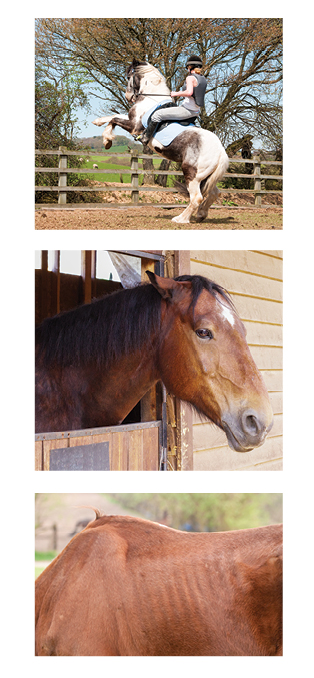
- Performance decline
- Unwillingness to work
- Reluctance to bend/flex
- Bucking, bolting, rearing
- Poor attitude/aggression
- Displeasure with grooming/saddling
- Mild colic (especially post-grain)
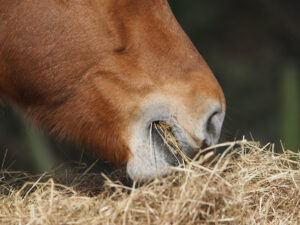
- Picky eating/inappetence
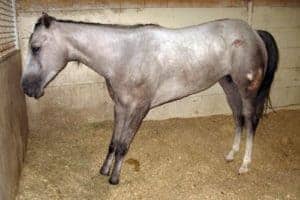
- Weight loss
- Poor coat condition
- Teeth grinding (bruxism)
Practitioners describe glandular ulcers by location, severity, and appearance (e.g., erosive, hemorrhagic).
Veterinarians tailor treatment based on clinical findings and typically use Gastrogard (omeprazole) but might add sucralfate and/or misoprostol, depending upon the ulcers’ location and severity.
The severity of ulcers doesn’t always match clinical signs veterinarians see. Once treatment finishes, ask your veterinarian to rescope your horse to confirm healing. Sometimes treatment might take longer than the initial course.
Take-Home Message
Treat EGUS like lameness: Start with a clear diagnosis before pursuing treatment. Use gastroscopy to guide accurate, effective care.
Share

The Horse: Your Guide To Equine Health Care is an equine publication providing the latest news and information on the health, care, welfare, and management of all equids.
Related Articles
Stay on top of the most recent Horse Health news with