Understanding Mineral Supplementation in Equine Diets
Horses need a variety of minerals in their diet to support basic system function and overall health. Find out how to be sure your horse is getting them.

Horses need a variety of minerals in their diet to support basic system function and overall health. Find out how to be sure your horse is getting them.

Equine metabolic syndrome (EMS) is a metabolic disorder in horses that can cause obesity, insulin dysregulation, and laminitis. Sponsored by Equithrive.

Does your old horse need additional vitamin supplementation in his later years? An equine nutritionist shares how to ensure your senior horse gets the nutrition he needs.

The latest research-based recommendations on managing equine metabolic syndrome and insulin dysregulation. Sponsored by Equithrive.

Here’s why you should consider how closely horses graze, along with compost, water, and rest to cultivate healthy soil in horse pastures.

Abruptly putting a horse on pasture can lead to colic or laminitis. Here’s advice to help avoid health problems.

Find out how to make the weaning transition smoother for foals by meeting their nutritional needs.

Horses with cellulitis need medical intervention from a veterinarian, but these efforts can be supported through a balanced diet. Here’s why.

These 5 steps can help you prevent and eliminate odors on your farm and create a cleaner space for your horses.

One reader wants to know how she can manage her metabolic horse that is also prone to gastric ulcers. Here’s what she should consider.

Find out how to manage and remove horse waste from your farm in a safe and effective way.
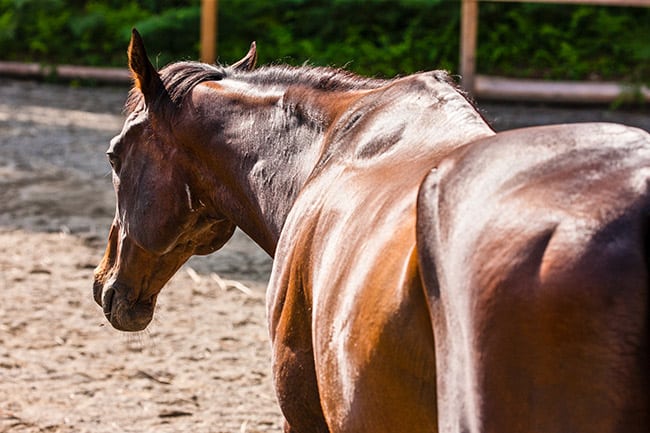
If you can see your horse’s ribs or his topline is lacking, he might need to gain weight or muscle. But how can you tell which he needs?

Explore the methods used to diagnose food-related issues in horses and effectively manage their clinical signs.

Sustainable hay production involves practices that protect the environment while yielding high-quality hay. Here’s how to grow or source sustainably produced hay.

Horses with EMS are often overweight or obese and also at an increased risk of developing laminitis. Implement these 5 strategies to manage your EMS horse more effectively.

Learn how to feed growing horses correctly to avoid developmental orthopedic disease.