Dopamine and Equine Insulin Regulation
Scientists recently examined the role of dopamine in horses with PPID and ID, as well as how pergolide affects dopamine receptors to treat metabolic problems.

Scientists recently examined the role of dopamine in horses with PPID and ID, as well as how pergolide affects dopamine receptors to treat metabolic problems.

Some medications are critical for horses’ health but don’t taste great. Here are tips from an equine nutritionist to encourage them to eat their pills.

Feeding senior horses doesn’t have to be complicated. Some need nutrition adjustments based on their health status and body condition. Sponsored by Sentinel Equine Nutrition.

Find out which horses and ponies have a higher genetic risk for EMS and how to manage them.

Overweight horses and some breeds are predisposed to metabolic problems. Here’s how to feed horses with ID and calculate if your horse’s meal has a safe level of NSCs.

Sourcing lower-energy hay and implementing slow-feeding strategies can help reduce your horse’s risk of becoming obese and developing metabolic problems.

Horses need the essential nutrient vitamin E for proper muscle and cell function. Here’s how you can be sure you’re meeting their requirements.

An equine nutrition expert addresses toplines, horse protein needs, and if whey is the way to go.

Adding oil to your horse’s diet can improve coat quality and weight gain. An equine nutritionist describes factors to consider before choosing an oil to feed your horse.
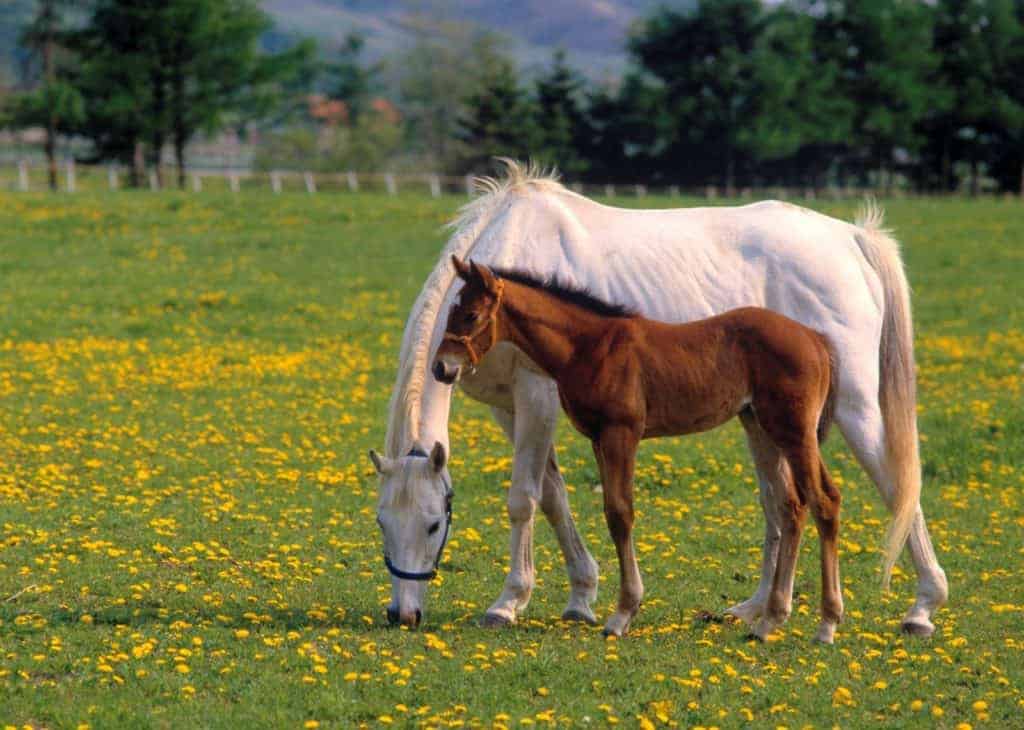
Learn how to adjust your mare’s diet to support a healthy pregnancy, ensure adequate milk production, and maintain her body condition during this critical time.

Find out why your horse might be more prone to impaction colic during winter and how you can reduce the risk.

Learn how to tailor your mare and foal’s feeding program from late pregnancy to weaning with expert guidance.


An equine nutritionist explains why you should consider your individual horse’s needs and forage source before choosing a ration balancer.

Vitamins and minerals comprise a small portion of the horse’s diet by weight, but their importance is enormous. Learn more about when supplementation might be needed.

Researchers found that a schizophyllan and hyaluronan supplement might help veterinarians and owners manage EGUS.