Open Up and Say Zzz: Why Horse Dental Exams Require Sedation
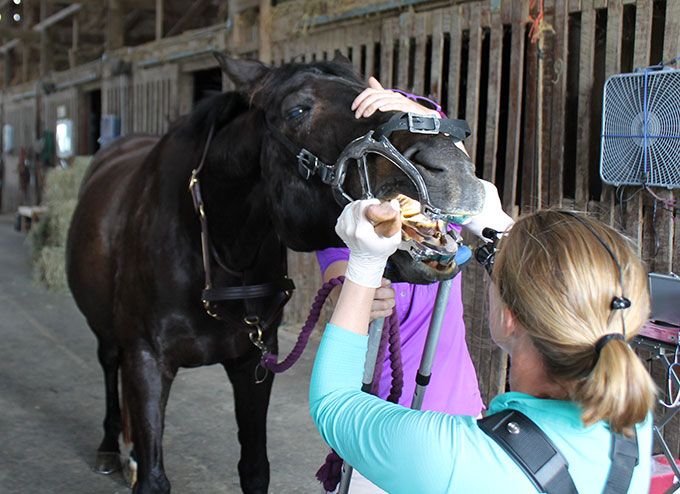
Your veterinarian needs a good look into your horse’s deep, dark mouth to perform a thorough dental exam. The answer? Proper sedation.

Your veterinarian needs a good look into your horse’s deep, dark mouth to perform a thorough dental exam. The answer? Proper sedation.

Dr. Kelly Vineyard describes the best ways to help an older horse with poor dentition gain weight without putting him at risk of choke or GI problems.

When your older horse’s pearly whites are past their prime, keep an eye out for signs of specific problems.
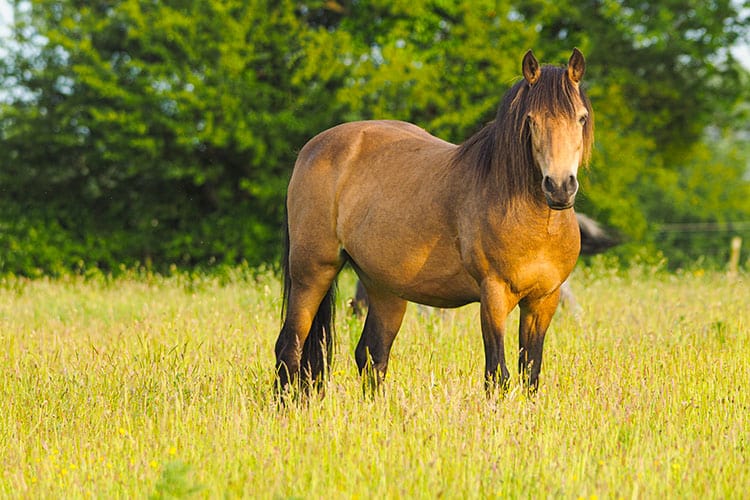
Here are some tips for promoting nonworking horses’ optimal health (and preventing potential problems) with nutrition.

An owner’s Morgan mare might have something wrong with her teeth. A veterinarian with an interest in equine dentistry explains what to expect from the dental examination.

What is the long-term prognosis for a young horse losing a tooth prematurely?

Look for equine dental health information all month long on TheHorse.com. Brought to you by Zoetis.

Probiotics might help reestablish healthy balances in the horse’s gut microbiome without causing harm.

If your horse stops eating, consult a vet to rule out medical issues, check feed quality, consider behavioral factors, and use palatable options to stimulate appetite.

Horses tend to drink less as the temperature of their water drops. However, when given the choice between cold and warm water, horses consume the former.

One expert describes the best way to manage horses with a history of squamous and glandular ulcers and how to prevent recurrence.

Researchers investigated fecal sample analysis as a noninvasive alternative diagnostic method for IBD in horses.

Researchers say a high-fiber diet can help improve the health of your horse’s gut microbiome. Here’s what you need to know.

Learn how to calculate the amount of forage your horse or pony needs to achieve a healthy weight and what types of hay might be best for weight loss.

Learn how to provide your horse with proper nutrition whether he’s under- or overweight. Sponsored by Purina Animal Nutrition.

Does your otherwise healthy horse have trouble keeping pounds on? Here are 5 tips to consider when feeding the mature, healthy hard keeper.