How To Help Your Horse Lose Weight
A careful approach to nutrition and exercise can help you keep your horse at an ideal weight.

A careful approach to nutrition and exercise can help you keep your horse at an ideal weight.

Feeding hard-working endurance horses is as much art as it is science. Our sources walk you through an endurance horse’s diet, from conditioning to post-race.
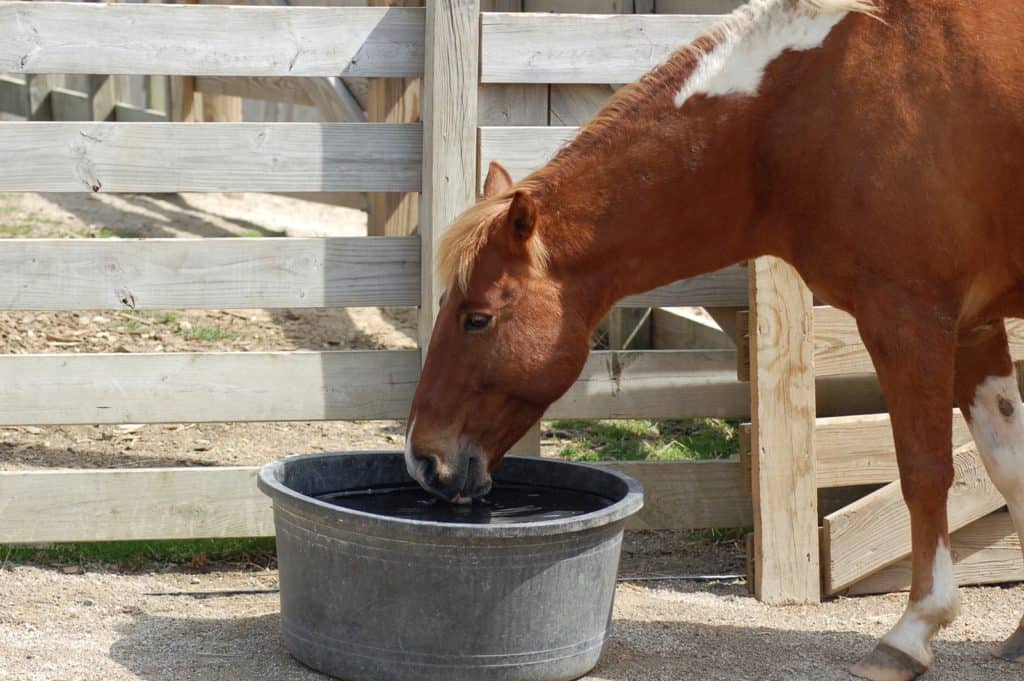
Water and electrolytes are key to minimizing heat stress and dehydration, and continuous application of 60-78.8 F water is best for cooling.

Keep the horse’s microbiome healthy by mimicking the lifestyle maintained by wild horses.

What causes free fecal water syndrome in horses and how diet plays a part.

Dr. Steve Higgins of the University of Kentucky optimizes daily barn tasks for efficiency, cost savings, and environmental soundness.

Top articles about how to prevent and solve problems through management and diet. Sponsored by Freedom Health.

Feeding your horse forage before a ride can protect the stomach from splashing gastric acid.

Feeding your horse extra calories can add unnecessary energy, making them ‘hot.’


Nutritionist: Soaking beet pulp helps with hydration, but dry beet pulp is also typically safe to feed some horses.

Low-starch forage and weight loss can help horses with laminitis regain their foothold.

Learn about the best trimming and shoeing practices to ensure your horse stays sound while traveling the trails.

A veterinarian addresses whether oral aloe vera could help horses with gastric ulcers and offers evidence-based alternatives.

Follow these steps to keep your horse cool and comfortable in the heat.

For any horse with appetite, appearance, or attitude issues, start by addressing the microbiome.