Boarding Barn Feeding Practices
Use these tips to make smart mealtime decisions when feeding many types of horses.

Use these tips to make smart mealtime decisions when feeding many types of horses.

Learn why your horse might benefit from a slow hay feeder and how to choose the right one.

Dr. Liz Schatz explains whether supplements can strengthen a horse’s immune system, especially in the face of equine disease outbreaks.

Low vitamin E levels in horses can contribute to 3 diseases, and supplementation might help support affected horses.

Find out what supplements might be beneficial for horses with pituitary pars intermedia dysfunction and other metabolic problems.

Dr. Frank Andrews explains how vitamin E and selenium could help support your horse’s immune system.
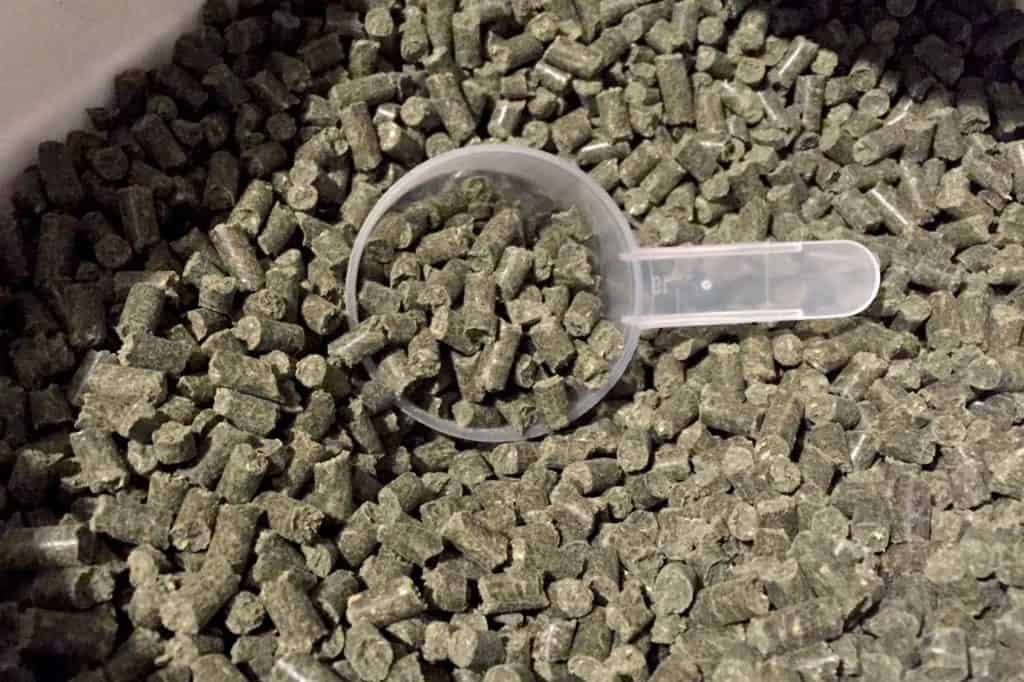
Here’s how you can determine if an equine supplement is high quality and research-backed.

Learn why dental and digestive problems in geriatric horses often go hand in hand and what you can do to help your horse thrive in his golden years.

How veterinarians navigate 4 common scenarios, from dehydration to the postpartum period, that increase colic risk.

A nutrition expert offers advice on preventing weight gain and boredom while a hefty horse is on stall rest.

Learn how to prevent squamous disease in horses through thoughtful management practices. Sponsored by Kelato.

Use winter downtime to declutter your horse barn and promote chore efficiency.

Horses on all-day pasture have more opportunities than stalled horses to meet their behavioral needs. Here’s what you need to consider.
Research continues into the cause, diagnosis, and treatment of colonic ulcers in horses. Read more in The Horse‘s 2025 Research Roundup issue.
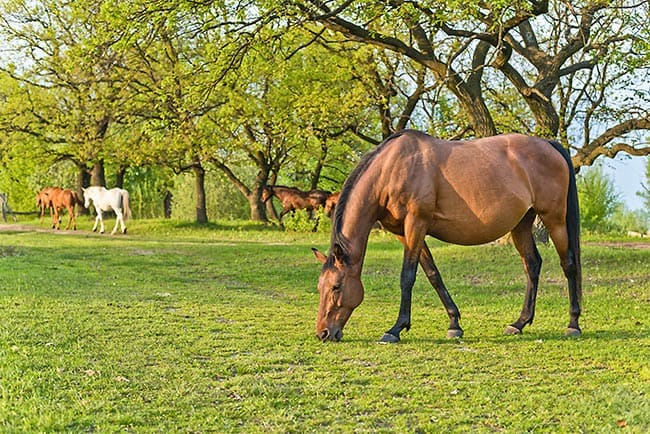
With careful management and feed selection, owners can provide broodmares the nutrients they need to support foal growth. Here’s what one equine nutritionist recommends.
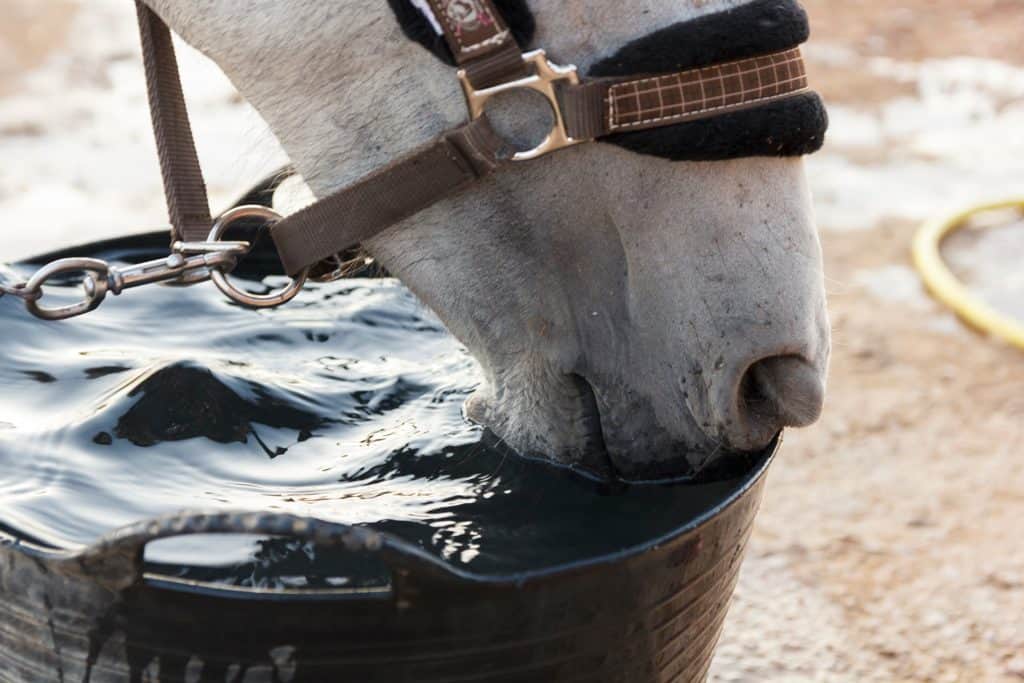
Just because your horse has access to water does not guarantee he’s drinking enough. Learn more about how to keep horses hydrated.