Is It Okay for Horses to Eat Before Activity?
Traditionally, some riders withheld feed from their horses prior to training or competition. We now know better. Nutritionist Dr. Clair Thunes explains.

Traditionally, some riders withheld feed from their horses prior to training or competition. We now know better. Nutritionist Dr. Clair Thunes explains.

Activity level is an important part of designing diets for horses. In this podcast clip, Dr. Clair Thunes helps horse owners understand what constitutes a “recreational horse.”

How do you feed recreational riding horses to meet their nutritional and digestive needs without causing weight gain? Get those questions and more answered during this live recording of our podcast. Sponsored by Nutrena.

Learn from Dr. Jennifer Janes, part of the University of Kentucky’s CSI team for horse diseases, conditions, and poisonings.
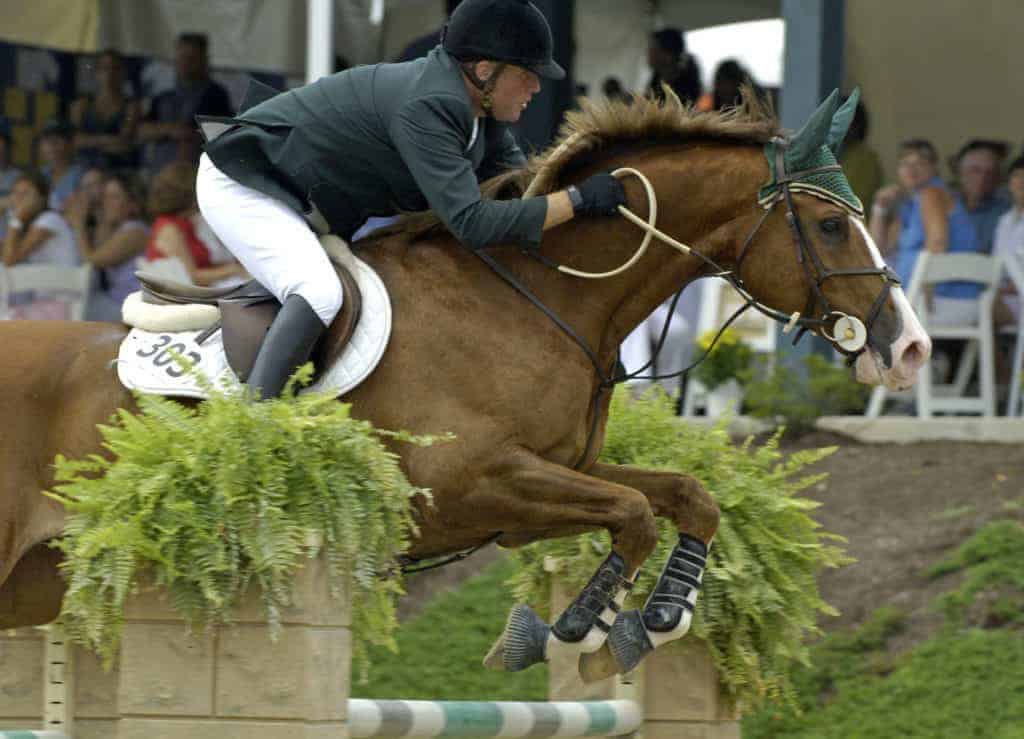
Dr. Frank Andrews shares insight into how likely a horse is to have gastric ulcers. His answer might surprise you.

Dr. Marty Adams shares his thoughts on the best joint supplement ingredients for performance horses.

Dr. Marty Adams talks about hay quality, impaction colic risk, and if Bermuda hay is appropriate for feeding horses.

Nutritionist Dr. Clair Thunes talks about the best ways to keep horses fueled and hydrated during competition.

Drs. Clair Thunes and Marty Adams outline what constitutes a performance horse and their unique dietary needs to support athletic training.

Dr. Camie Heleski of the University of Kentucky talks about research into cohousing for stallions.

Is your horse getting the nutrition he needs to reach his athletic potential? Are you looking to build his topline or increase his stamina? Equine nutritionists answer these questions and more.
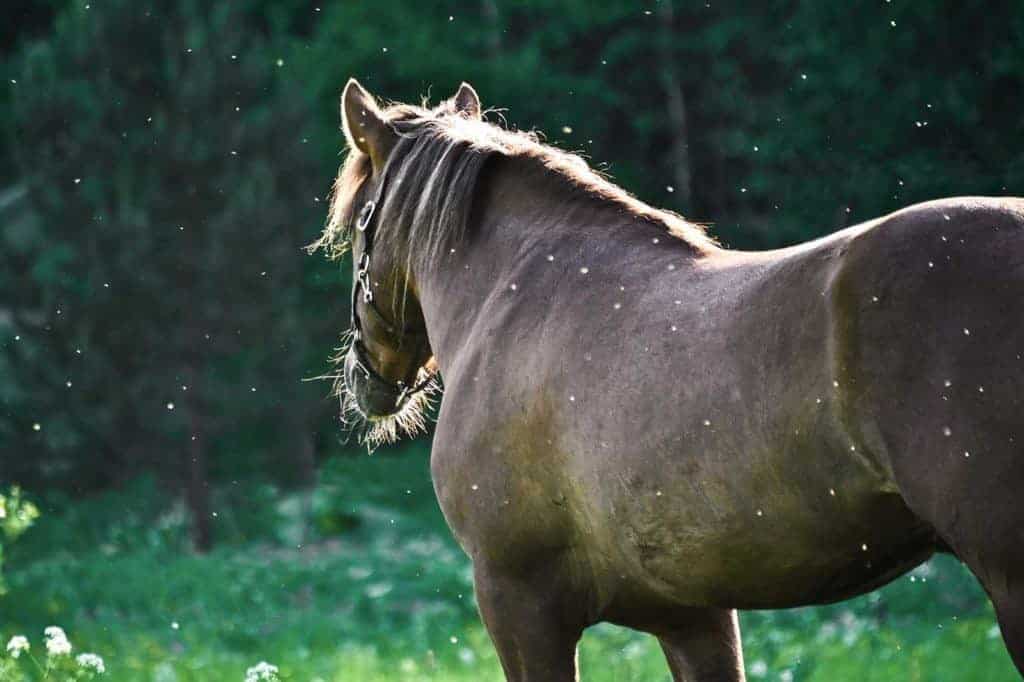
Find out what insects can spread equine infectious anemia from Dr. Angela Pelzel-McCluskey.

Michele Haman of Equilibrium Therapy LLC shares how a massage therapist can work with saddle fitters, trainers, and hoof care professionals to benefit the horse and its performance.

Dr. Gina Tranquillo-Shade and Michele Haman of Equilibrium Therapy LLC discuss regulations around who can perform massage on horses.

Three scientists discuss genetic variation in horse breeds, why it’s important, and what we’ll learn from the Thoroughbred Genetic Diversity project.

Should a horse get turnout after a massage? A warm bath and liniment rub? Rest or exercise? Dr. Gina Tranquillo-Shade and Michele Haman of Equi-Librium Therapy LLC talk about what care a horse should receive immediately after a massage.