Can Massage Help Horses With PSSM?
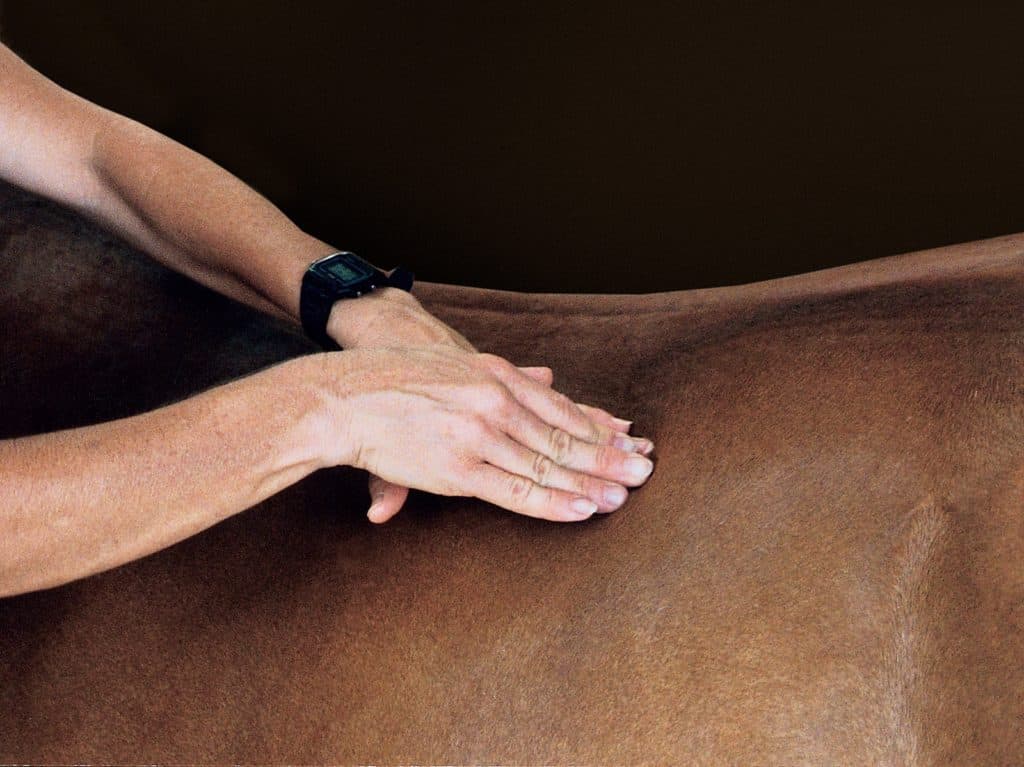
Dr. Gina Tranquillo-Shade and Michele Haman of Equi-Librium Therapy LLC talk about whether massage can help or hurt horses with polysaccharide storage myopathy.

Dr. Gina Tranquillo-Shade and Michele Haman of Equi-Librium Therapy LLC talk about whether massage can help or hurt horses with polysaccharide storage myopathy.

Horses with Cushing’s have a harder time regulating their body temperature and often sport longer coats. Dr. Jeanette Mero has recommendations for keeping those horses comfortable.

Massage can promote relaxation, support your horse’s muscles, and improve his performance. Listen to this prerecorded Q&A about deep-tissue massage, myofascial release, acupressure points and more. Sponsored by Kentucky Performance Products.

Dr. Scott Stanley of the University of Kentucky describes the challenges conventional drug testing presents and a potential biomarker-based solution.

Dr. Morgan Hayes of the University of Kentucky describes barn and indoor arena ventilation problems and how to fix them.

Dr. Laurie Lawrence of the University of Kentucky describes recent equine nutrition research from her lab, from deciphering forage composition to monitoring obesity. She also shares common misconceptions about feeding horses.

Dr. Amanda Adams of the University of Kentucky, in Lexington, describes her senior horse research, which focuses on EMS, PPID, and immune system health.

Learn about the science behind creating safe racing surfaces from Mick Peterson, PhD, director of the University of Kentucky’s Racetrack Safety Program.

Find out why early evacuation is always your best bet. Dr. Rebecca Gimenez-Husted explains.

Your horse’s head, face, and mouth comprise sensitive nerves, bone, and soft tissue. While many of us focus on saddle fit, bridles and bits often get overlooked as a cause of discomfort. Bits can cause mouth pain and injury, and research shows many nosebands are adjusted too tight to the point of cruelty. Is your horse wearing the right bit and bridle?

In mares, unwanted and nervous behaviors often get blamed on estrus. However, that’s often not really the cause. Dr. Jenny Biehunko explains.

Drs. Jenny Biehunko and Camie Heleski touch on how nutrition might or might not affect horse behavior.

Horses have a good sense of smell. Drs. Jenny Biehunko and Camie Heleski talk about how scents and pheromones might help calm horses, especially during travel.

From learning theory and counterconditioning to supplements and pharmaceutical options, we’ll take a look at ways to safely help nervous, high-strung, and energetic horses relax. Sponsored by Confidence EQ by Bimeda.

Dr. Laurie Lawrence, from the University of Kentucky, describes ways to make sure your older horse is getting enough forage.

Dr. Stephen Duren shares information about alfalfa’s calorie density and recommends how and when to feed it.