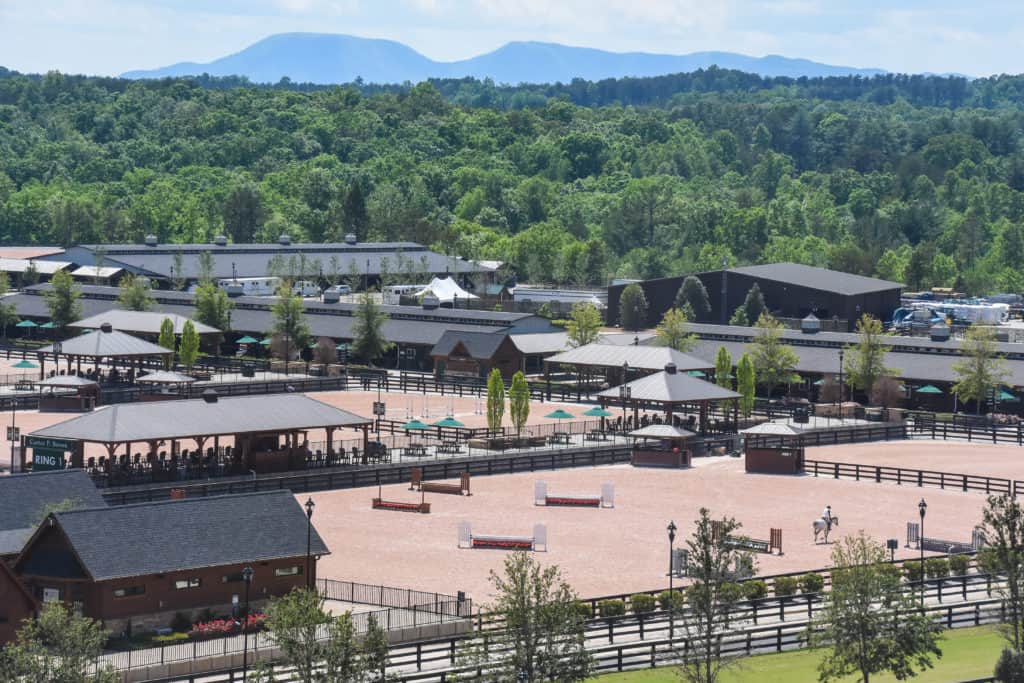
Coming to America: 2018 World Equestrian Games Preview
A fast-growing equestrian epicenter in a North Carolina hamlet prepares to host the 2018 World Equestrian Games.

A fast-growing equestrian epicenter in a North Carolina hamlet prepares to host the 2018 World Equestrian Games.
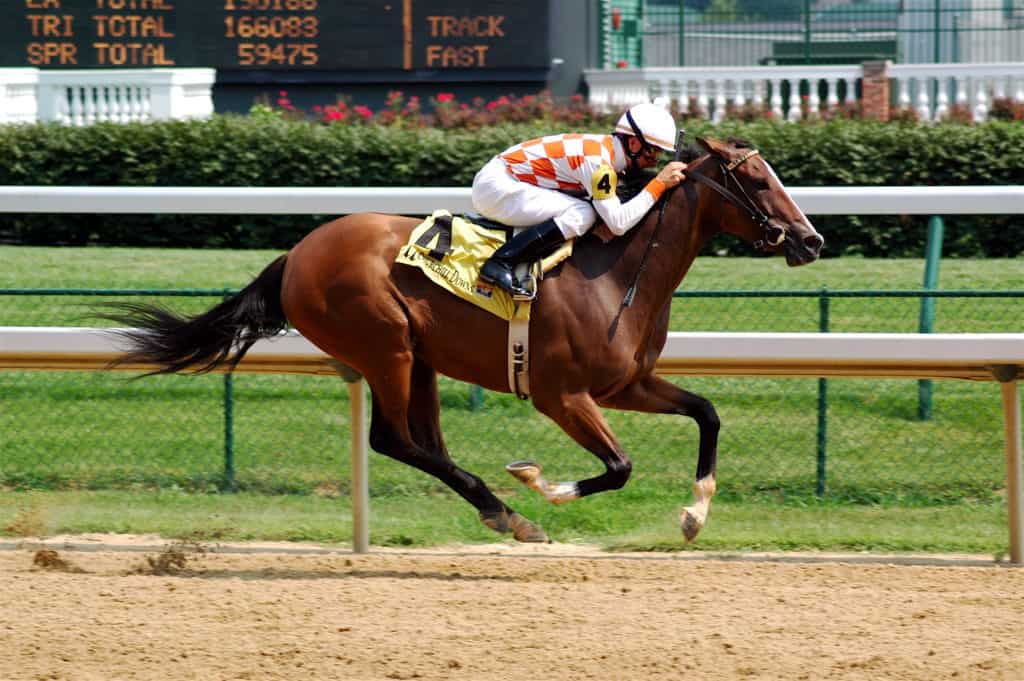
Selective breeding has led to a Thoroughbred uniquely adapted to modern racing’s demands. But it’s also led to inbreeding, and with that has come some less favorable genetic issues.

Researchers are examining inflammatory and anti-inflammatory markers’ efficacy as early indicators for potential catastrophic injuries in racehorses.

Find out how Claire Godwin, DVM, keeps her 27-year-old endurance horse PL Mercury in elite condition, from joint support to conditioning tactics.
Reynolds and Cayucos, a 10-year-old 15.1 hand chestnut Arabian gelding, crossed the finish line at 10:00 p.m. on July 28 to claim her third Tevis Cup victory.
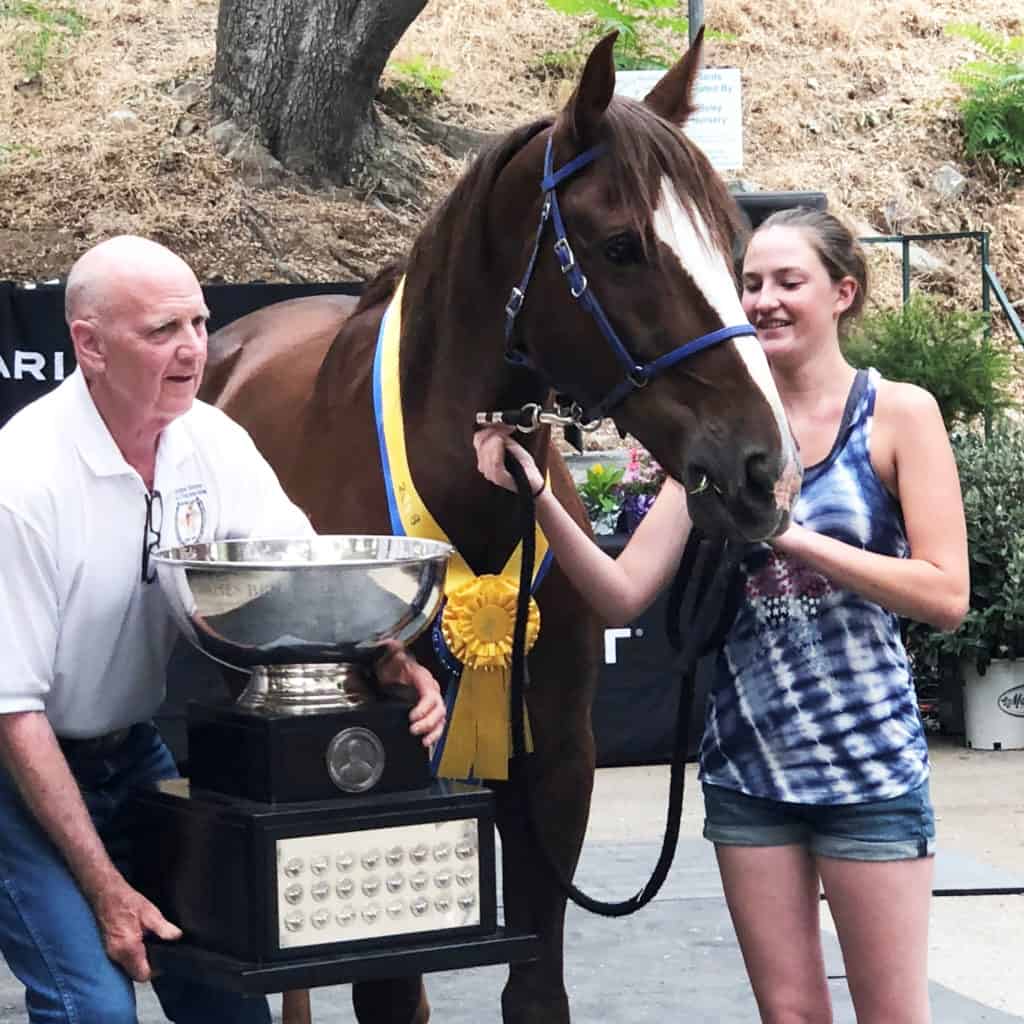
MM Cody, a 10-year-old gelding, is the first Mustang to earn the award, presented to the horse deemed to be in superior condition after completing the 100-mile endurance ride.
The 2018 Tevis Cup endurance ride will start before dawn at 5:15 a.m. on July 28 from Robie Equestrian Park south of Truckee, California. Officials expect more than 150 horses and riders to set out on the 100-mile trail.

The 100-mile ride has long provided a unique opportunity to conduct research on well-conditioned endurance horses working in extreme conditions, and this year is no exception.

Stallions and geldings outperformed mares in one-day and three-day events across several levels in the U.K. However, differences were “slight” and performance was equal across sexes at one level.

The summit, which was organized and underwritten by Grayson-Jockey Club Research Foundation and The Jockey Club, featured discussions on topics ranging from disaster preparedness, jockey injuries, and equine injuries to racing integrity, Thoroughbreds as sport horses, and racing surfaces.
Sessions on pre-race veterinary examinations, documentation, medication rules, and more.

New industry rules intended to improve horse welfare by decreasing whipping frequency might actually go against the principles of operant training and, specifically, negative reinforcement, one equitation scientist says.

Many Thoroughbreds start racing at 2, but Justify didn’t make his first start until he was 3 and won the Triple Crown. Does this mean we shouldn’t start racing horses until they’re older? An equine surgeon and lameness specialist weighs in.

Other topics to be addressed are disaster planning, the Thoroughbred’s versatility as a sport horse, racing surfaces, and more.
Gene doping involves the transfer or modification of genes or genetically modified cells of healthy athletes, human and equine, for nontherapeutic purpose to enhance athletic performance.

Scientists are continuing to uncover which genes are responsible for certain traits in horses.