Dr. Corrine Sweeney to Lead ARCI
Corrine Sweeney, DVM, is one of the authors of the American College of Veterinary Internal Medicine’s 2014 consensus statement on exercise-induced pulmonary hemorrhage in horses.

Corrine Sweeney, DVM, is one of the authors of the American College of Veterinary Internal Medicine’s 2014 consensus statement on exercise-induced pulmonary hemorrhage in horses.

Recommendations include avoiding using bisphosphonates in manners inconsistent with indications of use on the label and discontinuing bisphosphonates use in any horses in training regardless of age, having every jurisdiction employ a full-time equine medical director, and more.

Dr. Angela Pelzel-McCluskey explains why certain populations, such as racing Quarter Horses, might have a higher risk for contracting equine infectious anemia.

Bisphosphonates are FDA-approved for controlling clinical signs associated with navicular syndrome in horses ages 4 and older. Some veterinarians use them off-label to treat other equine bone issues. But could this off-label use be detrimental? One equine veterinarian recently gave a rundown on what research says.

Complete veterinary-record transparency, strict limitations on pain-relieving and/or anti-inflammatory medication/treatment, and banning therapeutic medications or treatments without a qualified veterinary diagnosis from a state-licensed veterinarian are among the agreed-upon initiatives.

Learn about the current challenges of medication regulation and drug testing in the race and sport horse industries.

Finding the cause of 21 equine fatalities at Santa Anita Park, in Arcadia, California, is key to the future of not only the venue but also the horse racing industry in general, says a Kentucky-based scientist investigating the incidents.

On March 5 officials announced that racing and training would be canceled indefinitely so the main track surface can undergo additional extensive testing and analysis.

The conference, scheduled for March 4-5 at Gulfstream Park, will focus on medication, pharmacology, and medication regulation in horse racing.
Saturday’s richly endowed Pegasus World Cup Invitational races at Gulfstream Park showcased winners at contrasting stages of their careers. City of Light romped in his swan song in the $9 million Pegasus World Cup in the slop, while Bricks and Mortar is just getting started after capturing the inaugural Pegasus World Cup Turf worth $6,708,329.

Researchers found no apparent link between previous surgery and catastrophic injury, but they did identify associations with medication use and lameness.

Discord concerning anti-doping, stewarding, and horse age has led to a rupture of the agreement between the FEI, AQHA, and NRHA. But this doesn’t represent the end of FEI reining, and all three parties said they’re open to discussing future agreements.

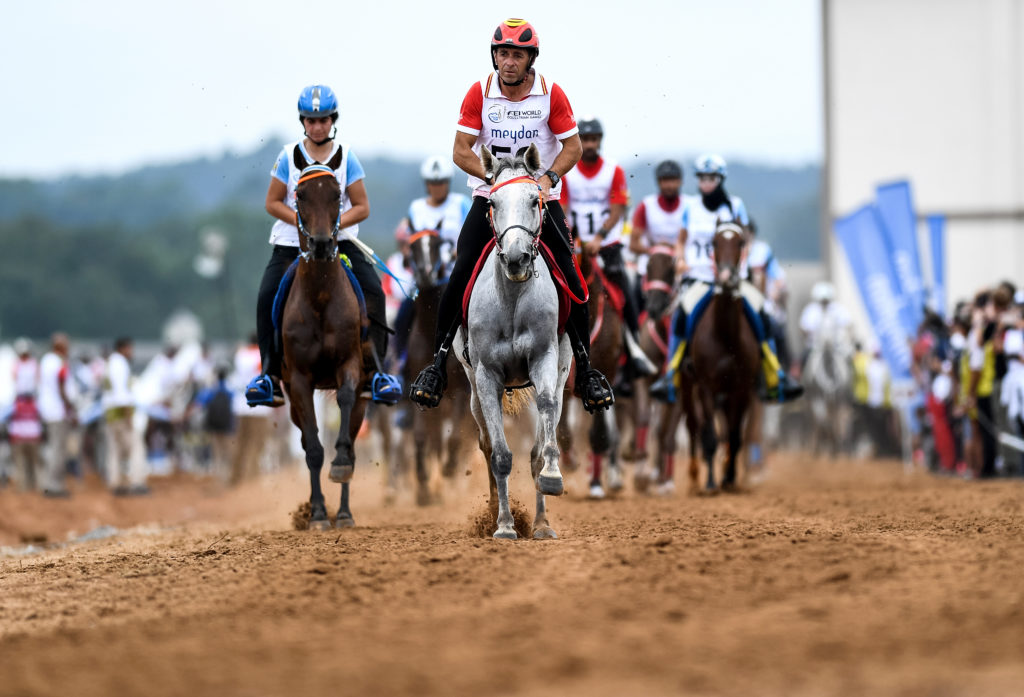
Riding at fast speeds at the start of endurance rides often leads to elimination during veterinary checks, researchers have learned. And while that might seem like common sense, many riders continue to ride too fast in rides’ early stages, one scientists said.

Knowing elimination risk factors can help veterinarians, riders, and trainers make informed decisions to safeguard endurance horse welfare, researchers say.

Among other tasks, the FEI’s temporary committee will review the rules to identify the most effective way of bringing the discipline back to its roots of endurance riding (as opposed to endurance racing), with horse welfare and horsemanship at its core while still maintaining the sport’s competitive aspect.

The BHA reviewed the 2018 Cheltenham Festival following the deaths of six horses during the jump racing event’s four days that of a seventh horse euthanized shortly after due to surgery complications.
Stay on top of the most recent Horse Health news with
"*" indicates required fields