FEI Votes for Changes Affecting Safety, Welfare
Mandatory headgear, banned bitless bridles, imposed endurance rider weights, and frangible device requirements for eventing jumps are among new FEI rules.

Mandatory headgear, banned bitless bridles, imposed endurance rider weights, and frangible device requirements for eventing jumps are among new FEI rules.
The two bodies have differing rules regarding horse age, medication use, and warm-up practices.
The organization has engaged Dr. Larry Bramlage to conduct an independent evaluation of the horse’s hind limb fracture, which resulted in euthanasia after the Classic race.
The 4-year-old drove past 5-2 favorite McKinzie to win, going away by 4 1/4 lengths.
The 6-year-old Argentinean-bred bested heavy favorite Midnight Bisou.

And what difference would it make to the horse if he wins or loses? An equine behaviorist weighs in.
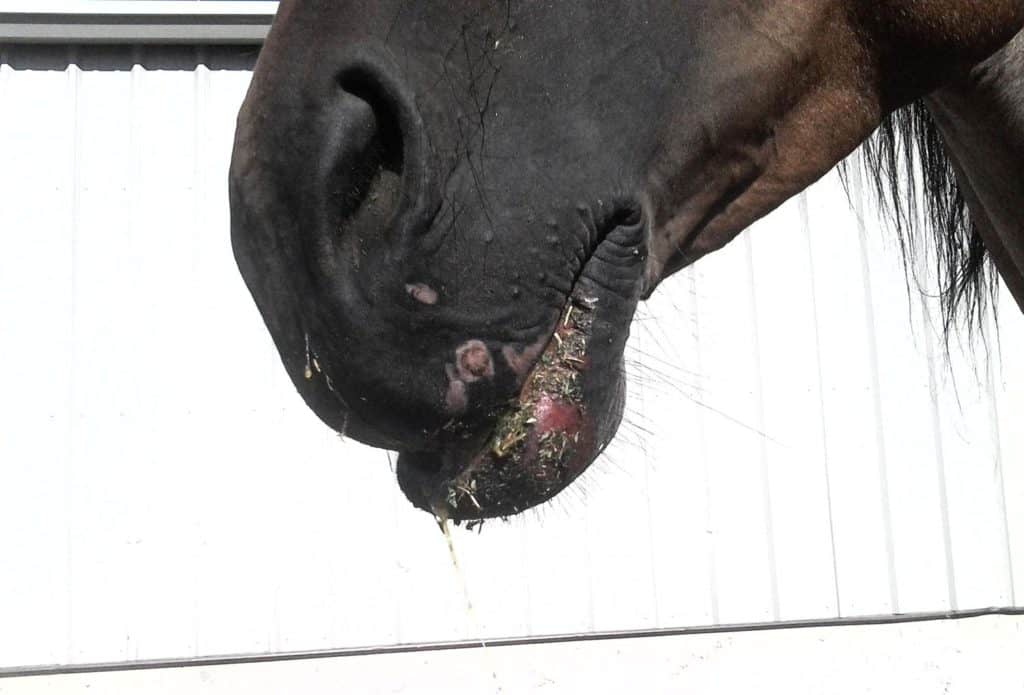
To protect horses and other livestock in Ohio, the state is not allowing the import of horses from counties with confirmed and suspected cases of the highly contagious vesicular stomatitis virus.

Equine researchers recently found that calcium levels return to baseline within five days, suggesting that weekly furosemide administration in racehorses doesn’t lead to long-term calcium losses that might contribute to skeletal injuries.

Discover useful information about an eventing horse’s fitness and ability by looking at these three measurements.

International Society for Equitation Science conference attendees learned about practical applications of scientific studies and discovered new theories about horse welfare and behavior.

Data gathered will help organizers build appropriate facilities and guide athletes on preparing their horses during the Olympic and Paralympic Games.

The 17-year-old gelding finished ninth in the 100-mile Tevis Cup. This was his fifth consecutive Tevis, and he’s never finished out of the Top 10.

The 18-year-old, riding an Arabian gelding found for free in a Craigslist ad, edged out three-time winner Jeremy Reynolds in a race to the finish.

Only about 50% of horses complete the 100-mile endurance race; the rest must be brought safely back to civilization.

Brazil earned a spot at the 2020 Summer Olympics with the win.
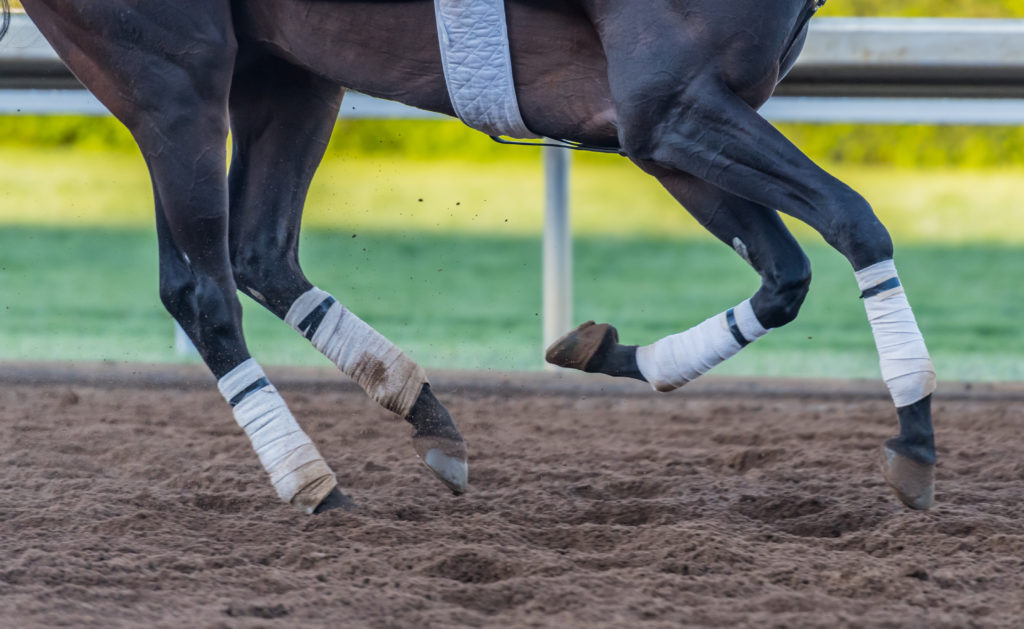
The choice of track surfaces during racehorse training could affect the chances of horses getting seriously injured on race day.