Rombauer Wins the Preakness
Rombauer, who didn’t race in the Kentucky Derby, earned his way into the Preakness by winning the El Camino Real Derby at Golden Gate Fields on Feb. 13.

Rombauer, who didn’t race in the Kentucky Derby, earned his way into the Preakness by winning the El Camino Real Derby at Golden Gate Fields on Feb. 13.

Dr. Scott Stanley of the University of Kentucky describes the challenges conventional drug testing presents and a potential biomarker-based solution.

Medina Spirit’s Kentucky Derby win remains in question after a postrace blood test indicated the presence of a prohibited corticosteroid. The colt’s Derby win marked the seventh for trainer Bob Baffert.
The rider of an Arabian horse whose leg broke during an endurance race in France has been relieved of a 20-year sanction for doping and horse abuse, following the decision of an international appeals court.


Experience might compensate for age at the advanced level, and other findings from a U.K. study of 75,000 horses.

Experts at the American Association of Equine Practitioners’ annual convention talk about medication regulation in the racing industry.
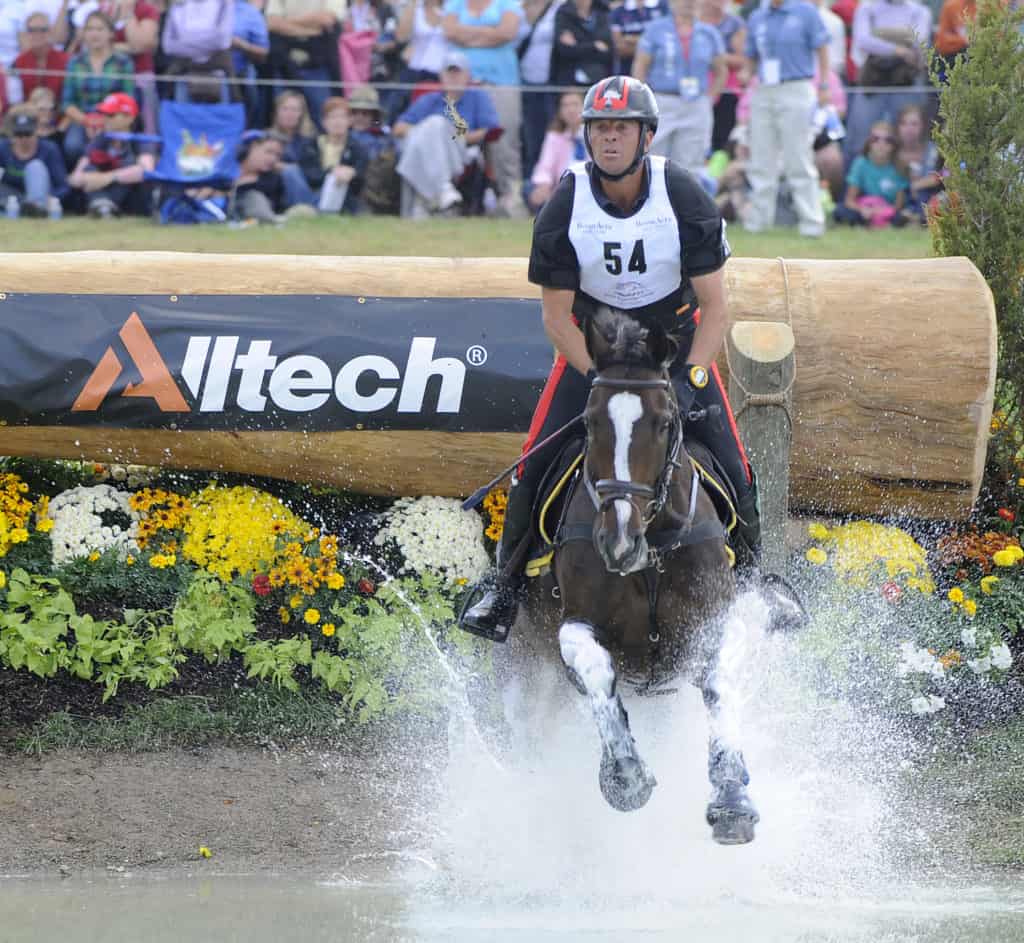
Although horse sports—and three-day eventing in particular—carry inherent risks to both horse and rider, significant safety efforts in recent years have led to safer competitions, according to two sports medicine specialists.

A French study is the first to connect the gut microbiota with the mitochondria in horses, or any other species.

An analysis of EID data shows a decrease in the rate of fatal injury in 2020 compared to 2019.

Safety in Thoroughbred horse racing became a very public concern two years ago when a series of catastrophic breakdowns at Santa Anita Park in Southern California became national news. Veterinarians presented safety measures put in place to protect horses and humans.

Measuring mRNA markers might offer an economical, effective, and noninvasive way to detect horses at risk of catastrophic injury.

The Horse asked researchers and equestrian federation representatives for their takes on the new FEI rule banning shaving of facial vibrissae, which are sensory organs commonly called “whiskers.”

Neither a pandemic nor protesters could stop the tradition of Thoroughbred racing’s best 3-year-olds battling it out down the stretch at Churchill Downs, where Authentic upset favored Tiz The Law to win the 146th running of the Run for the Roses.

Learn about the science behind creating safe racing surfaces from Mick Peterson, PhD, director of the University of Kentucky’s Racetrack Safety Program.
University of Kentucky researchers are working to learn more about the changes happening at a cellular level that might indicate an injury is present before it becomes career- or life-ending.