Racehorse Training, Drug History Needed to Understand Breakdowns
We asked Prof. Tim Parkin about the data the Equine Injury Database collects on catastrophic racing injuries and how the industry could make it even stronger and more useful.

We asked Prof. Tim Parkin about the data the Equine Injury Database collects on catastrophic racing injuries and how the industry could make it even stronger and more useful.

His horse, Princessa, also fell but appeared uninjured.

Researchers worldwide are examining ways to prevent injuries in racehorses; their findings could help prevent issues in sport horses, as well.
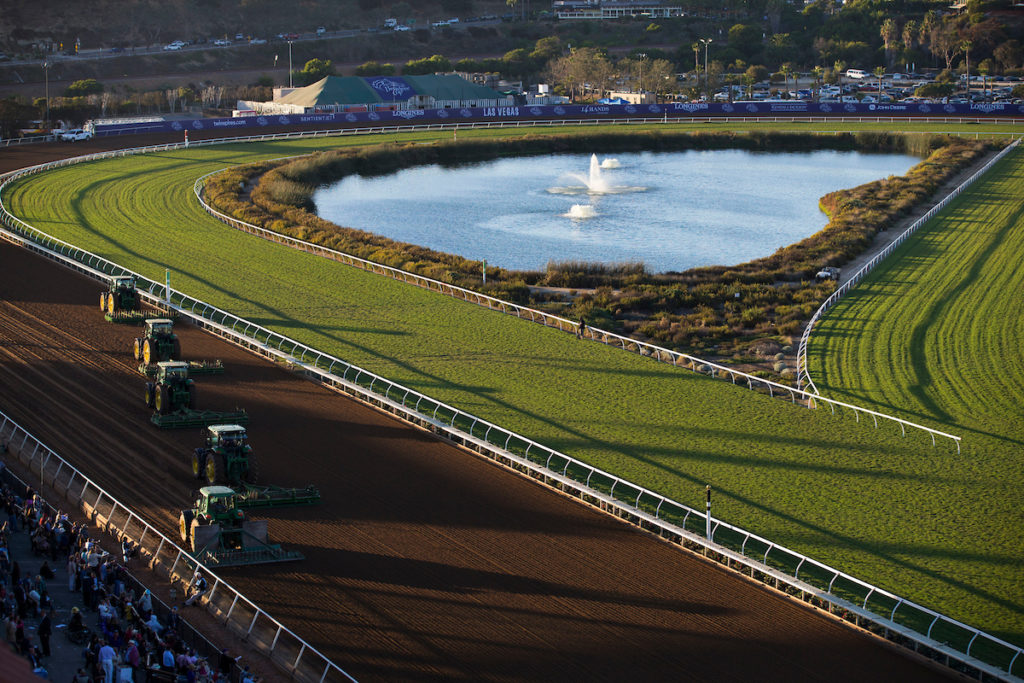
Del Mar’s new safety initiatives include extensive reviews of horses entered to race, stricter medication rules, additional out-of-competition drug testing, and more.

Renowned veterinarians talk catastrophic injury prevention, uniform medication policies, and more in a Translational Medicine Institute video.

The role of a behavior-related gene might explain why some Thoroughbreds start race careers while others don’t, researchers say.

Proposals for research on how bisphosphonates impact racehorses and young racing prospects intended for sale at public auction must be submitted by Oct. 1.

A five-member team of independent CHRB veterinarians and stewards will provide additional review of horses’ medical, training, and racing history and will have authority to scratch horses that do not appear fit to run.
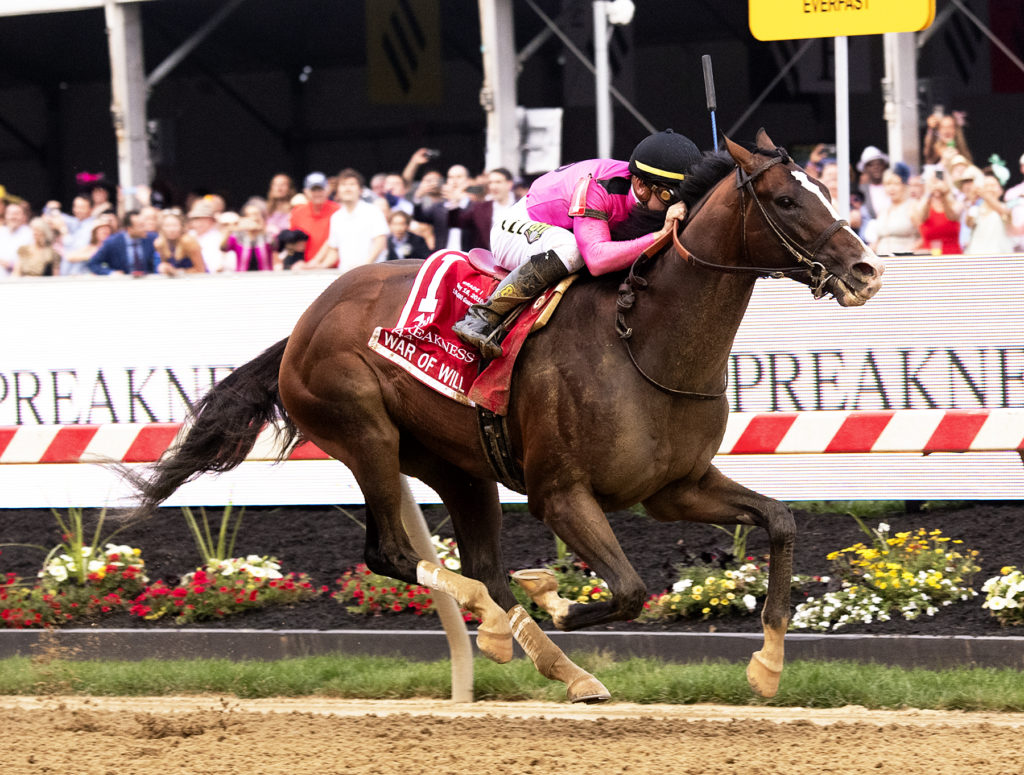
War of Will, who finished eighth in the Kentucky Derby, rebounded with a victory in the 2019 Preakness Stakes.

In a sport where races are won and lost by fractions of a second, subtle problems can have a significant impact on performance. Here’s what veterinarians look for when racehorses aren’t performing at their best.
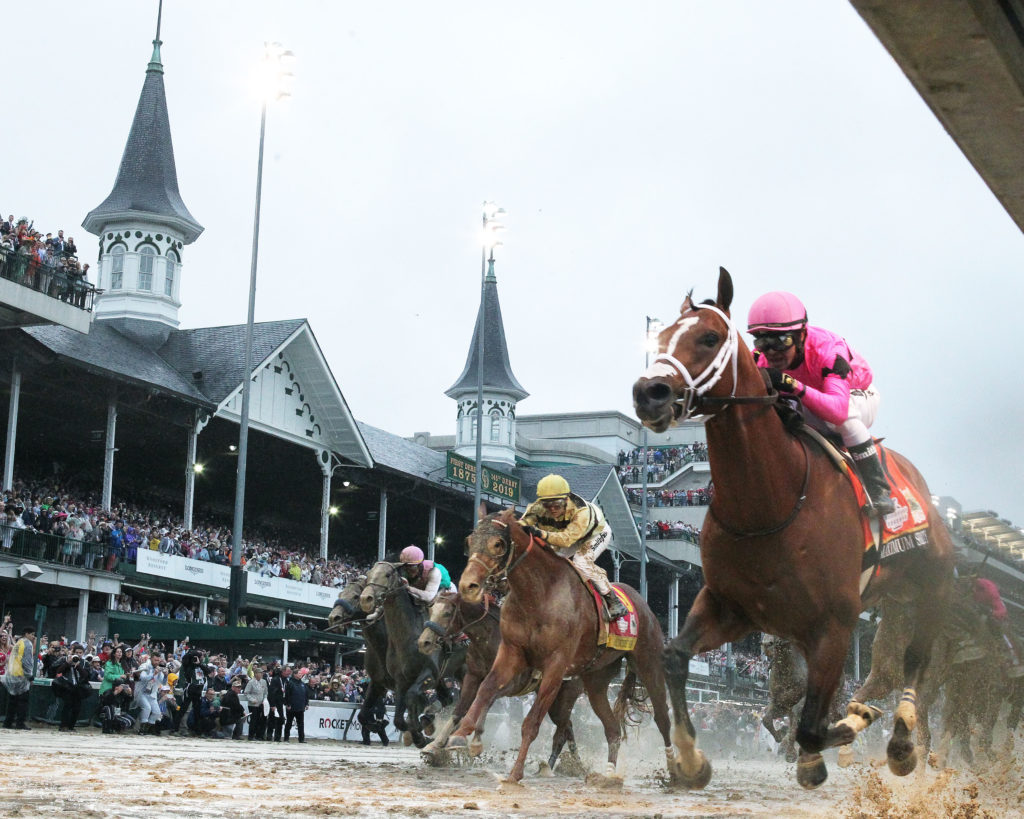
For the first time in Kentucky Derby history, a winner was demoted for an infraction committed during the running of the race. Stewards disqualified front-runner Maximum Security for causing interference and awarded 65-1 longshot Country House victory.
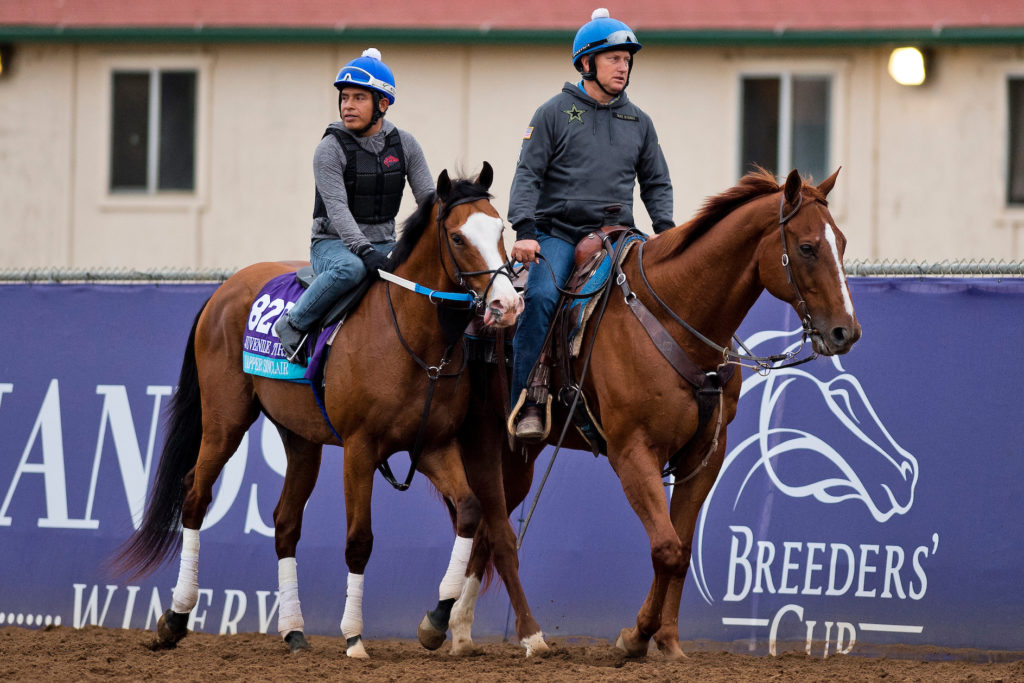
Track ponies, or pony horses, play important roles both on training and race days.
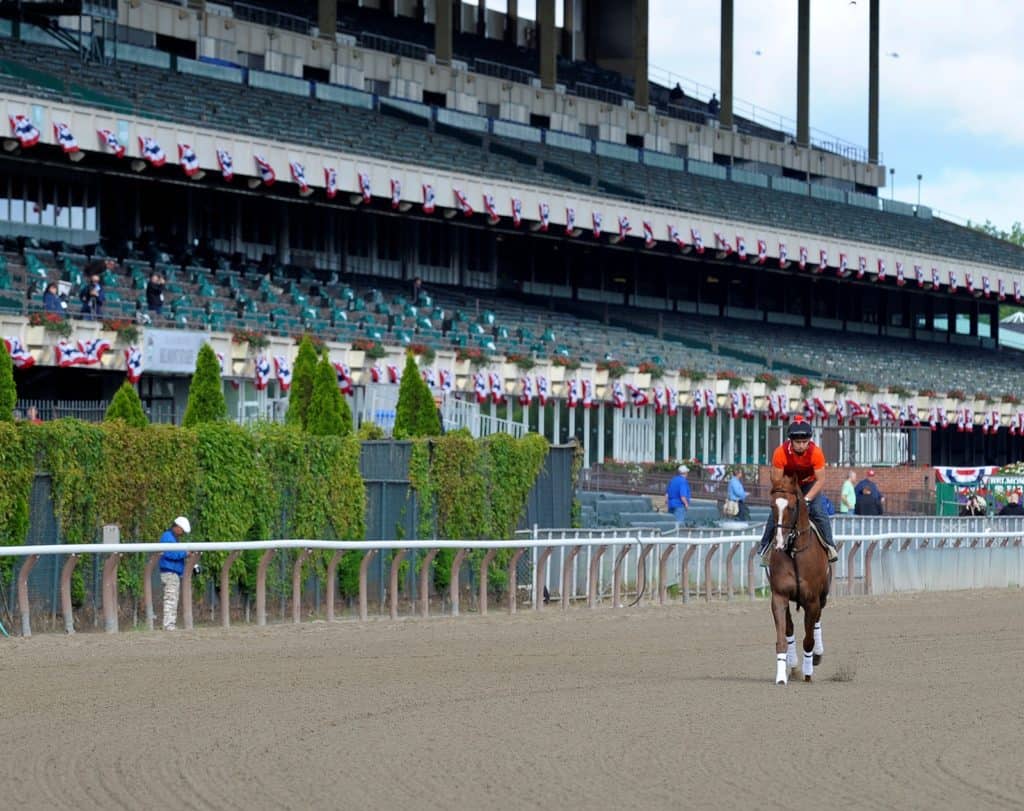
A variety of initiatives on racing surfaces, race-day scrutiny, and more are in place at all three NYRA tracks—Aqueduct Racetrack, Belmont Park, and Saratoga Race Course.
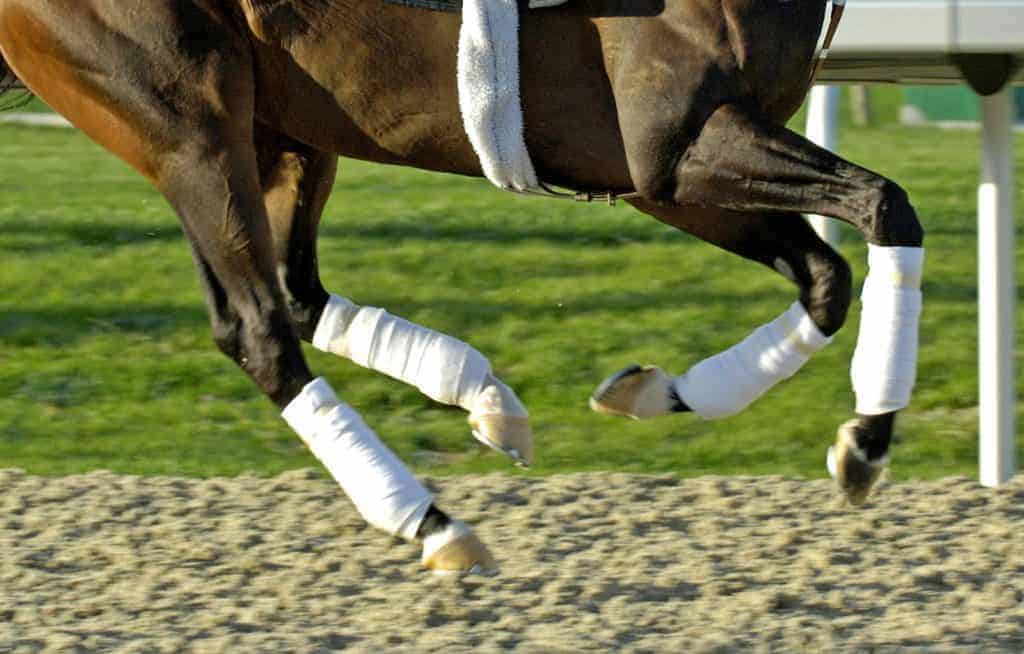
Drs. Mick Peterson and Wayne McIlwraith weigh in on what we’ve learned about racing surface safety, issues currently at hand, and what the future could bring.

The ground jury and veterinary delegate accepted 41 horses during the first horse inspection for the 2019 Land Rover Kentucky Three-Day Event. Here are some sights from the jog lane.
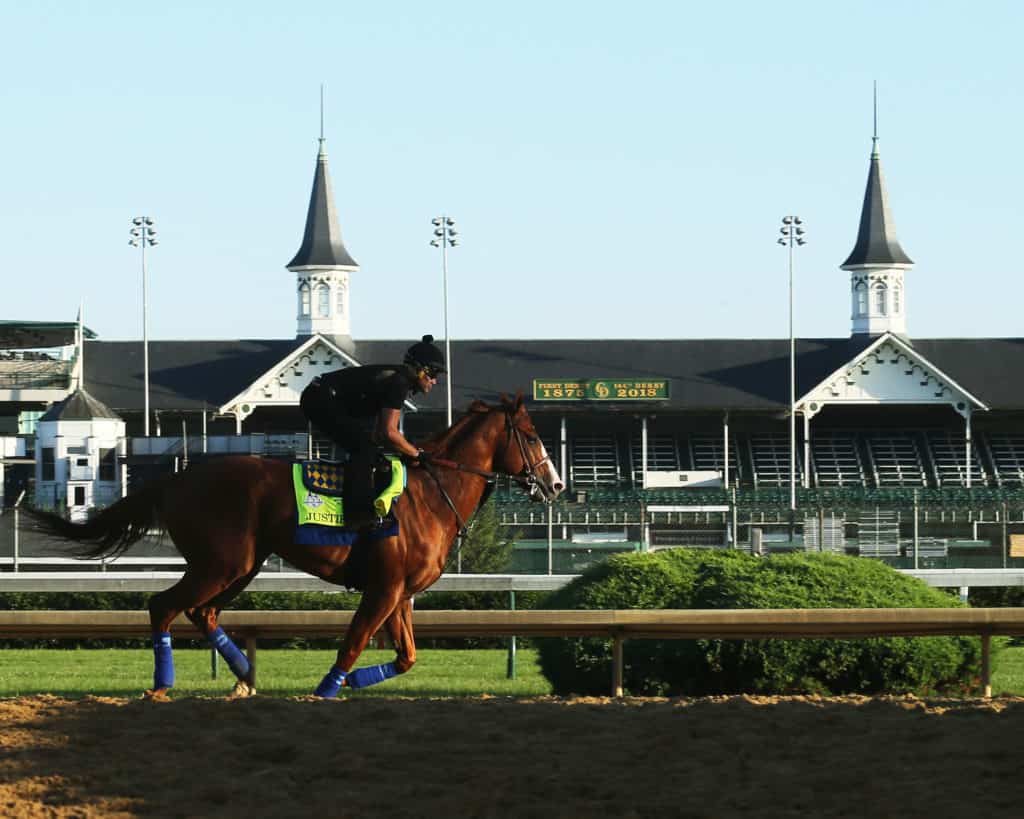
Initiatives include building an equine medical center and quarantine facility on the Louisville, Kentucky, racetrack’s backside, hiring an equine medical director, and more.