Stop the Bleeding
As prevalent as EIPH is, we still don’t fully understand this potentially performance-limiting condition; here’s what scientists are trying to find out.

As prevalent as EIPH is, we still don’t fully understand this potentially performance-limiting condition; here’s what scientists are trying to find out.

Kentucky Derby and Dubai World Cup-winning trainer Graham Motion shares some thoughts on Thoroughbred racehorses and second careers.
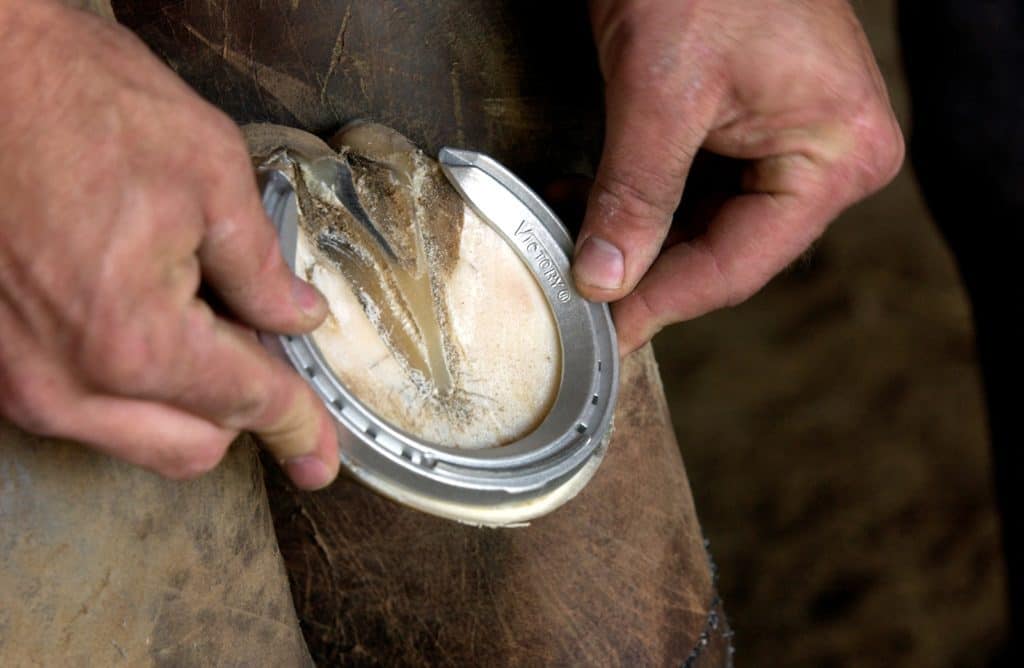
To help your Thoroughbred perform to his potential, tailor his hoof care to his specific age, needs, and job.

Medication regulations for racehorses are changing. Here’s what you need to know.
The court declined to review a ruling overturning a suspension imposed on equine vet Rodney Stewart, DVM.

Truesdail will analyze all urine and blood specimens taken from horses competing at Maryland races.

Scoping yearlings and significant findings in radiographs were among the major topics covered.

Stakeholders are learning how difficult it can be to achieve uniformity, even with basic regulations.

How does a suspensory injury impact a racehorse’s performance? It depends on the severity of the injury.
Industry stakeholders met Jan. 30 for an update on adoption of uniform medication and drug testing rules.

Learn about St Nicholas Abbey’s battle with a fracture that was ultimately ended by a severe bout of colic.

One of the most common sites of catastrophic injuries in Thoroughbred racehorses is the fetlock.
Some attendees suggested questionable studies might be the basis for some medication policies.
McKeever’s research focuses on performance-enhancing practices on the equine athlete’s physiologic responses.
On Jan. 30, two speakers will discuss inflammatory airway disease.

The two-day workshop brings together a cross-section of the breeding, racing, and veterinary communities.