On June 3, 2026, the U.S. Department of Agriculture (USDA) confirmed New World screwworm (NWS) in a 3-week-old calf in Zavala County, Texas. While no additional cases have been identified, the detection marks the pest’s expansion into the U.S. and prompted an immediate response from federal and state animal health officials. Because screwworm larvae can infest horses, humans, and other animals, veterinarians and horse owners should be familiar with the risks and signs of infestation.
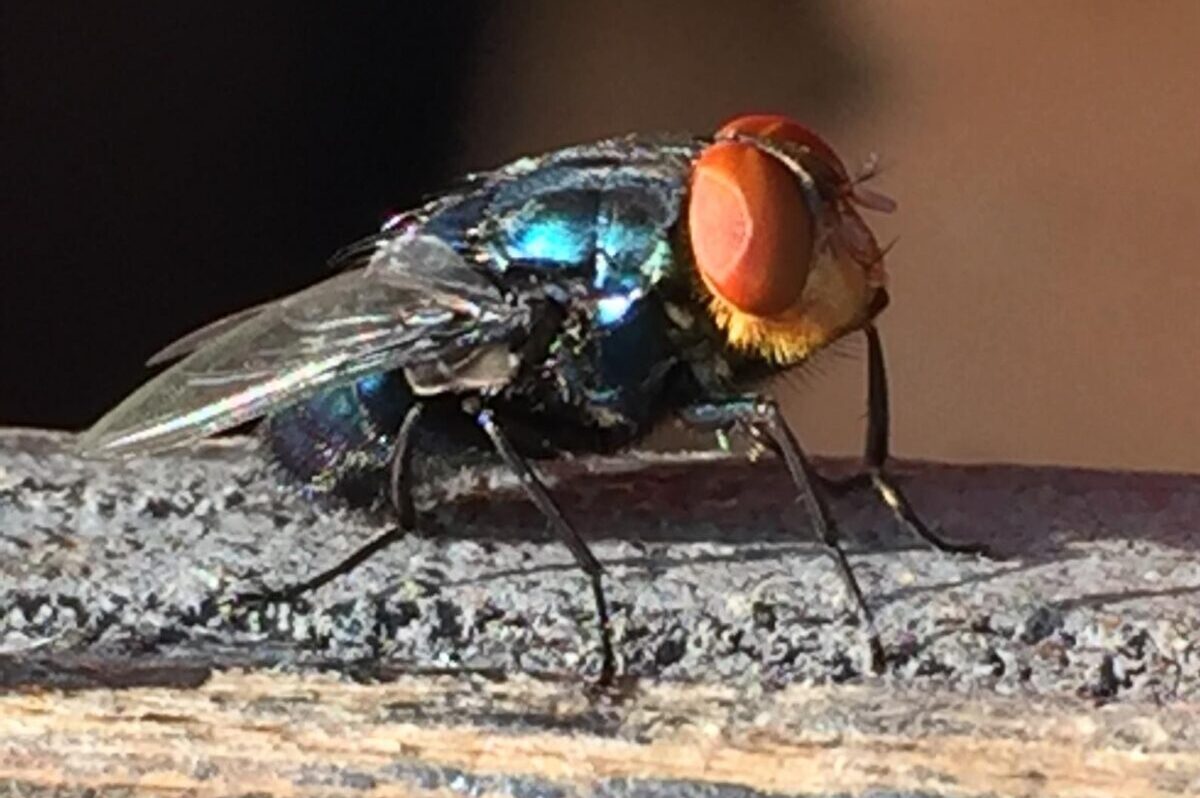
New World screwworm affects warm-blooded animals, including horses, cattle, wildlife, pets, and humans. Unlike many fly larvae that feed on dead tissue, screwworm larvae feed on living flesh. Adult flies lay eggs in open wounds or body openings, and the emerging maggots burrow into tissue. Infestations cause severe pain, extensive tissue damage, and foul-smelling wounds that attract more flies, and wounds often contain larvae at different stages. Early detection remains critical for horse owners. Without treatment, infestations can worsen quickly and attract additional flies to lay eggs. Larvae that drop from wounds can pupate in the environment and develop into adult flies, contributing to the pest’s spread.
USDA and Texas officials have begun containment and eradication efforts in the affected area. Their response includes establishing a 20-kilometer infested zone around the detection site, implementing quarantines and movement controls, increasing surveillance, and expanding sterile fly releases (biological control).
Protecting Your Horse From New World Screwworm
Horse owners can help protect their animals by inspecting them daily for cuts, wounds, drainage and foul odors from those lesions, or reduced appetite and weight loss, which can be a result of discomfort caused by infection. Veterinarians and researchers recommend cleaning and protecting even minor wounds promptly because screwworm flies seek out areas where they can deposit eggs. Consistent fly control and good stable hygiene can also reduce risk.
Owners, especially those along the U.S. southern border, should contact their veterinarian immediately if a wound deteriorates rapidly, develops a foul odor, or contains maggots. The USDA also encourages livestock and pet owners in affected areas to monitor body openings, including the ears, nose, genitalia, and (in newborn animals) navels, for signs of infestation.
Take-Home Message
The USDA confirmed a case of NWS in a Texas calf on June 3, 2026, prompting immediate containment and eradication efforts. Because screwworm larvae can infest horses and other warm-blooded animals through wounds and body openings, horse owners should practice diligent wound care, maintain effective fly control, and contact their veterinarian immediately if they notice foul-smelling wounds or maggots.