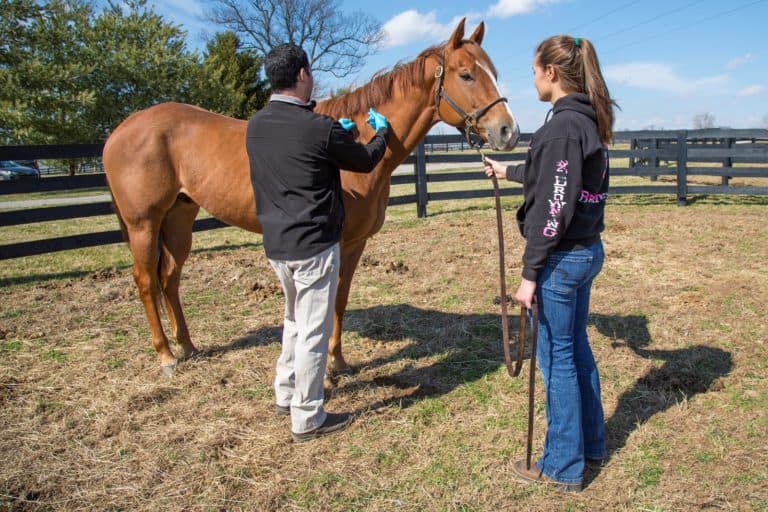
Thoroughbred Racehorse Fatal Injury Rate Increased Slightly in 2017
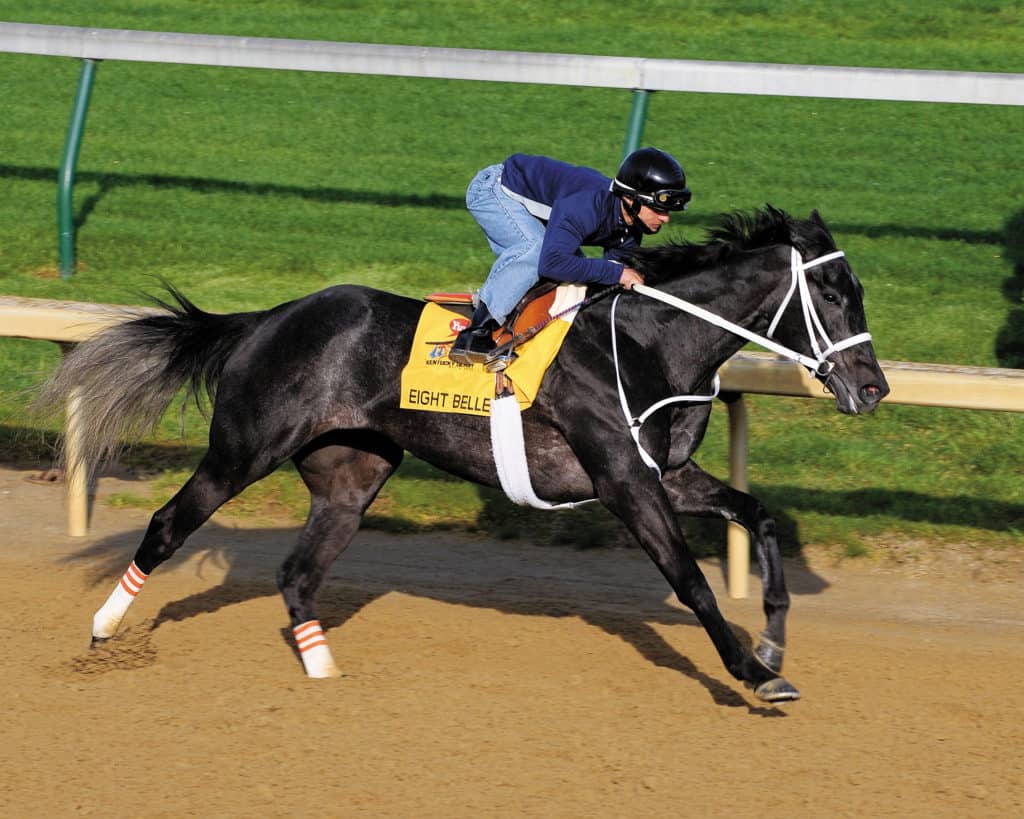
Equine Injury Database statistics revealed a modest increase in 2017 (1.61 per 1,000 starts) compared to 2016 (1.54 per 1,000 starts).

Equine Injury Database statistics revealed a modest increase in 2017 (1.61 per 1,000 starts) compared to 2016 (1.54 per 1,000 starts).

The more data vets have on the injuries Western horses experience, the more they can do to try to rehabilitate or prevent them, one practitioner says.

Researchers are examining the rate of injury and illness in North American 2-year-old Thoroughbreds in training.

This is the second article in a series looking at how researchers test and maintain equine competition surfaces worldwide.

Researchers hope that, one day, they’ll be able to identify at-risk horses and intervene before a catastrophic breakdown occurs.

A look at racing ethics could help researchers and industry members acknowledge rightful concerns from a well-meaning public, help resolve misconceptions, and contribute to better equine welfare.

Instead of causing foot pain directly, rear hoof imbalances seem to cause more problems higher up the leg—to the hocks, stifles, glutes, and sacroiliac joint, one vet says.

This research could help riders select dressage mounts to ensure their ability to perform the required movements while maintaining soundness.

Learn about keeping OTTBs healthy and happy as they move into new disciplines. We’ll cover feeding, vet care, handling, and more!

Do you have a mature or senior horse? Find out how to keep him comfortable and competitive as he ages!

Your horse is wounded, bleeding, or critically ill: What should you do? Get advice from our expert!

A look at three of the most common tendon and ligament injuries in horses and how to treat them.

Bringing a horse back to work after injury takes time, patience, and often the guidance of trusted professionals. Learn about management techniques and new therapy options that can help horses heal.

From feeding and training to shoeing and warm-up protocols, learn how to keep your dressage horse fit to perform.

Learn why magnetic resonance imaging (MRI) considered the “gold standard” for diagnosing equine lamenesses and get your questions answered about how MRI can help your horses during this live event.

Have you ever wondered how a veterinarian would train and develop a horse? Find out from a veterinarian who’s also a Grand Prix dressage trainer and clinician.
Stay on top of the most recent Horse Health news with
"*" indicates required fields