NTRA Safety and Integrity Alliance Updates Code of Standards
The changes encourage governing jurisdictions to adopt RMTC criteria pertaining to official drug testing laboratories.

The changes encourage governing jurisdictions to adopt RMTC criteria pertaining to official drug testing laboratories.

From vets stuck in city traffic to vexing ventilation issues, urban-dwelling horse owners deal with unique challenges.

What’s the difference between osteoarthritis and other types of arthritis?

Your vet might choose to inject your horse if his joints require direct treatment due to disease, inflammation, or pain.

Regenerative medicine is opening doors to new and improved therapeutic options for equine musculoskeletal injuries.

You might be surprised to find out with this introduction to GMOs.
The code is a broad set of principles designed to establish good equine welfare procedures for industry organizations.

Knowing if sleep patterns affect performance could prompt interest in sleep as an important horse management factor.
Speakers will discuss different aspects of feeding high-performance horses March 24 in Hunt Valley, Maryland.

Improved diagnostics and more promising treatments are putting many foot-sore horses back to work.
The TAA awarded more than $2.4 million in grants to 42 accredited Thoroughbred aftercare agencies in 2014.

From managing joint health to nutrition and dental issues, learn how to help your old horse conquer the cold.
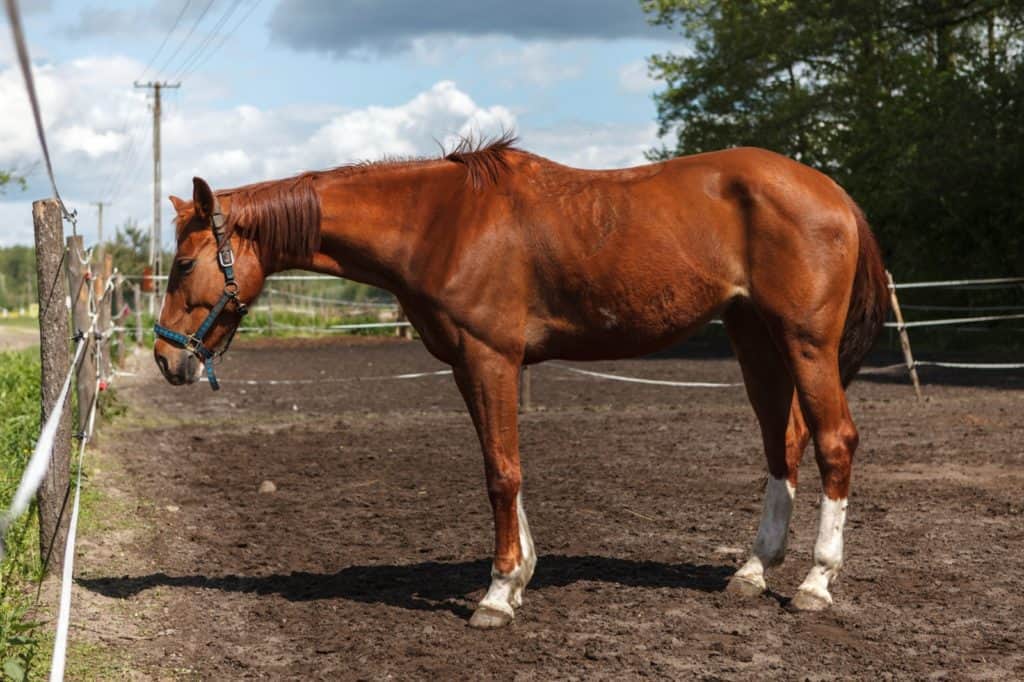
My 25-year-old Thoroughbred has had trouble keeping weight on after a stroke. How can I help him?
Bourbon Lane will receive the Allaire duPont Leadership Award and the TIP will receive the TCA Industry Service Award.

Scientists found that two blood tests were able to distinguish between healthy horses and those with myocardial disease.

Of the 457 poll respondents, 139 (30%) said they go to their equine veterinarian first for nutritional information.