Researchers Examine Fatal Lumbar Vertebral Fractures
Researchers found pre-existing abnormalities in all horses with lumbar vertebral fractures that underwent a necropsy.

Researchers found pre-existing abnormalities in all horses with lumbar vertebral fractures that underwent a necropsy.

Testing for and identifying which horses could potentially be affected by genetic conditions is important not only for buyers and breeders but also for the overall health of the breed itself.

Veterinarians use equine rehabilitation to restore the normal function following injury while reducing clinical signs and restoring range of motion.
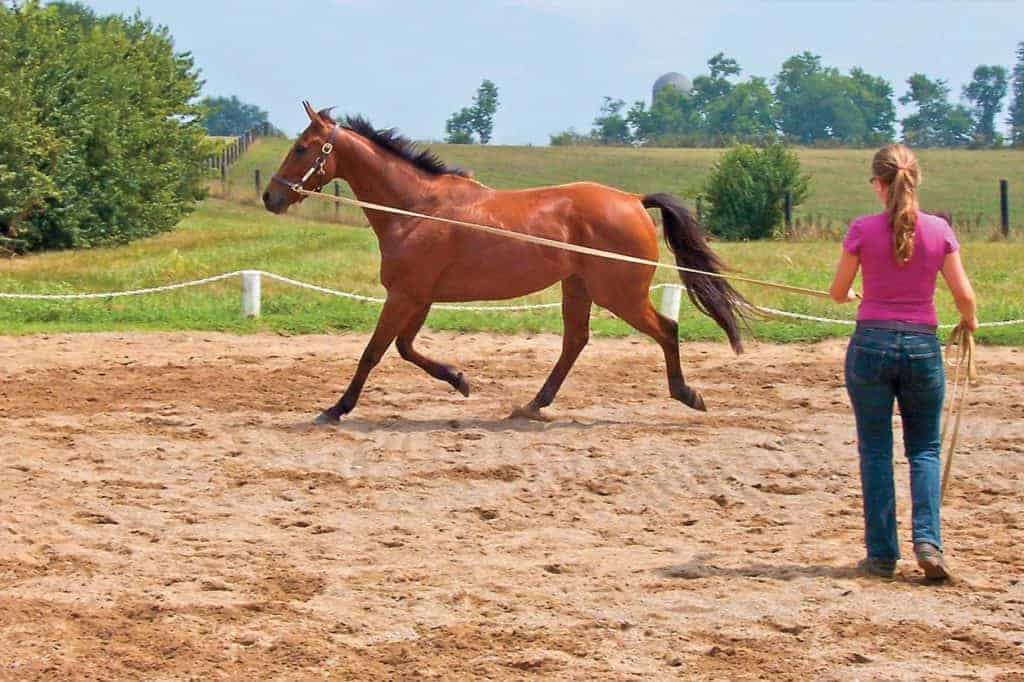
Find out what kind of physical exercise might help improve a horse with equine protozoal myeloencephalitis.

If our goal is to produce horses that are athletically talented and sufficiently resilient to withstand maximal competitive efforts, there is no substitute for a natural upbringing with full-time turnout on varied terrain.

As prevalent as EIPH is, we still don’t fully understand this potentially performance-limiting condition; here’s what scientists are trying to find out.
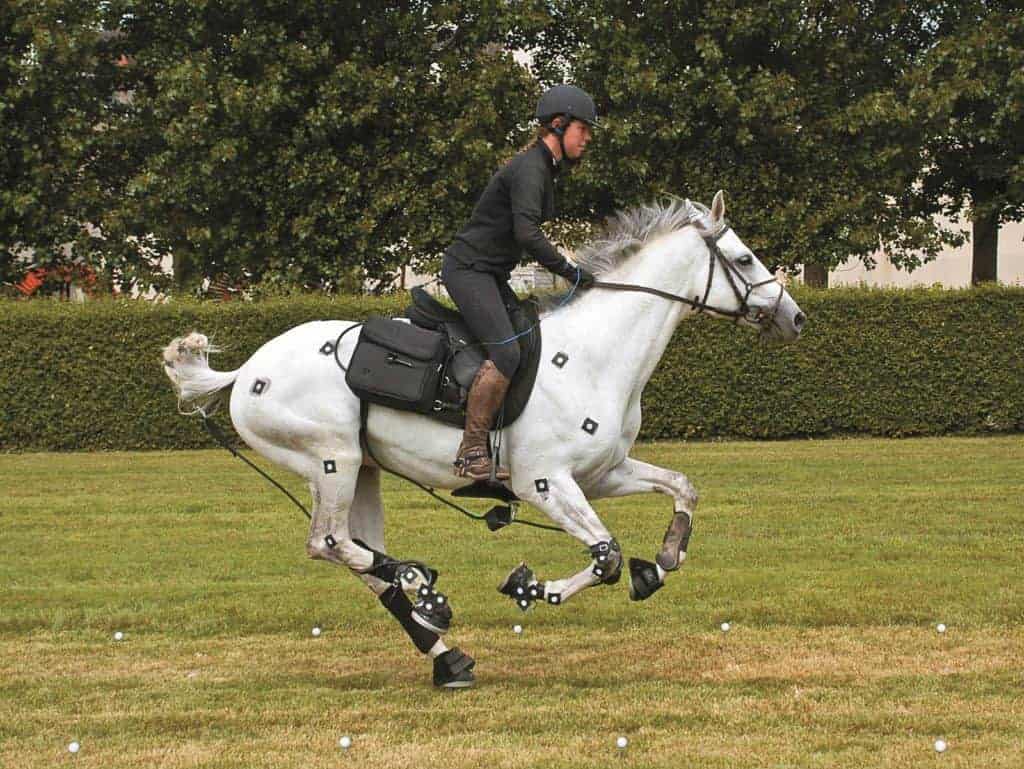
Join two internationally acclaimed equitation science researchers to find out how this growing field of study can improve equine welfare, as well as you and your horse’s relationship.

Dr. Clair Thunes defines the differences between grains, concentrates, and complete feeds for horses and explains how much a horse needs.

From feeding and training to shoeing and warm-up protocols, learn how to keep your dressage horse fit to perform.

Find out how dynamic mobilization, core strengthening, and balancing exercises can help stabilize the horse’s spine and the fore- and hind limbs’ attachment to the body.

During exercise skin temperature under boots or wraps increases significantly–in a recent study sometimes more than 30%. Whether that leg temperature increase is good or bad, though, remains to be determined.

Do all the supplements, concentrates, and forages on the market have you confused about what’s best to feed your horse? Learn what your horse really needs to eat from equine nutritionist and consultant, Dr. Clair Thunes.

When it comes to diagnosing a horse’s lameness, the veterinarian’s eyes are no longer the ultimate diagnostic machine. Learn about scientific advancements that are helping veterinarians better assess lameness in horses.

Shock wave is a noninvasive, nonsurgical therapy for orthopedic conditions. Learn how it can help your horse.

Learn how to safely take your horse from flabby to fit step-by-step with our visual guide.
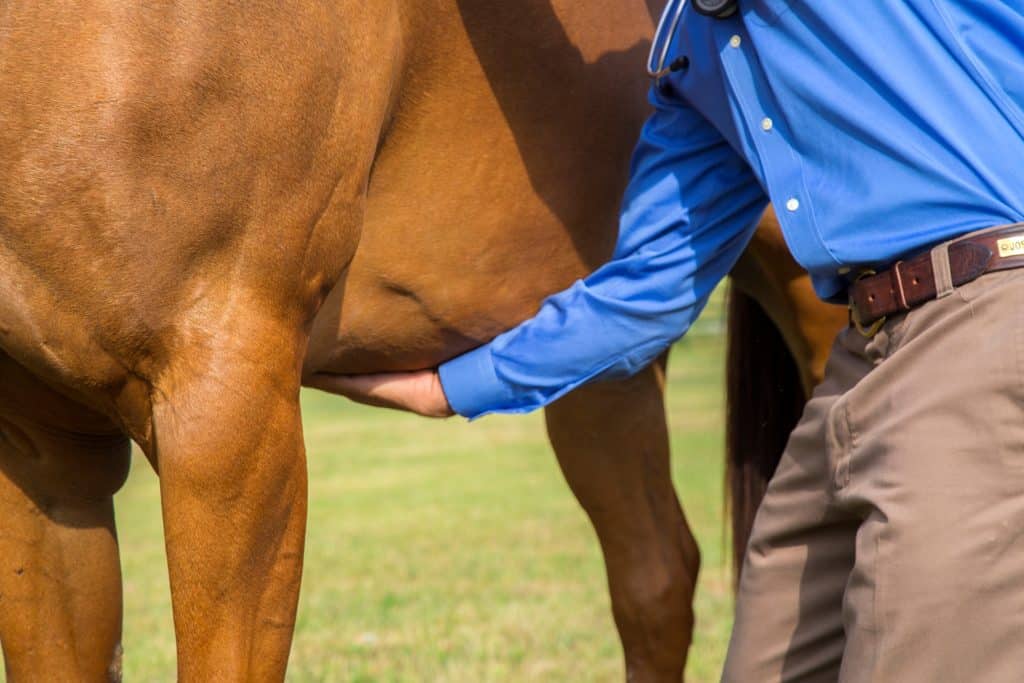
Horses don’t pass or fail prepurchase exams. Instead, the exam is intended to give you a snapshot of the horse’s overall health and provide information so you can make a sound buying decision about whether the horse is suitable for your needs.