EHV-1 Threat Cuts Park Stud’s Breeding Season Short
Due to the recent EHV-1 outbreak at Woodbine, Park Stud has concluded the breeding season for its stallions.

Due to the recent EHV-1 outbreak at Woodbine, Park Stud has concluded the breeding season for its stallions.
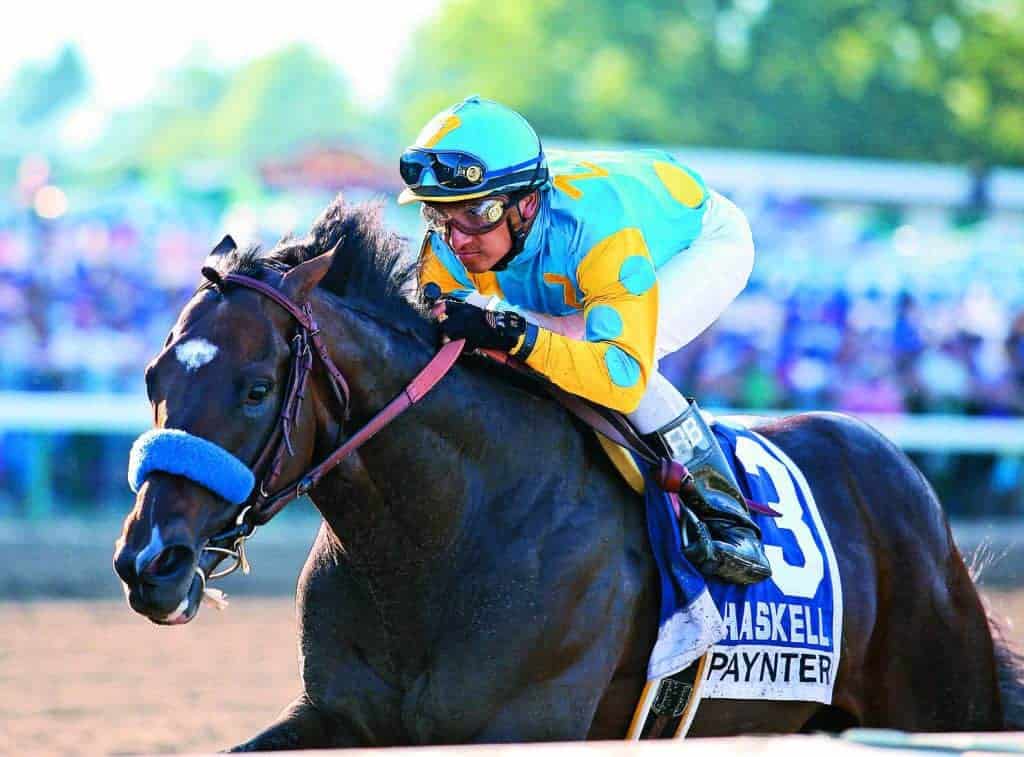
Paynter, who overcame a serious illness, will return to the races later today in California.
Officials determined that zilpaterol found in tests from 12 racehorses originated from contaminated feed.
The measures would allow the state to take action quickly when faced with emerging illegal substances.
Point of Entry suffered a condylar fracture in his left hind cannon bone and will have surgery.
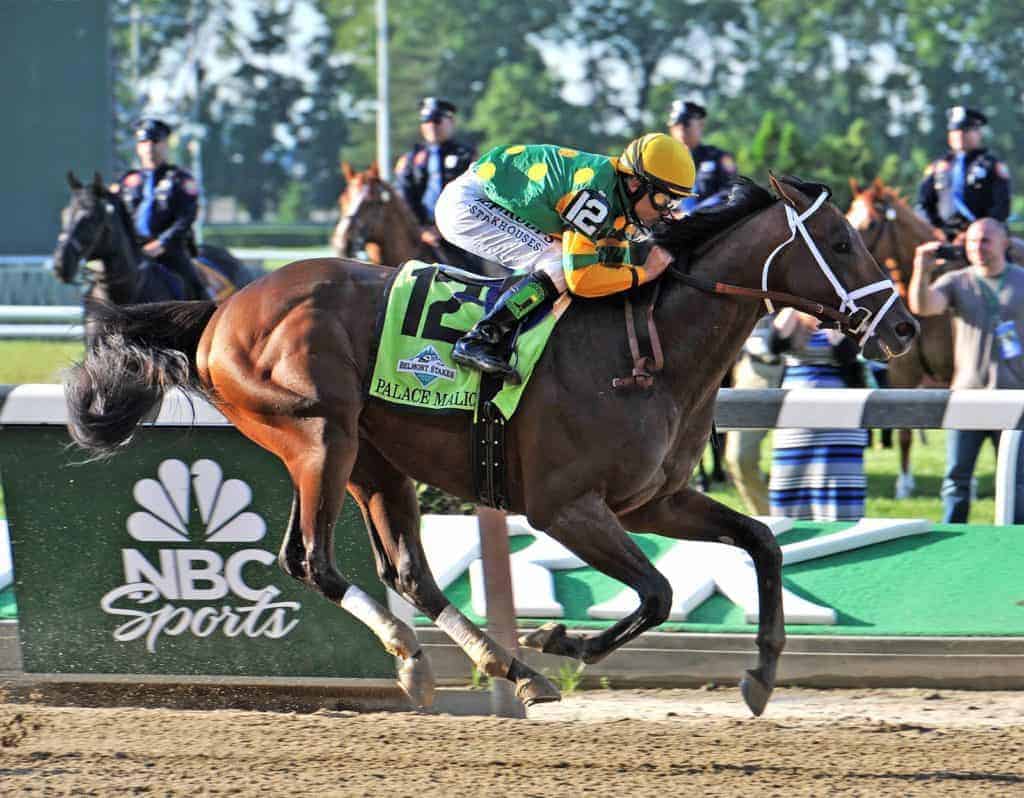
Palace Malice dominated the stretch run to post a convincing upset win in the 2013 Belmont Stakes.
A British racehorse trainer has been charged with administering anabolic steroids to nine of his racehorses.
Plans to implement a points-driven penalty system for equine medication violations are moving forward.
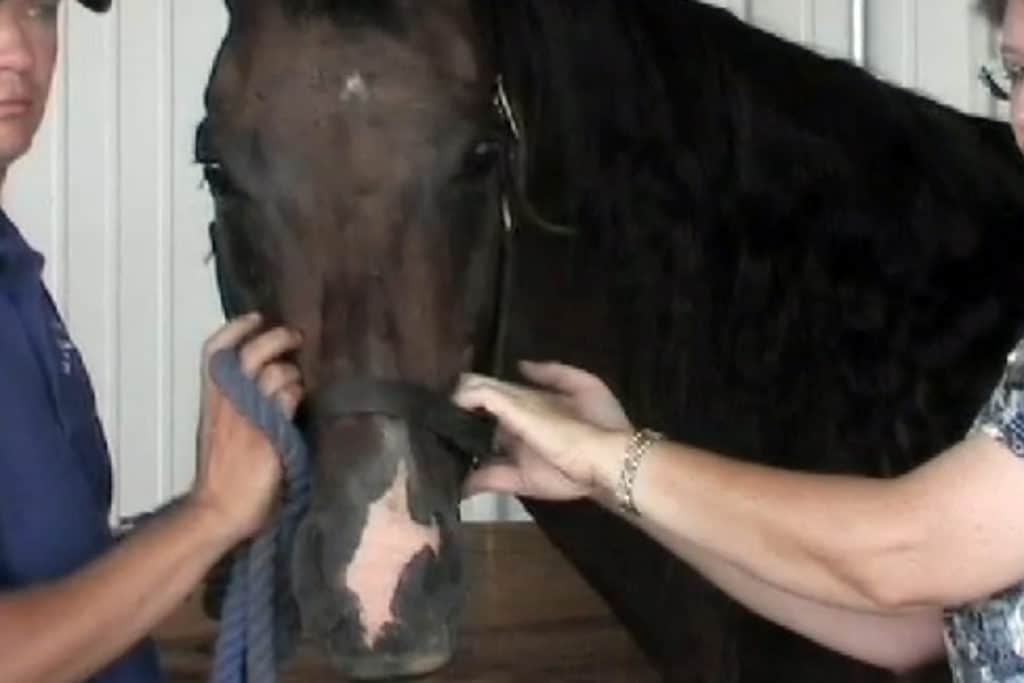
Dr. Scott Palmer explains how vital signs are used to monitor racehorses during and after training.
Horse racing interests said June 6 Florida officials won’t appeal a ruling on pari-mutuel barrel racing.
Survey results show the adoption of RCI’s uniform medication policy for racing is advancing nationwide.
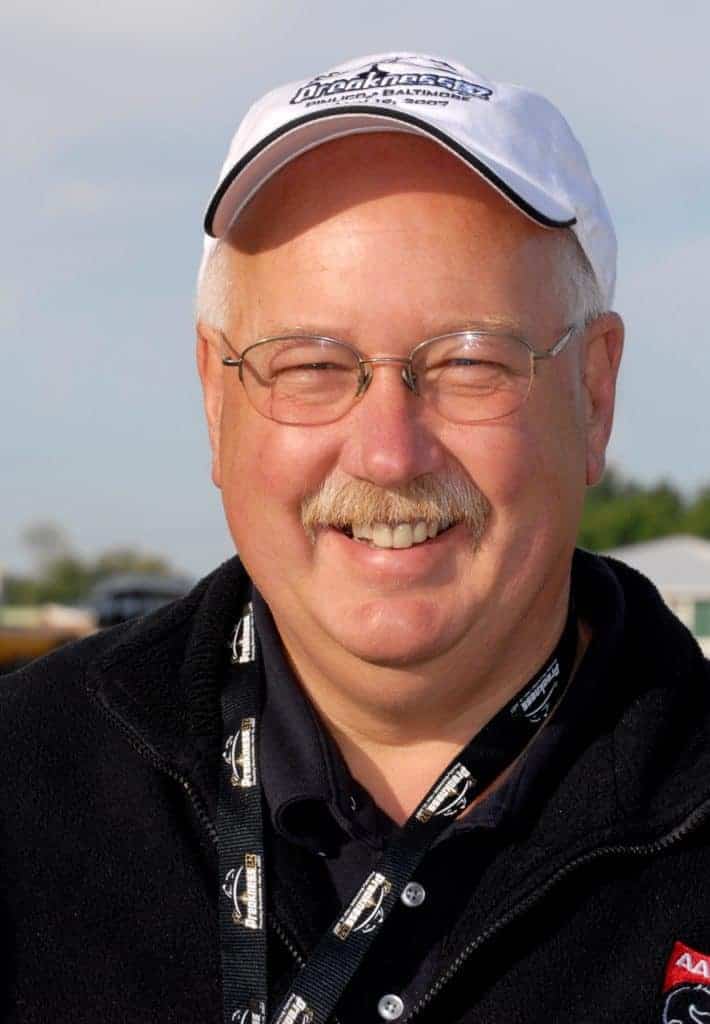
Larry Bramlage, DVM, MS, Dipl. ACVS, will serve as the AAEP On Call veterinarian the June 8 Belmont Stakes.

Caring for Miniature Horses is similar to managing big horses–they need good nutrition, housing, farriery, and vet care. However, these tiny equids do require some special considerations, too.

The number and severity of lesions present could impact a horse’s future racing performance.
Gerard Butler will be charged for using the drug Sungate, which contains the anabolic steroid stanozolol.

Horses receiving Salix had difficulty replenishing their calcium levels 72 hours after drug administration.