Final Breeders’ Cup Contenders Arrive in California
The final contingent of Breeders’ Cup runners arrived at Santa Anita Park Oct. 31 after Hurricane Sandy.

The final contingent of Breeders’ Cup runners arrived at Santa Anita Park Oct. 31 after Hurricane Sandy.
Some tracks across the Northeast suffered some damage and power outages as a result of Hurricane Sandy.

The donation was made via the Breeders’ Cup’s new “Text to Donate” to Thoroughbred aftercare campaign.
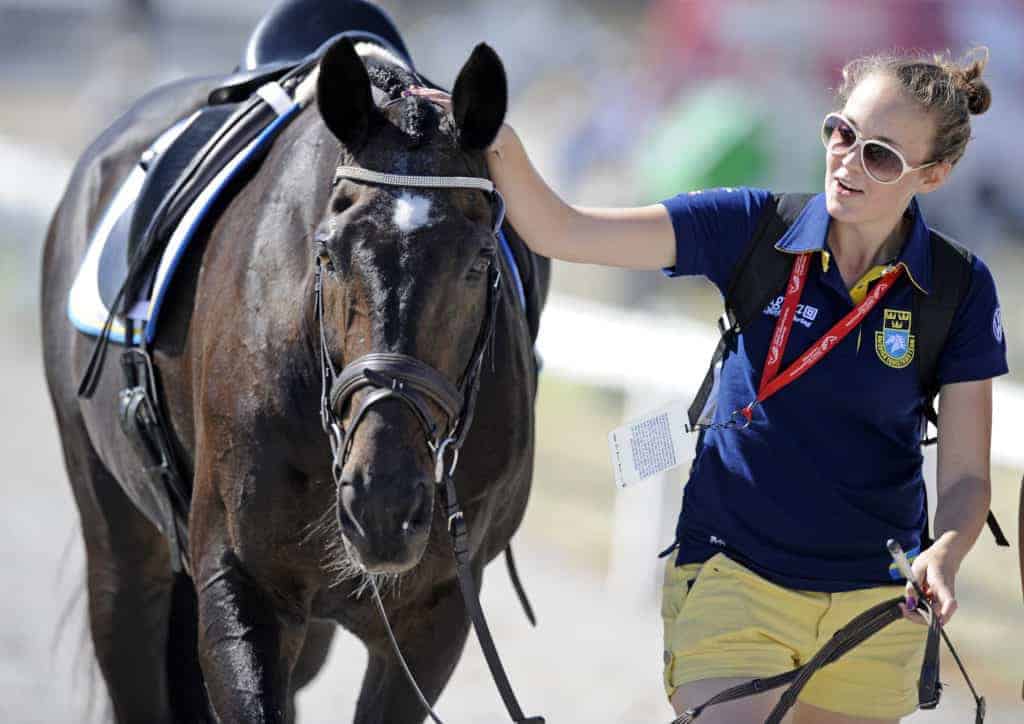
Paying attention to horses’ psychological factors is key to ensuring success in work and mental well-being.

Chris Newton, DVM, and Scott Morrison, DVM, will present lectures related to sport horse health.
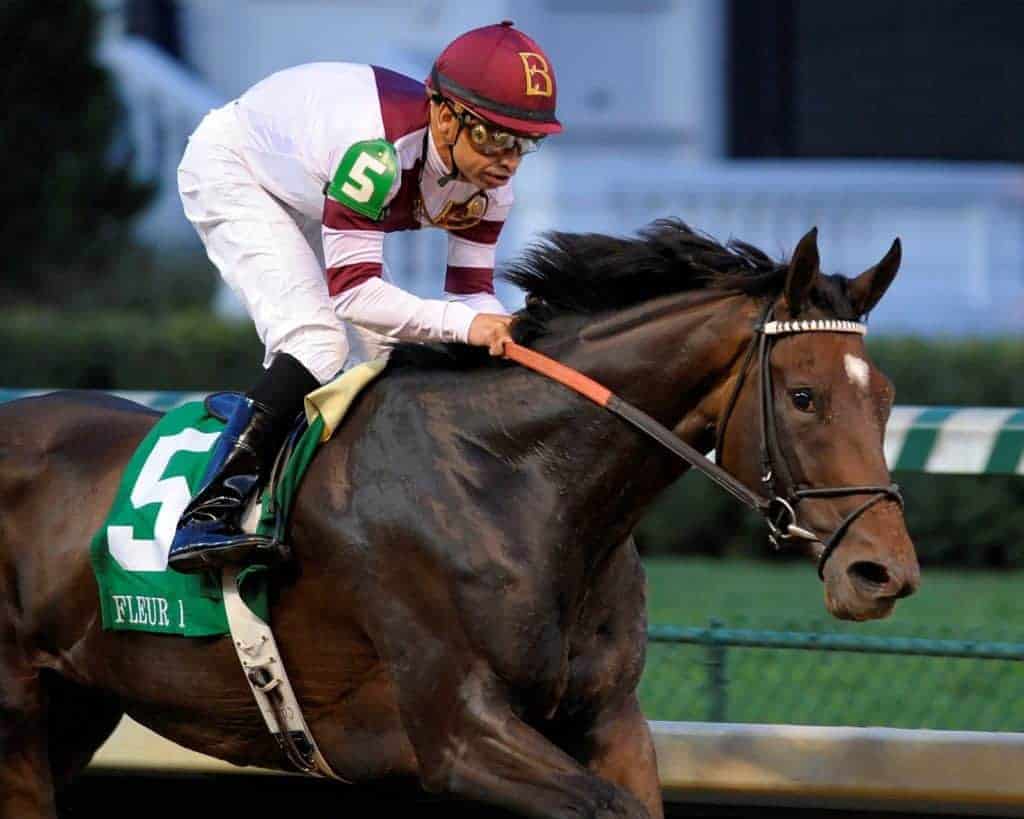
The filly sustained the cut entering a stall on the plane that transported her to California from New York.
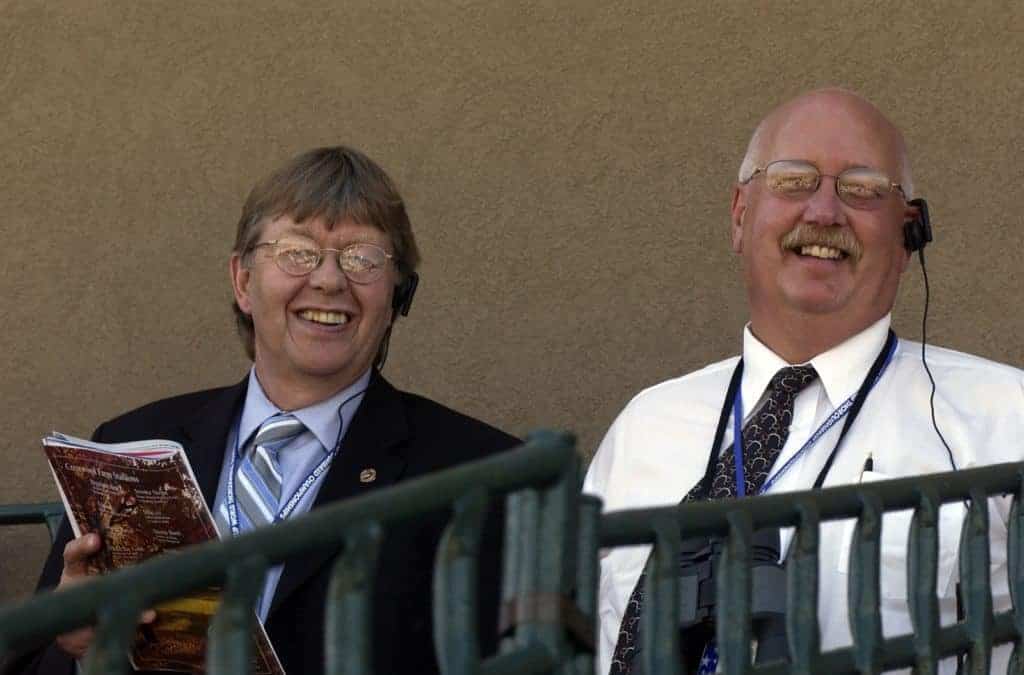
Larry Bramlage, DVM, MS, Dipl. ACVS, and Wayne McIlwraith, BVSc, PhD, DSc, FRCVS, Dipl. ACVS, will be on hand.
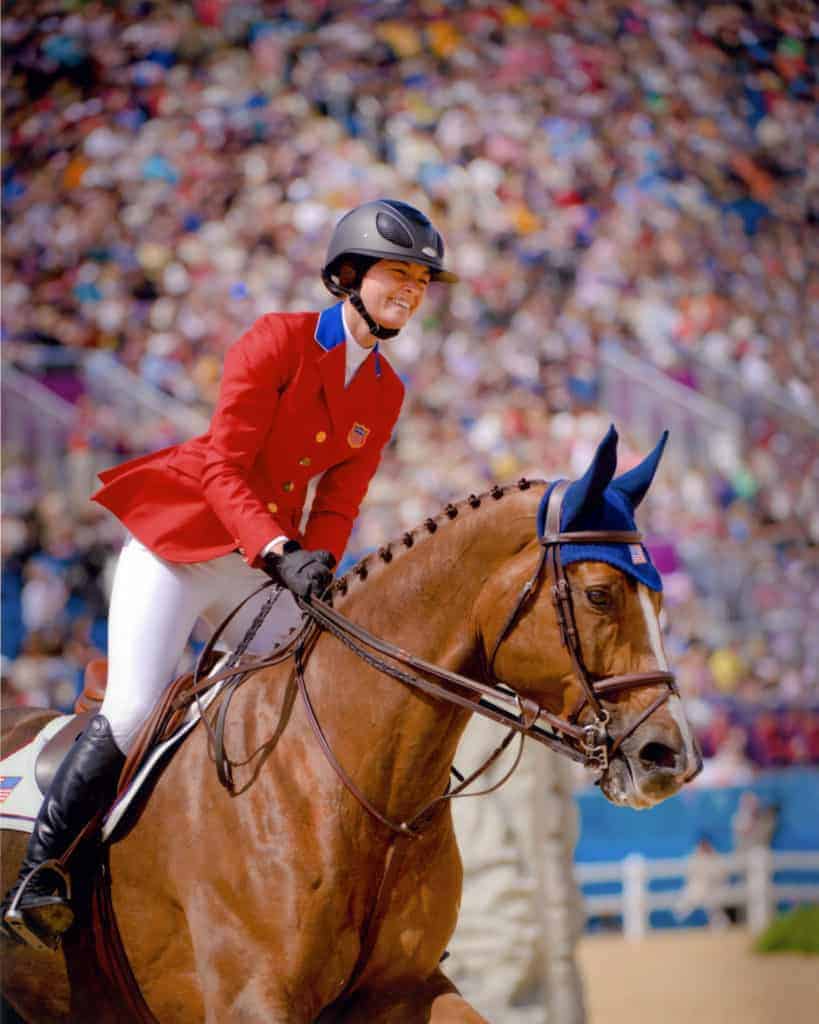
Kessler is the youngest U.S. Equestrian Team member in history to take part in the Olympic Games.

Researchers recently examined the factors that could affect a horse’s propensity for injury and future use.
Eric Mitchell shares his thoughts on the recently completed Welfare and Safety of the Racehorse Summit.

Neurologic signs, weakness, gait changes, and forelimb lameness can all point to an equine neck condition.
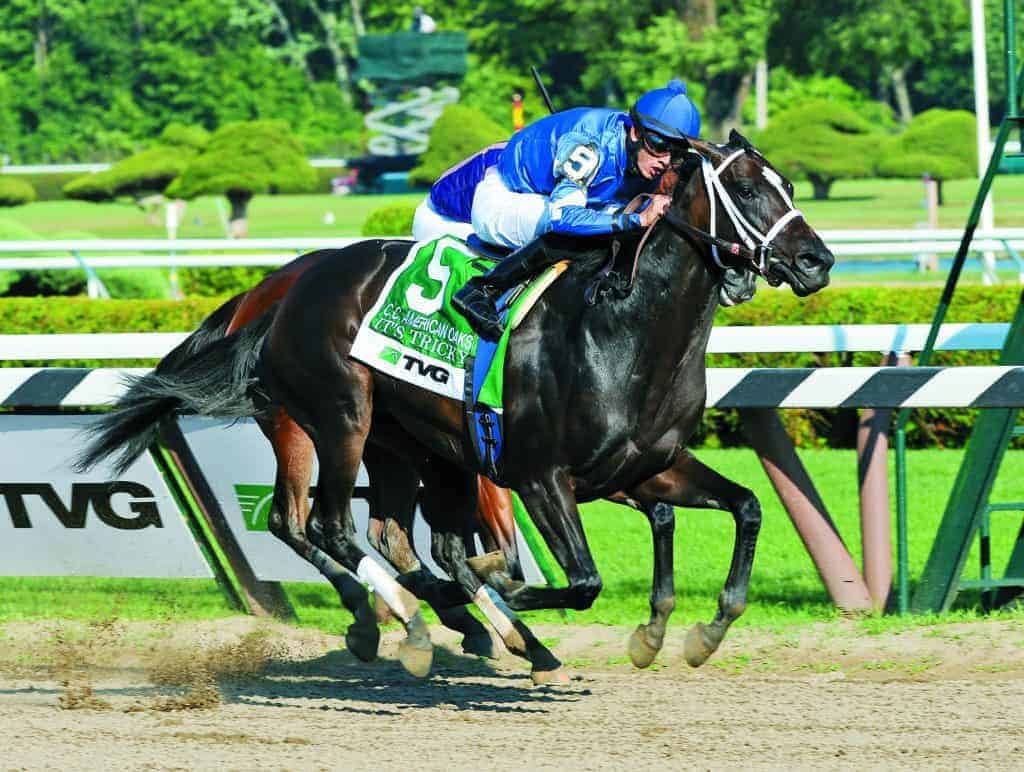
The 4-year-old filly sustained the beginnings of a condylar fracture in her right hind leg during a workout.
Yves Rossier, DVM, presented information on an FEI-funded study on equine injuries at a recent conference.
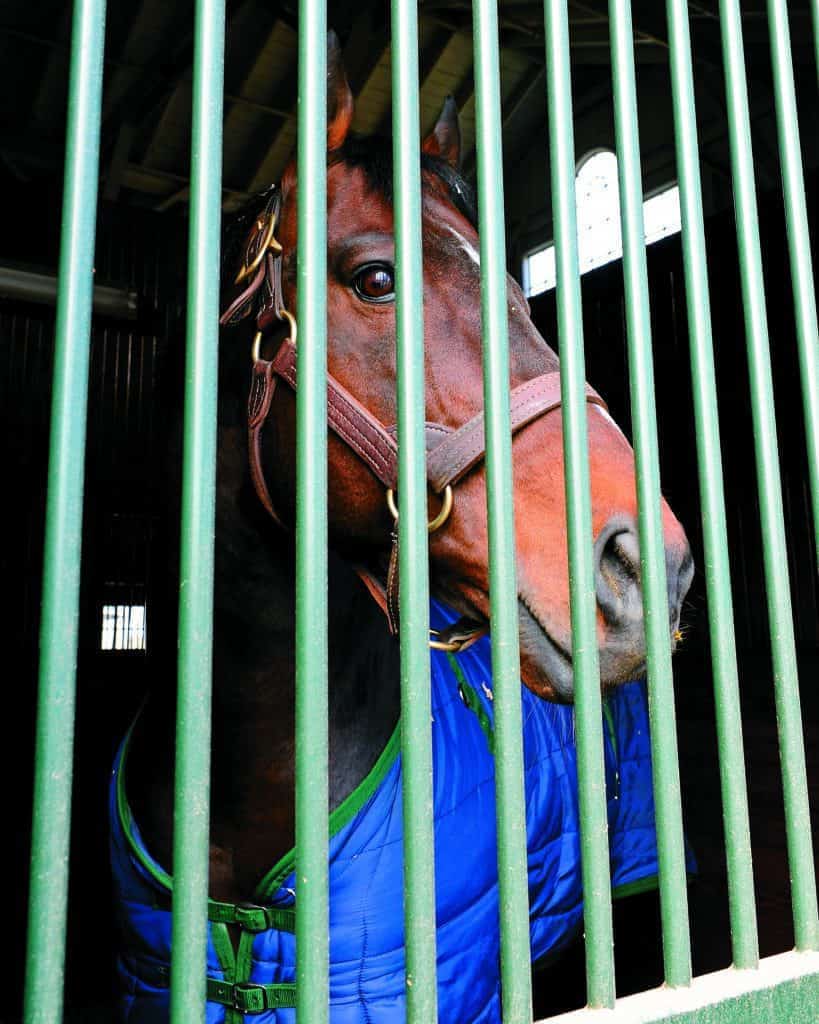
“If horses start showing they need a rest, you need to give it to them or they will force you to,” he said.
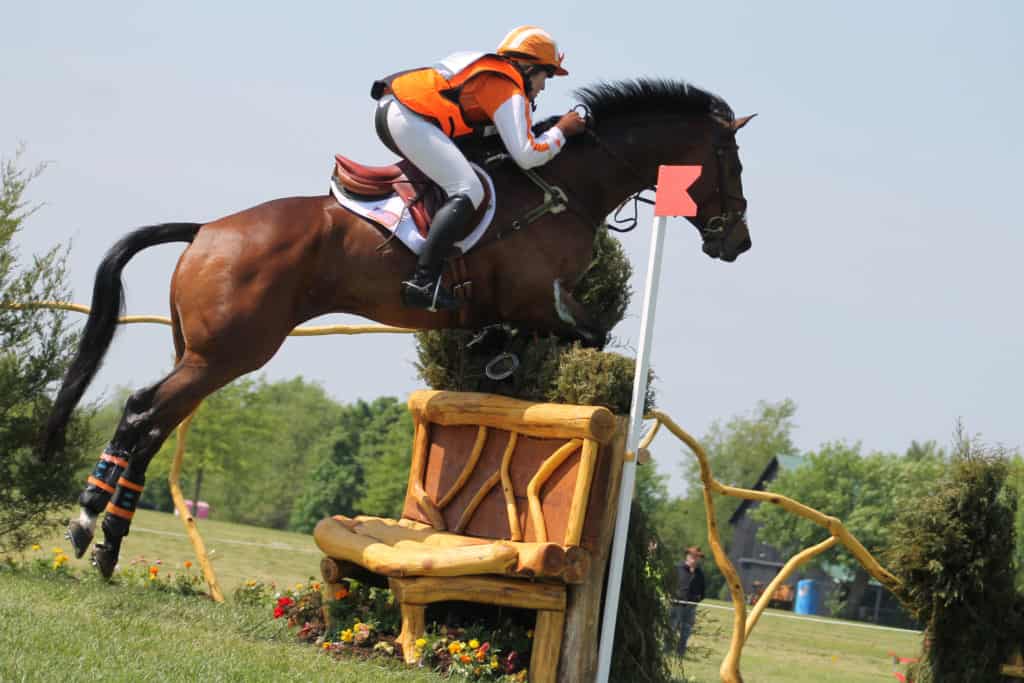
Osteoarthritis (OA) is a degenerative and career-compromising disease in horses.

Educating trainers about the warning signs of catastrophic injury can help improve equine safety.