The Evolution of Thoroughbred Aftercare
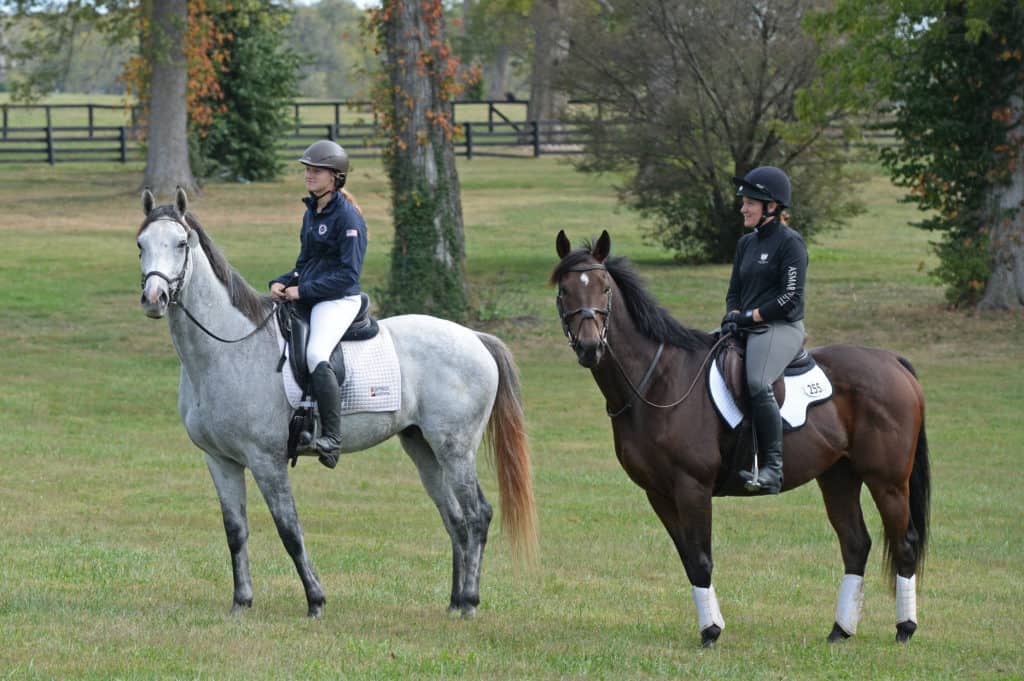
Here’s a look at the past, present, and future of Thoroughbreds as sport horses.

Here’s a look at the past, present, and future of Thoroughbreds as sport horses.
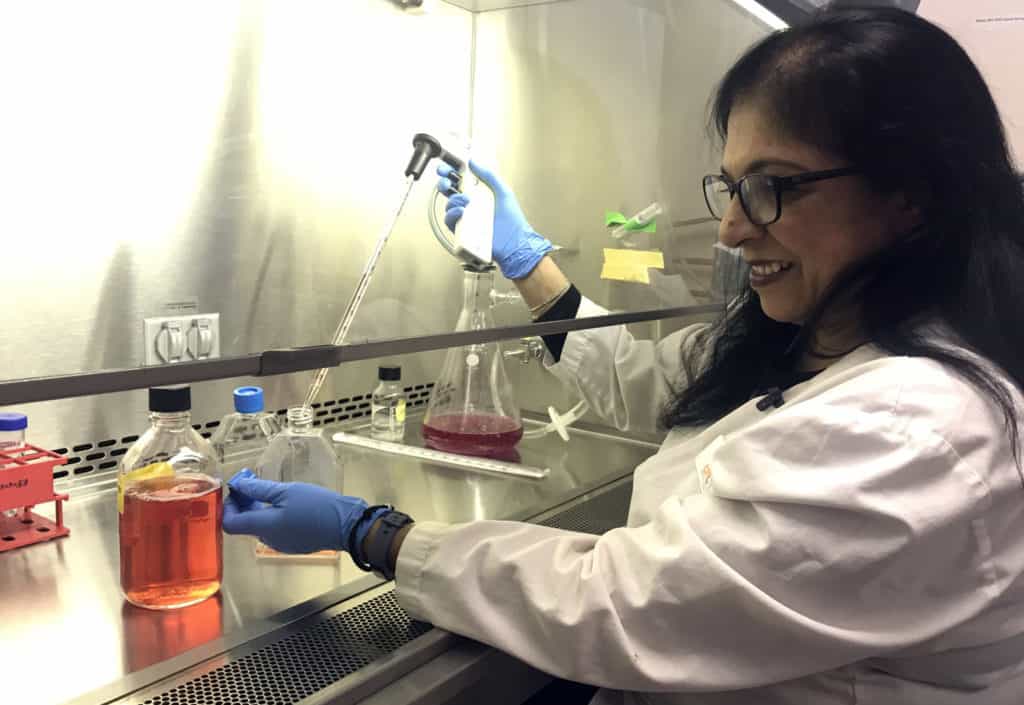
Horses are at risk of adverse effects anytime they receive injections. However, researchers recently determined that stem cell injection site reactions in horses were uncommon in the population they studied.

Before you take the plunge, learn what to be wary of as well as what to expect when choosing an ex-racehorse.

Drs. Allen Page and David Horohov have studied inflammatory markers in racehorses since 2012. This was their first opportunity to measure those markers in nonracehorses.

Working with your veterinarian, farrier, and trainer and considering your horse’s physical, mental, and social needs will help you make the best decision for when and how you should transition him to a more leisurely lifestyle.

In the first of this two-part series, we’ll explore full-body rehabilitation options, from the horse’s head to tail.
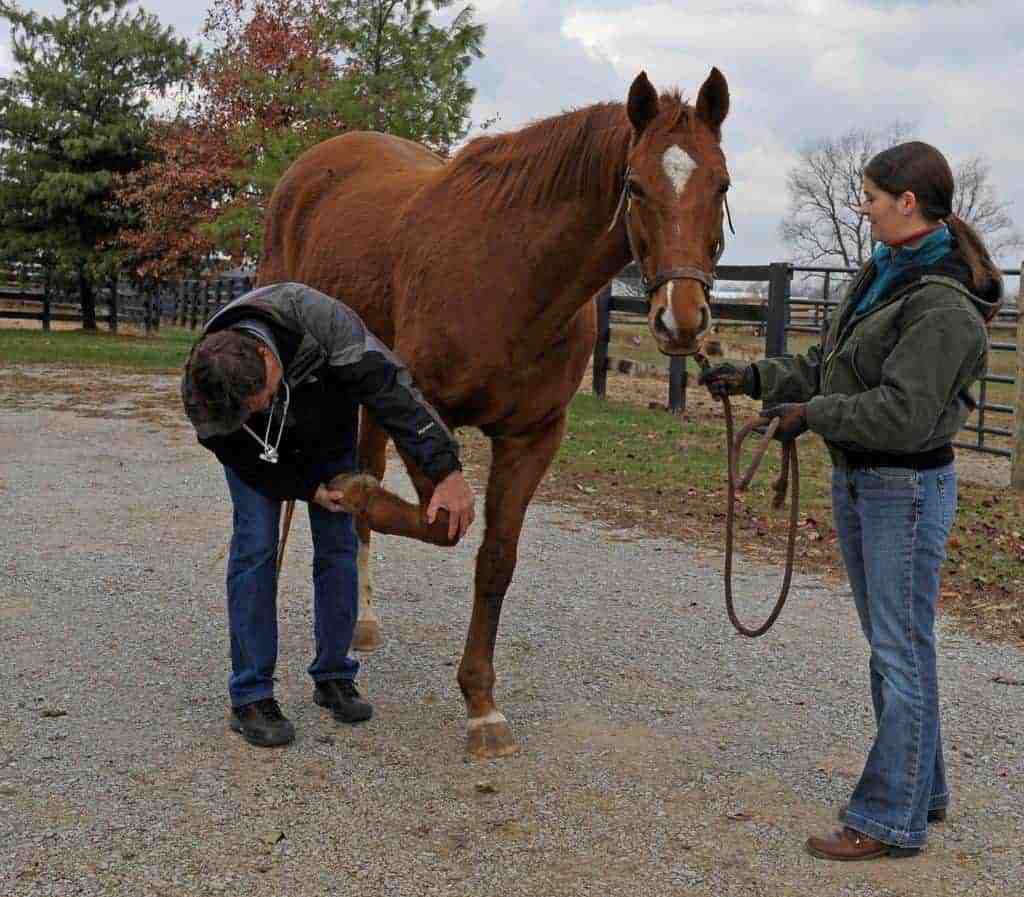
A vet weighs in on what might cause a well-conformed senior mare to become over at the knee and fall during a ride.
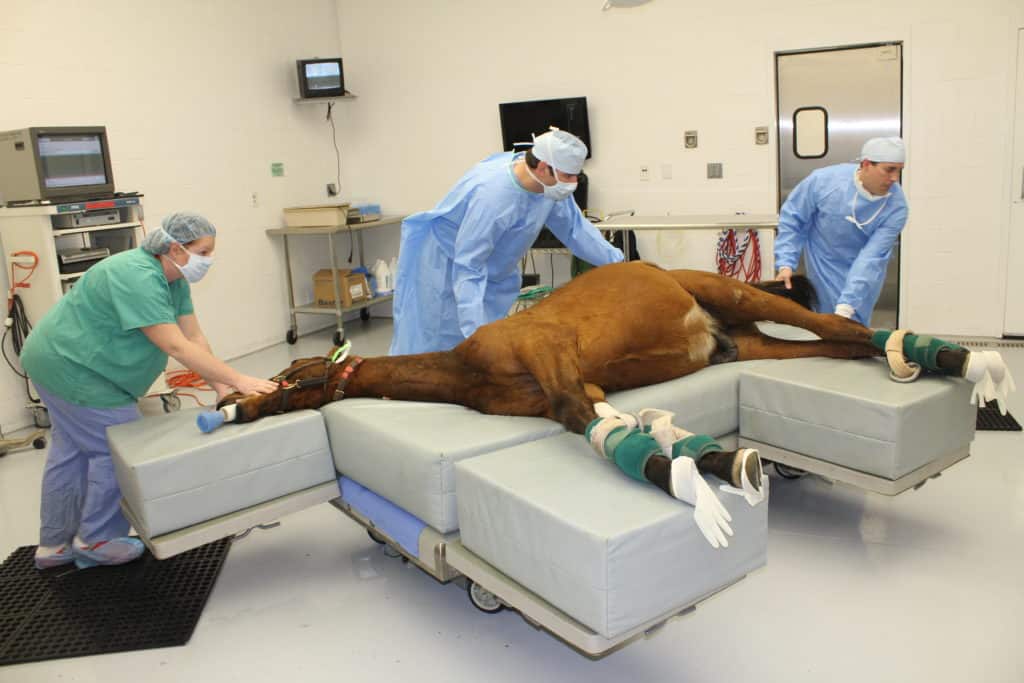
Irish scientists recently tested a new OCD repair method that’s based on the idea of replacing the damaged tissue with healthy tissue.

Are breathing issues slowing your horse down? Here are some surgical and management options that might help.
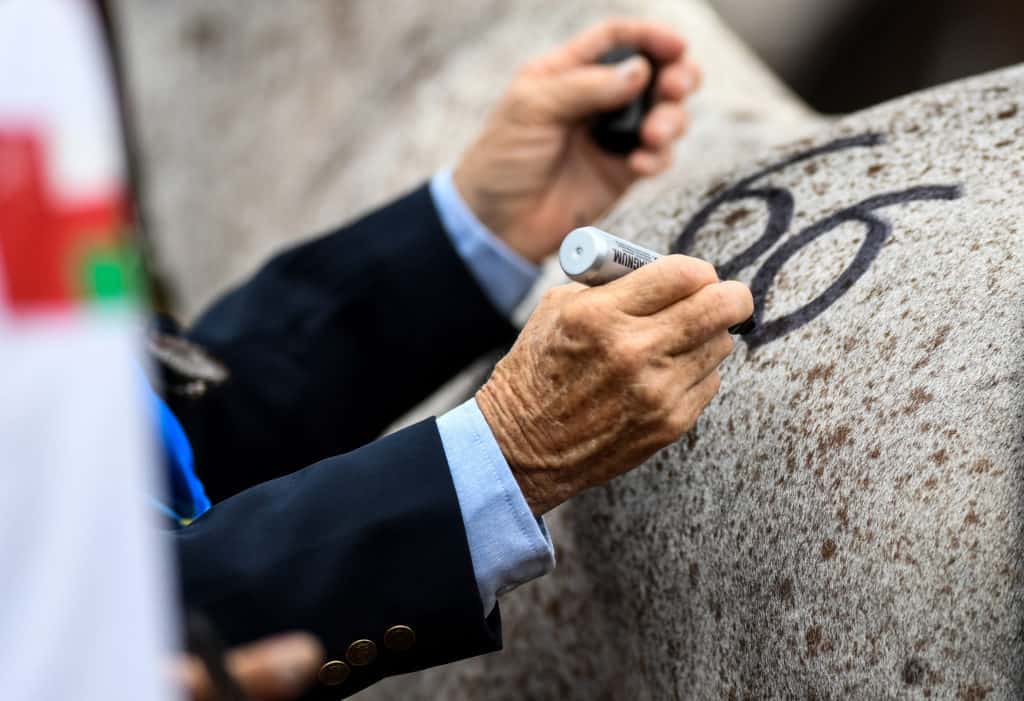
Among other tasks, the FEI’s temporary committee will review the rules to identify the most effective way of bringing the discipline back to its roots of endurance riding (as opposed to endurance racing), with horse welfare and horsemanship at its core while still maintaining the sport’s competitive aspect.

A high-fat, high-fiber “museli” mix appeared to supply sports ponies with enough energy to perform well and maintain body condition while reducing blood glucose levels after meals, potentially reducing their risk of metabolic disorders.

Cranial nuchal bursitis occurs when nuchal ligament (located near the horse’s poll) bursae become inflamed and sometimes infected. It generally causes pain, limited head and neck flexion, and poor performance.

There’s not one particular approach for rehabilitating injured joints. Here are a few of the options vets have to use.

Skin problems were the most common general disease reported (33% of all syndromes recorded) and nonhoof-related lower limb lameness was the most common individual issue reported (18.5% of all syndromes recorded).
After a 2018 campaign that included three difficult 100-mile rides, along with a couple of 50-mile rides, Claire Godwin, DVM, who owns and rides “Merc,” said he’s still in good condition.
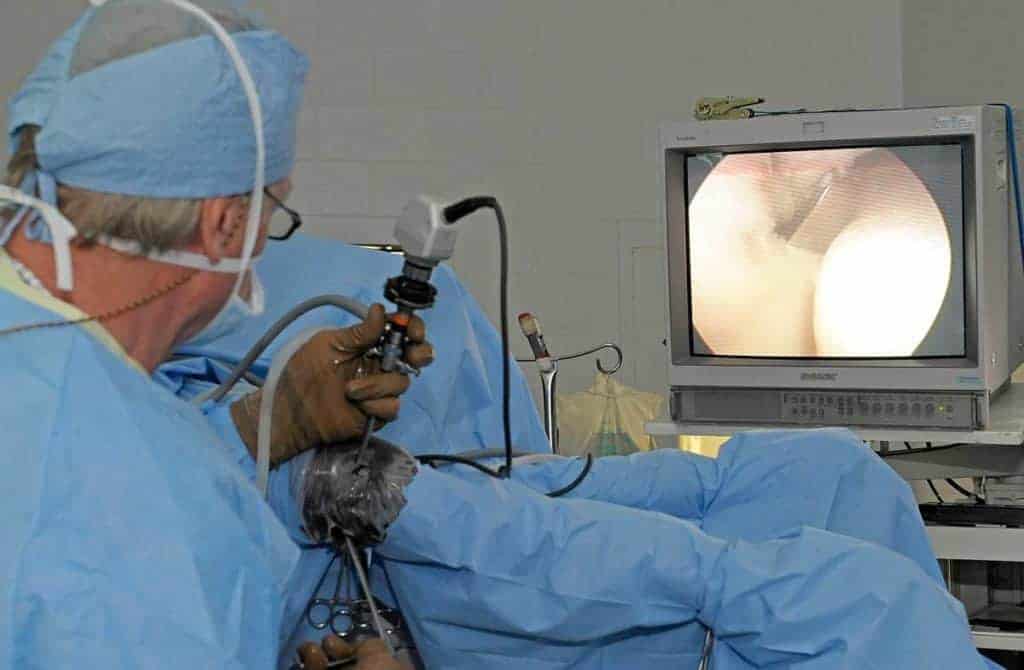
Recent study results suggest the overall septic arthritis rate following surgery was 0.47%, which is similar to previously reported rates. Further, researchers found no association between inpatients’ and outpatients’ septic arthritis development rate.