Other Veterinary Technologies

Subcategories:
None

Lactate Provides Useful Indication of Prognosis

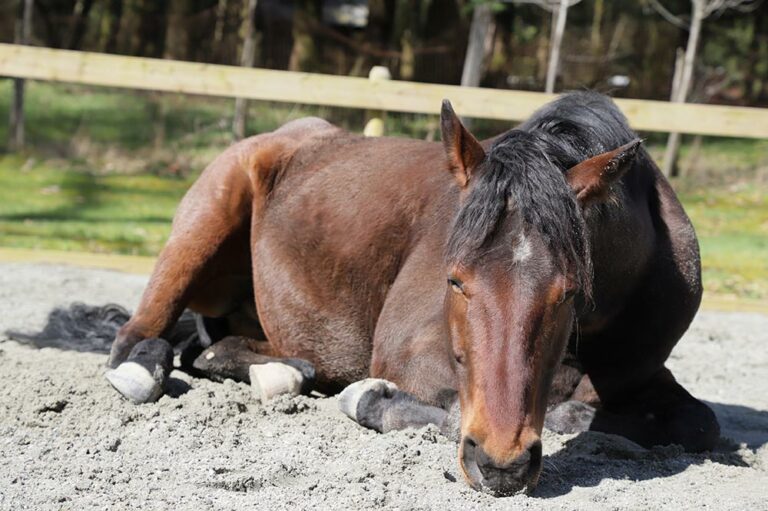
Lactate, the ionized form of lactic acid, which is a byproduct of anaerobic metabolism, can provide objective insight into the prognoses of equine patients, according to Robert Franklin, DVM, Dipl. ACVIM, of the Equine Medical Center in Ocala,
Read More

A Joint Barometer

A protein called serum amyloid A (SAA) could help veterinarians assess the condition of a joint before it becomes severe, according to Danish researchers. Joint disease is a major source of lameness in performance horses, and researchers are

Read More

Magnesium Bone Cement Aids Fracture Repair

Biocompatible magnesium phosphate bone cement might be a better option for aiding fracture healing in horses than the calcium phosphate cement more commonly used today, according to a study performed by researchers at The Ohio State University.

Read More

Detecting Foal Rib Fractures With Ultrasonography

A study conducted by researchers at the University of Montreal has revealed that ultrasonography is more effective than radiography for detecting rib fractures in foals, and that the fracture rate is higher than previously reported.

Read More

Gait Analysis for Horses

There has been a long journey over a relatively short span of time in the world of equine gait analysis. The first studies utilized high-speed cameras and a treadmill and took place at the Swedish University of Agricultural Sciences some 35 years

Read More

Serology

The horse’s immune system is a window to its world. The biochemical analysis of blood components can give the veterinarian valuable information about disease exposure and immune responses. When a horse is exposed to an antigen (a disease-causing

Read More

Transfixation Pin Cast Recovery: Timelines Set

Researchers at Colorado State University (CSU) set time guidelines for the use of transfixation pin casts for horses with comminuted phalangeal fractures. They found that horses with fractures maintained in this type of cast for 40-80 days had increa

Read More

Horse Genome Map Complete

The first genome map of a horse is complete, providing scientists with a new set of tools for investigating equine disease, scientists at the Broad Institute, a part of the Massachusetts Institute of Technology, and the National Human Genome

Read More

Better Diagnosis of Bone and Soft Tissue Injuries Through MRI

Magnetic Resonance Imaging (MRI) is a non-invasive imaging technique that has been used for human diagnosis since the 1980’s but is a relatively new diagnostic tool in treating horses. It provides incredibly sharp and detailed pictures of soft

Read More

UK Announces Expanded Equine Programs

Amid a crowd gathered in one of the University of Kentucky’s equine research barns, UK President Lee T. Todd Jr. and College of Agriculture Dean Scott Smith today announced a new equine undergraduate program and significant improvements to UK’s

Read More

More From The Horse

Hard to Stomach: Equine Gastric Ulcer Syndrome
Horse in a Stable Box
overweight chestnut horse grazing in field
senior horse; old horse; old; senior; keeping senior horses happy

Stay on top of the most recent Horse Health news with

FREE weekly newsletters from TheHorse.com

Weekly Poll

sponsored by:

What is your biggest challenge when caring for horses in hot weather?
104 votes · 104 answers

Create a free account with TheHorse.com!

The Horse
Privacy Overview

This website uses cookies so that we can provide you with the best user experience possible. Cookie information is stored in your browser and performs functions such as recognising you when you return to our website and helping our team to understand which sections of the website you find most interesting and useful.