LSU Equine Center Releases Fifth Research Report
The report chronicles and reviews research conducted by LSU faculty and students from 2008 through 2010.

The report chronicles and reviews research conducted by LSU faculty and students from 2008 through 2010.

Freezing or inhibiting fecal samples from diarrheic horses allows C. perfringens detection for weeks longer.
Several horse health and industry organizations received grants during the first round of funding distribution
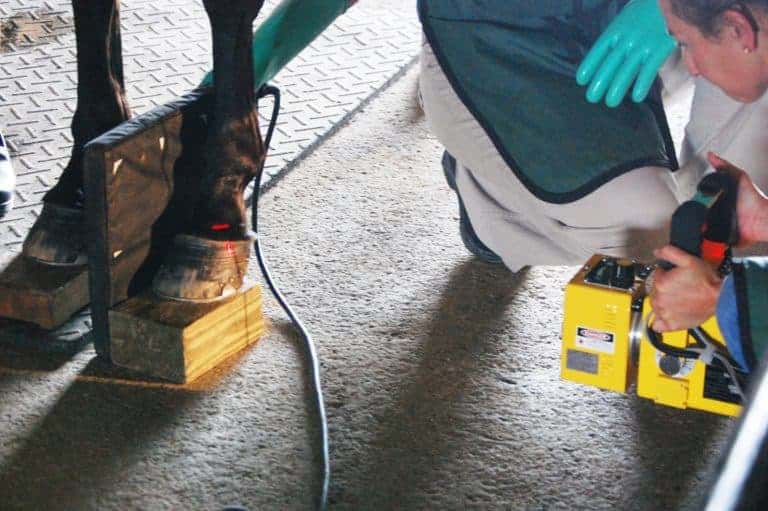
Services available include lameness evaluation and treatment, reproduction, diagnostic imaging, and more.
Duncan F. Peters, DVM, MS, is the new director of the Clinical Equine Sports Medicine Program at MSU.
Researchers will use samples from horses with fevers of unknown origin to look for tick-borne infections.
One scientist said the high number of hendra cases reported in 2011 emphasized the need for a vaccine.
The study on Lawsonia intracellularis involves 14 Thoroughbred farms and 600 Thoroughbreds in Kentucky.

S. neurona causes the neurologic disease EPM. A fully sequenced genome will provide a resource for virulence factor and S. neurona antigen characterization, which could lead to new immunizations or therapeutics against the parasite.

A team of researchers has successfully located chromosomal regions associated with equine sarcoids.

Researchers are evaluating the safety of a new injectable treatment modality for SDFT injuries.
Submissions should be designed to help advance the diagnosis, treatment, and understanding of pigeon fever.

There are two main types of pharmaceutical drugs: those manufactured by pharmaceutical companies and are FDA approved; and those that are “compounded” by either a licensed veterinarian or pharmacist. In equine medicine, compounded drugs are only considered if a horse needs to be treated with a medication but no FDA-approved formulation is licensed for horses.

Study of horses with allergies showed a partial remission of allergy signs with nanoparticle administration
The University of Kentucky Gluck Equine Research Foundation published its 2011 Research Report in late March.
The London Fire Brigade donated the horse as a thanks for large animal handling training the RVC provides.