What’s Inside the Equine Digital Cushion?
The digital cushion, located in the rear of the hoof, protects the foot’s complex bone and soft-tissue structures.

The digital cushion, located in the rear of the hoof, protects the foot’s complex bone and soft-tissue structures.

PET scans revealed lesions in bony and soft tissue, some of which weren’t visible on other imaging modalities.

Ridden horses express pain through facial behaviors differently from horses at rest, one researcher says.

Currently, there are no medications approved by the FDA to control fever in horses.

Practice can and should be ethical, but it’s not always easy. Pressure applied by trainers or owners can be substantial.

Jacqueline Smith, PhD, explains how geographic information systems can help monitor and even predict disease outbreaks.
Dr. Norm Ducharme reviewed how to diagnose and treat airway issues during the Milne lecture at the 2016 AAEP Convention.

Biosecurity, especially for ambulatory practitioners, can present challenges. Here, vets share practical tips.

Tailored rehab plans and frequent veterinary checks are just two pieces of the rehabilitation puzzle.
Read the top tweets and take-homes from Rood & Riddle Equine Hospital’s client education seminar.

While the actual product might still be several years away, researchers are currently testing “promising technologies.”

Anti-nerve growth factor has been shown to have significant pain-relieving effects in other species.

Time, patience, and care are critical because full rehabilitation can take weeks, months, or even longer.
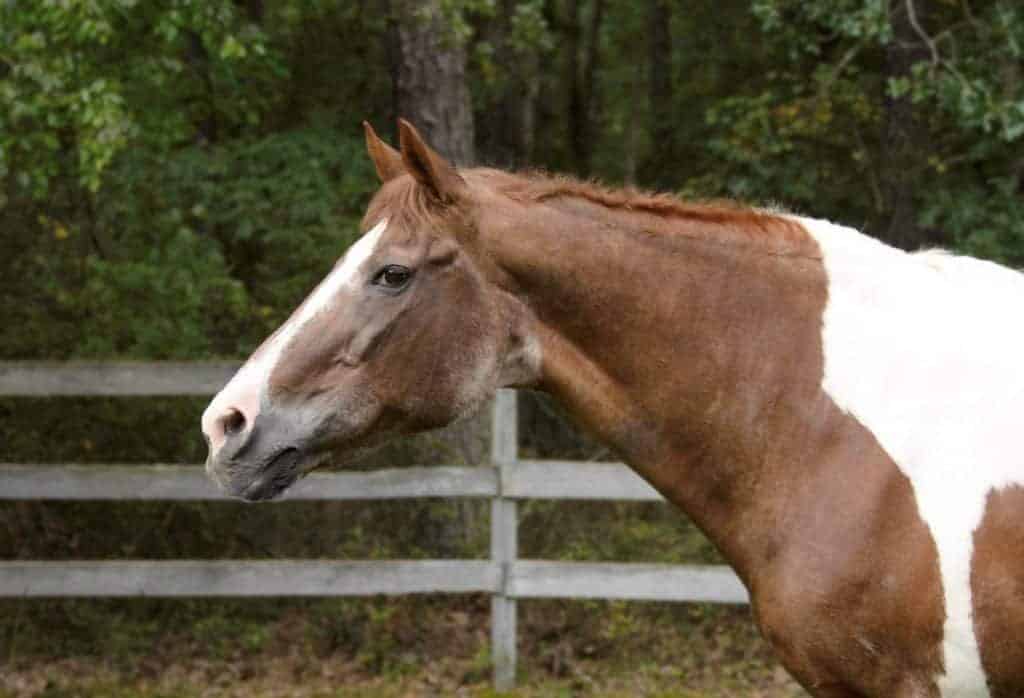
Recent large-scale surveys suggest clients want their veterinarians to provide more services for geriatric horses.

High blood potassium levels cause hyperkalemia. Here’s what to watch for and how to treat this dangerous condition.

None of the samples from recently vaccinated horses had antibody titers close to the value cutoff for true disease.