Navicular Bursitis in Horses: Improving Outcomes
While surgery alone can improve septic navicular bursitis prognoses, recent study results suggest outcomes can be even better if surgery is combined with antimicrobials and therapeutic shoeing.

While surgery alone can improve septic navicular bursitis prognoses, recent study results suggest outcomes can be even better if surgery is combined with antimicrobials and therapeutic shoeing.

Horses are at risk of adverse effects anytime they receive injections. However, researchers recently determined that stem cell injection site reactions in horses were uncommon in the population they studied.

Recent study results suggest the overall septic arthritis rate following surgery was 0.47%, which is similar to previously reported rates. Further, researchers found no association between inpatients’ and outpatients’ septic arthritis development rate.

Researchers found that horses ventilated with “heliox” rated better for two measures of respiratory mechanical function—low peak inspiratory pressure and higher lung compliance—compared to those breathing pure oxygen.

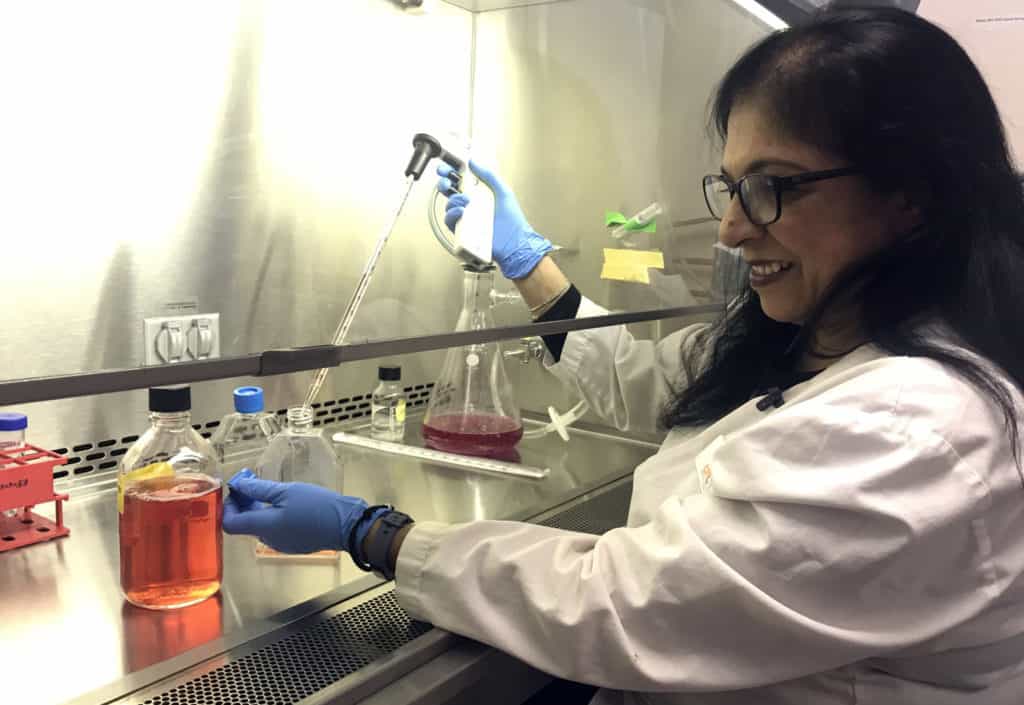
Surgical site infection risk had little to do with the amount or kind of bacteria present at the incision before, during, or after surgery, researchers found.

Researchers found that their technique for removing ostoechondral fragments from the hock was efficient and had few postoperative complications.

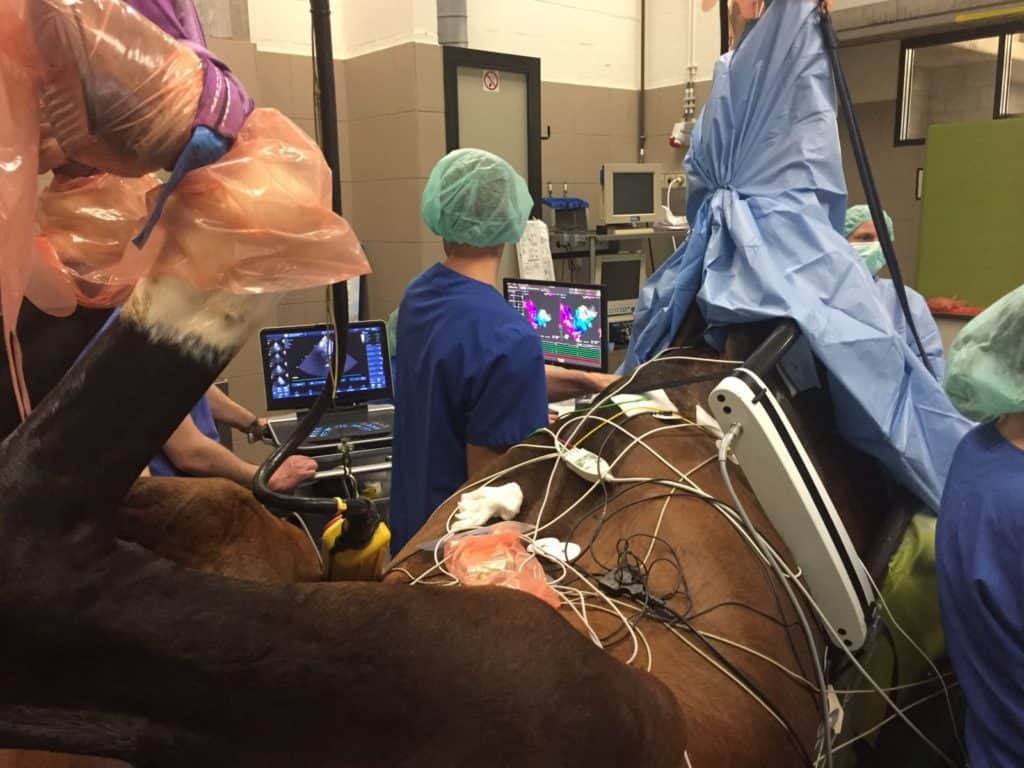
Belgian veterinarians have successfully completed the first cardiac ablation—a procedure used to correct irregular heartbeats—performed in a horse. Diamant, a 5-year-old Norwegian show jumper, came through the four-hour operation with no difficulties.

Horse health care often requires teamwork. Use these tips to find the right equine health professionals for your team.

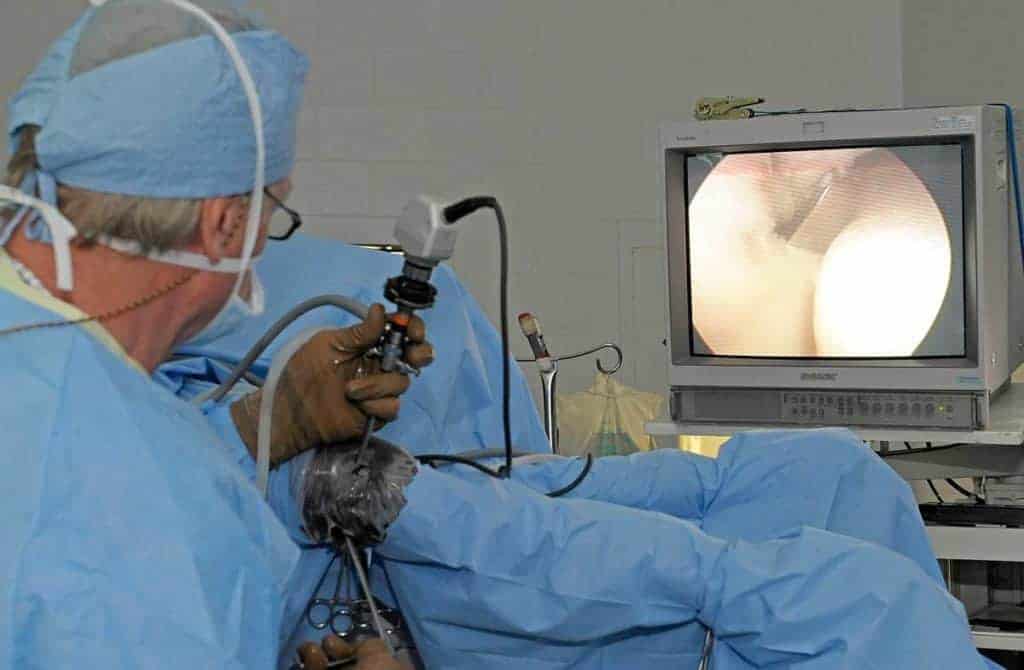
Researchers found that standing surgery results were at least as good as those of surgeries performed under general anesthesia. The new procedure also allows better surgical access to the target tissues, they said.

Researchers found horses treated for superficial digital flexor tendonitis with a new biologic product recovered better than those that received a placebo.

Researchers have learned that fractured splint bone healing can be optimized by replacing metal screws with absorbable ones.

Researchers say the standing technique minimizes risk to the patient, reduces costs to the client, and limits complications.

Horse owners might want to have their mares’ ovaries surgically removed for a variety of reasons, including to prevent pregnancy, get rid of tumors, or, most commonly, resolve behavioral issues.

Meconium impactions are the most common cause of intestinal obstruction and one of the most prevalent health issues overall in neonatal foals.

If surgery requiring general anesthesia must be performed on pregnant mares, the safest time window is Days 40-220 of gestation, researchers concluded.

Drs. Peter Morresey and James McLeod share regenerative medicine insights from clinical and research perspectives.
Stay on top of the most recent Horse Health news with
"*" indicates required fields