Managing Meconium Impactions in Neonatal Foals
Meconium impactions are the most common cause of intestinal obstruction and one of the most prevalent health issues overall in neonatal foals.

Meconium impactions are the most common cause of intestinal obstruction and one of the most prevalent health issues overall in neonatal foals.

If surgery requiring general anesthesia must be performed on pregnant mares, the safest time window is Days 40-220 of gestation, researchers concluded.

Drs. Peter Morresey and James McLeod share regenerative medicine insights from clinical and research perspectives.

Applying shock wave therapy immediately following PRP injection into injured soft-tissue structures might help increase the concentrations of growth factors released from the platelets, researchers found.

When cases are selected appropriately, the complication rate is very low and the prognosis for a full return to work is very good, one veterinarian says.

Thanks to advancements in colic diagnostics and treatment, a horse’s chances of survival and return to normal activity following surgery have never been better.
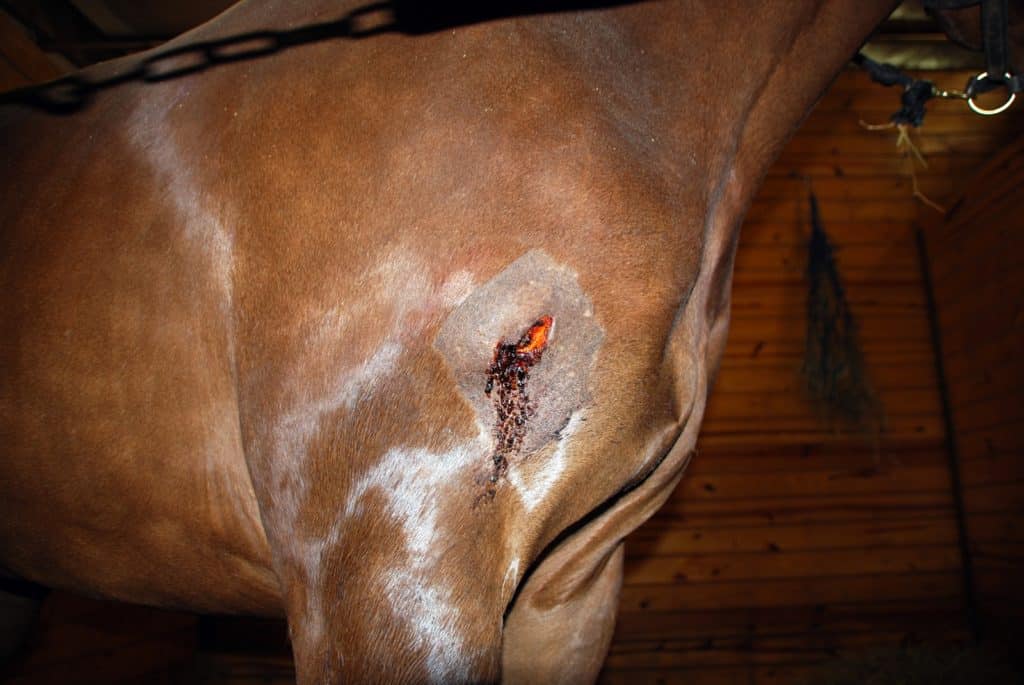
Cornell researchers found that factors secreted by mesenchymal stromal cells might help fight bacteria in skin wounds.

Dr. Regina Turner recaps research on endometritis, factors affecting pregnancy rates, treating placentitis, and more.

Laboratory results show the stem cells can differentiate into fat, bone, cartilage, and muscle tissue.

This approach remains an important tool for helping manage a variety of equine conditions/ injuries.

Study horses returned to full health after tendon and ligament injuries and treatment without adverse side effects.

The ultrasound-guided technique allowed vets to see the needle enter the navicular bursa without hoof-wall interference.
Dental pulp injections helped reduce pain and improve lameness in horses with soft tissue injuries and arthritis.
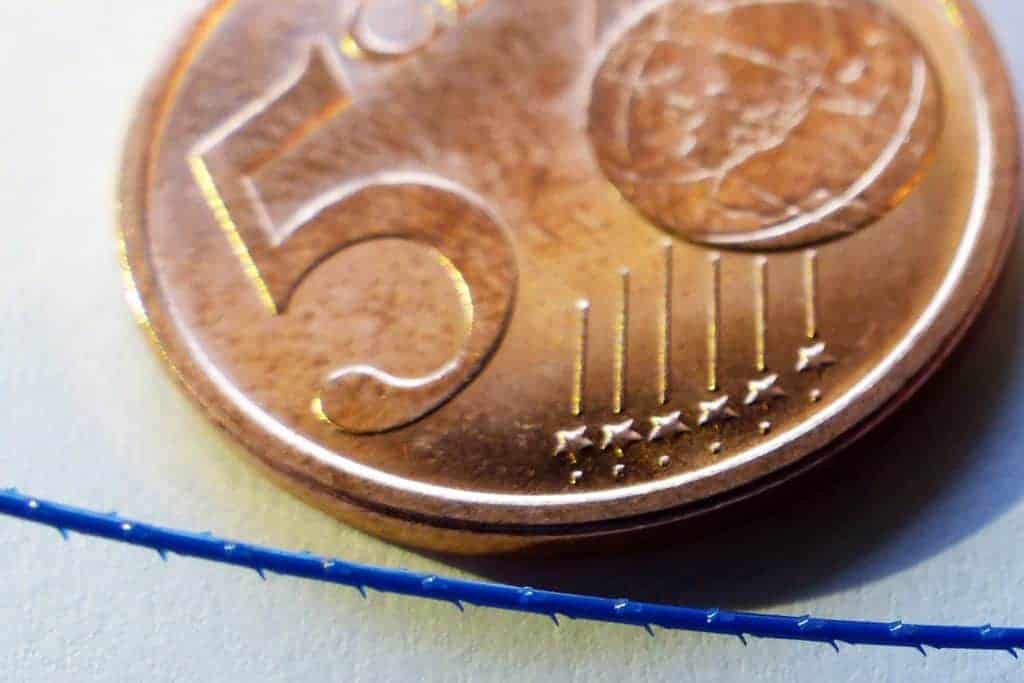
Barbed sutures eliminate the need for knot-tying and distribute tension on the suture line more evenly, researchers say.
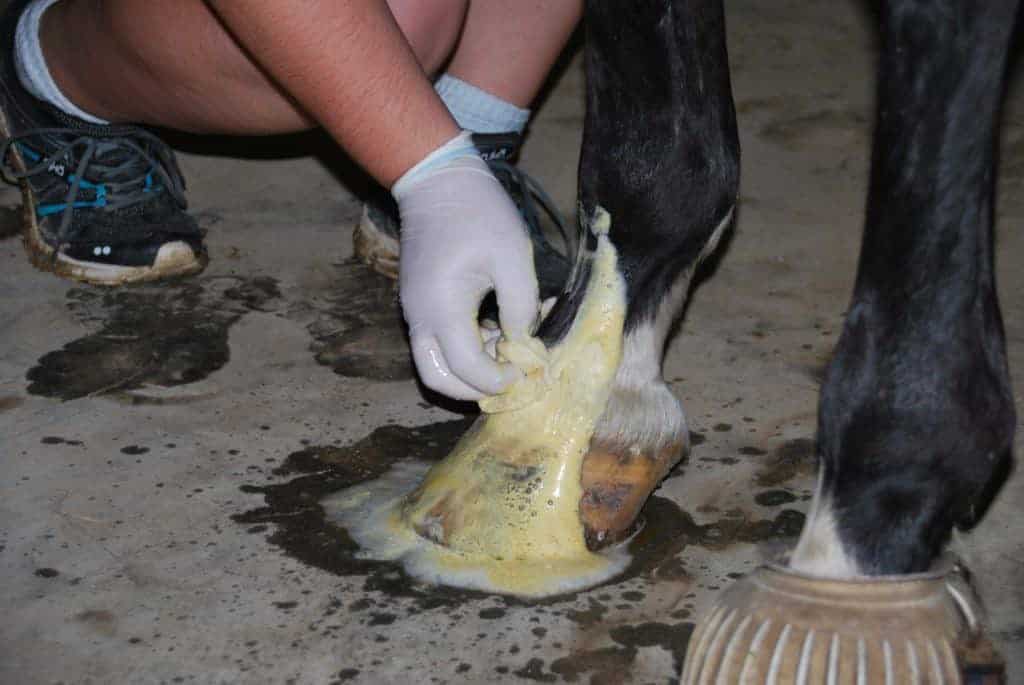
Products that don’t requiring scrubbing to remove dirt and bacteria from skin are gaining in popularity.

Successful treatment depends on an accurate diagnosis and good knowledge of the therapeutic options available.