Third EHV-1-Infected Horse Dies in San Bernardino County, California
California has confirmed EHV-1 in two additional febrile horses.

California has confirmed EHV-1 in two additional febrile horses.

Mandatory headgear, banned bitless bridles, imposed endurance rider weights, and frangible device requirements for eventing jumps are among new FEI rules.
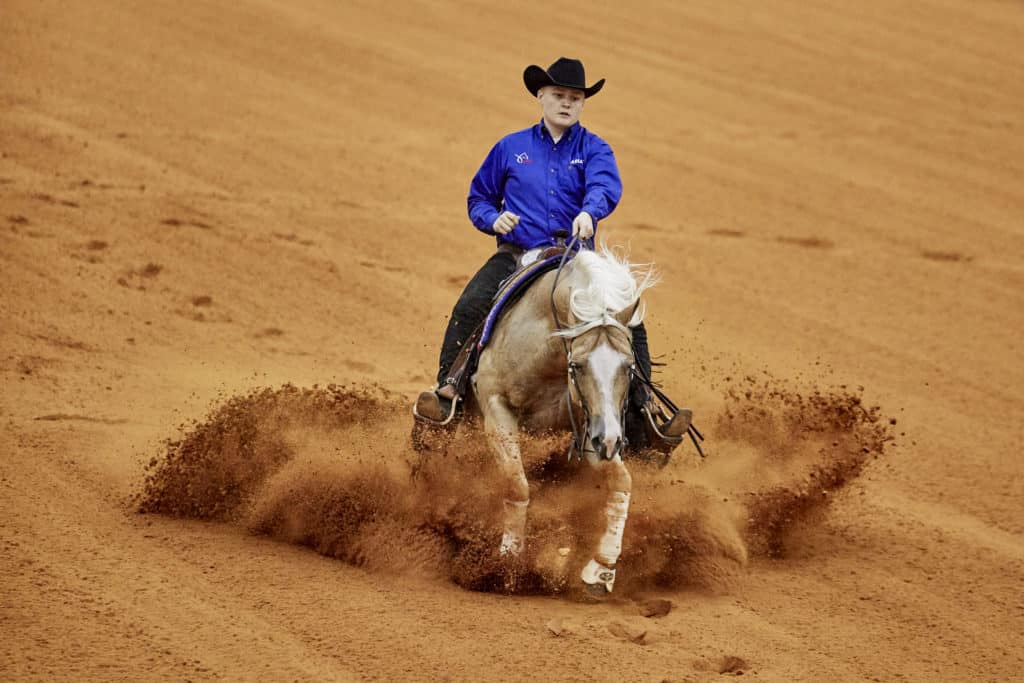
The two bodies have differing rules regarding horse age, medication use, and warm-up practices.

No horses other than the index case showed signs of the disease.
Meanwhile, officials have released 14 premises from quarantine in Nebraska, Utah, and Wyoming.

The California Department of Food and Agriculture continues to monitor the situation in San Bernardino County.

All horses that exhibited clinical signs have been cleared following monitoring.
Officials continue to monitor the situation in San Bernardino County.

The USDA also corrects its previous report of VSV in Duchesne County, Utah.

The horse succumbed to the mosquito-borne disease.

The state’s index case resides in Pickens County.

Records dating to 1942 indicate this is the first recorded equine case of EEE from Leelanau County.

Official have released a previous Alameda County equine herpesvirus quarantine.

The affected horse was imported into Rhode Island from New England on Oct. 24.
Officials release the Shasta County premises after more than two weeks of monitoring for equine herpesvirus myeloencephalopathy.
Four states still have VSV-infected or -suspect premises.