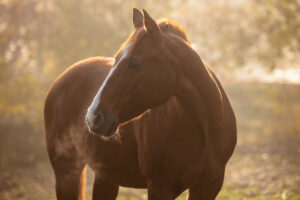
Monk and Dr. Lindsay Fisher Awarded Haggin Cup at 2019 Tevis
The 17-year-old gelding finished ninth in the 100-mile Tevis Cup. This was his fifth consecutive Tevis, and he’s never finished out of the Top 10.

The 17-year-old gelding finished ninth in the 100-mile Tevis Cup. This was his fifth consecutive Tevis, and he’s never finished out of the Top 10.

The 18-year-old, riding an Arabian gelding found for free in a Craigslist ad, edged out three-time winner Jeremy Reynolds in a race to the finish.

A horse and a mule on the same Taylor County premises tested positive.

USDA also updates confirmed VSV cases in Colorado, New Mexico, Wyoming, and Texas.

The state’s first two cases of 2019 occurred in Essex and Norfolk counties.

The number of confirmed cases remains within normal ranges.

The Mitchell County mare died on Aug. 13.

Veterinarians diagnosed and euthanized two mares in two counties.

The unvaccinated Standardbred mare was unable to rise and was euthanized.
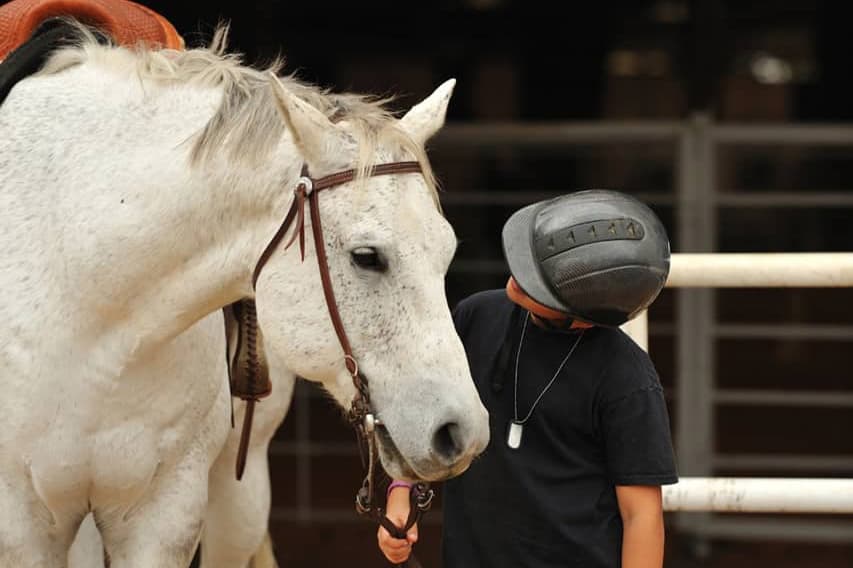
A good lesson horse is a valuable member of any riding program. Our sources share tips on keeping these trusty steeds happy and healthy.

Yearling Paint gelding euthanized after becoming recumbent.

The researchers will weigh the elite equine endurance athletes before they travel, before they start, and during and after the grueling 100-mile ride.

The Lake County gelding was euthanized and exposed horses were quarantined.

Officials lift quarantine enacted following Carroll County, Indiana, mare’s death and diagnosis.

Do grazing muzzles cause stress or alter social behavior? Researchers tested a group of Miniature Horses to find out.

Your horse’s feet are his foundation. What does a healthy hoof look like? Does your horse need shoes, or is he fine barefoot? And what about hoof boots? Learn how to work with your farrier (or trimmer) and veterinarian to ensure your horse’s feet receive the right care.