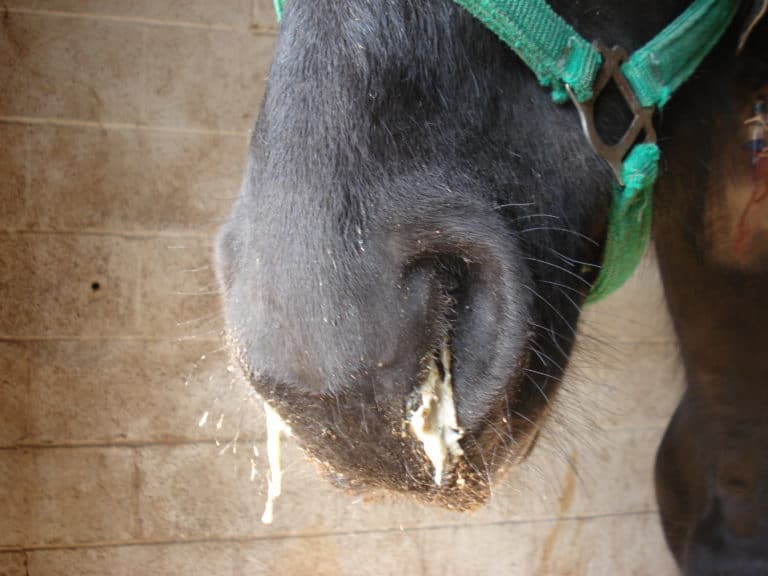
Waushara County, Wisconsin, Horse Tests Positive for EEE
The unvaccinated mare, which was euthanized on Aug. 13, was the state’s second case of the mosquito-borne disease for 2019.

The unvaccinated mare, which was euthanized on Aug. 13, was the state’s second case of the mosquito-borne disease for 2019.

Fresno County horse is among three positive cases in the state.

Officials have identified three affected equine premises in Emery and Uintah counties.

The disqualification of Great Britain’s top dressage rider dropped the team’s placing from silver to fourth.

Most cool-season horse pastures should be fertilized with nitrogen in the fall to boost root reserves and extend the grazing season.

A horse’s papers were lost during Hurricane Harvey. His new owner wants to know if DNA testing can help discover his breeding.

University of Kentucky researchers developed a survey distributed earlier in 2019. Here’s what they found.

Racing breeder Stonestreet Farm has announced the development of a blood sampling, testing, and secure storage protocol in partnership with the University of Kentucky. The program was developed in response to reports of off-label bisphosphonate use in growing horses.

International Society for Equitation Science conference attendees learned about practical applications of scientific studies and discovered new theories about horse welfare and behavior.

None of the horses were current on vaccines against the diseases.

Get an insider’s recap of the world’s leading equitation science conference. You’ll also learn about whip use, rider balance, and safety.

Data gathered will help organizers build appropriate facilities and guide athletes on preparing their horses during the Olympic and Paralympic Games.
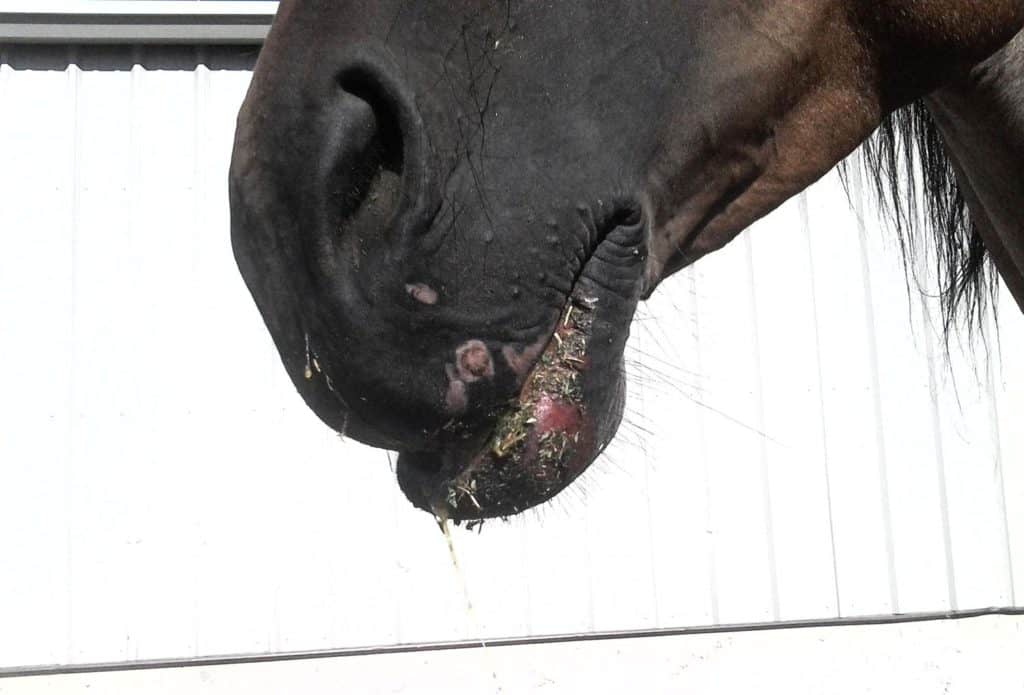
Here’s an update of equine-related VS cases as of Aug. 15.

The organization signs on as the Makeover’s top supporter for the seventh consecutive year.

The yearling filly marks the first confirmed New York case of EEE in 2019.

Officials announce the state’s first cases of Eastern equine encephalitis and West Nile virus for 2019.