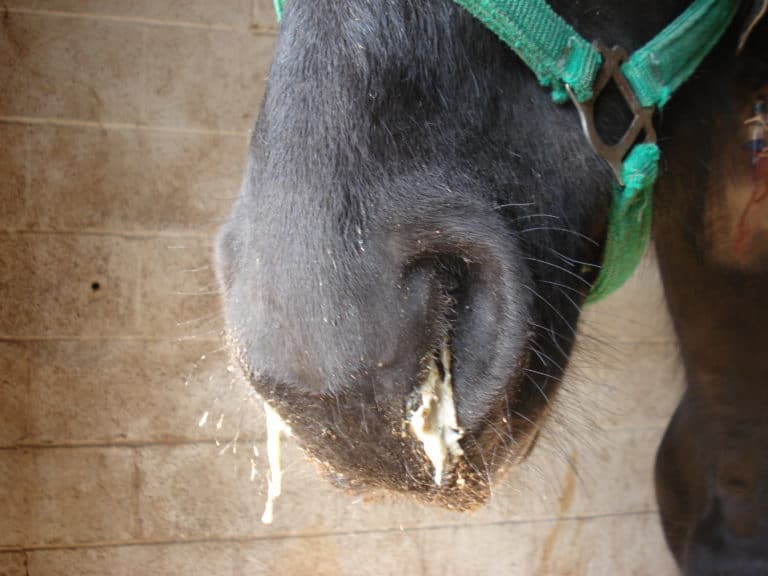
Storing Toxic Substances in Horse Stables
Some products found on farms are flammable, toxic, or hazardous to human and animal health. Learn more about how to use, store, and discard them properly.

Some products found on farms are flammable, toxic, or hazardous to human and animal health. Learn more about how to use, store, and discard them properly.

Complete veterinary-record transparency, strict limitations on pain-relieving and/or anti-inflammatory medication/treatment, and banning therapeutic medications or treatments without a qualified veterinary diagnosis from a state-licensed veterinarian are among the agreed-upon initiatives.
The Stronach Group letter announces changes to medication and whip-use rules at Santa Anita and Gulfstream parks. It comes after an unprecedented number of horses died from training or race-related injuries at Santa Anita during the current meet.

Learn about what causes horses to experience back pain, how it’s diagnosed, and how to make your horse more comfortable.

Learn about the current challenges of medication regulation and drug testing in the race and sport horse industries.

Veterinarians and horse owners alike consider colic the most important equine health care problem in need of more answers.
Scientists are working to decide whether to update the National Research Council’s Nutrient Requirements for Horses and, if they go ahead with a revision, you might be able to help. Here’s how.
On Jan. 19, APHIS closed the facility to new arrivals after a handful of horses quarantined there became sick. The center has been thoroughly cleaned and disinfected, but officials have not been able to identify the cause of disease.

Drs. Ryan Carpenter and Sara Langsam will assist in providing timely health updates on equine athletes during nationally televised events.
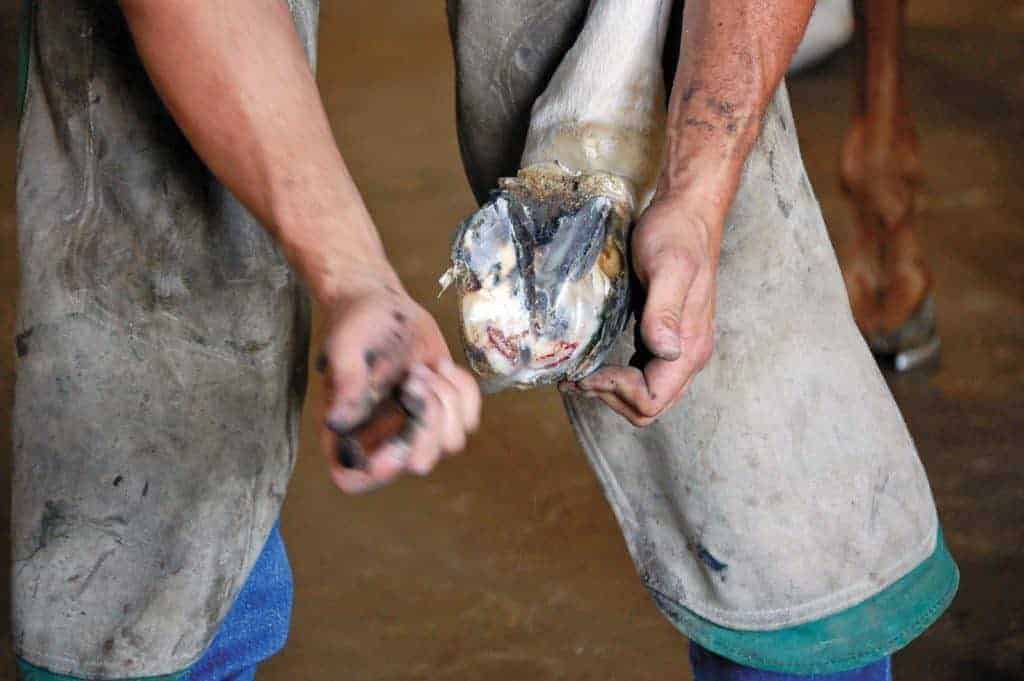
Equine Soundness Professionals’ first educational event will take place March 16, in Wellington, Florida, and feature presentations about a variety of hoof-related topics.
On March 5 officials announced that racing and training would be canceled indefinitely so the main track surface can undergo additional extensive testing and analysis.
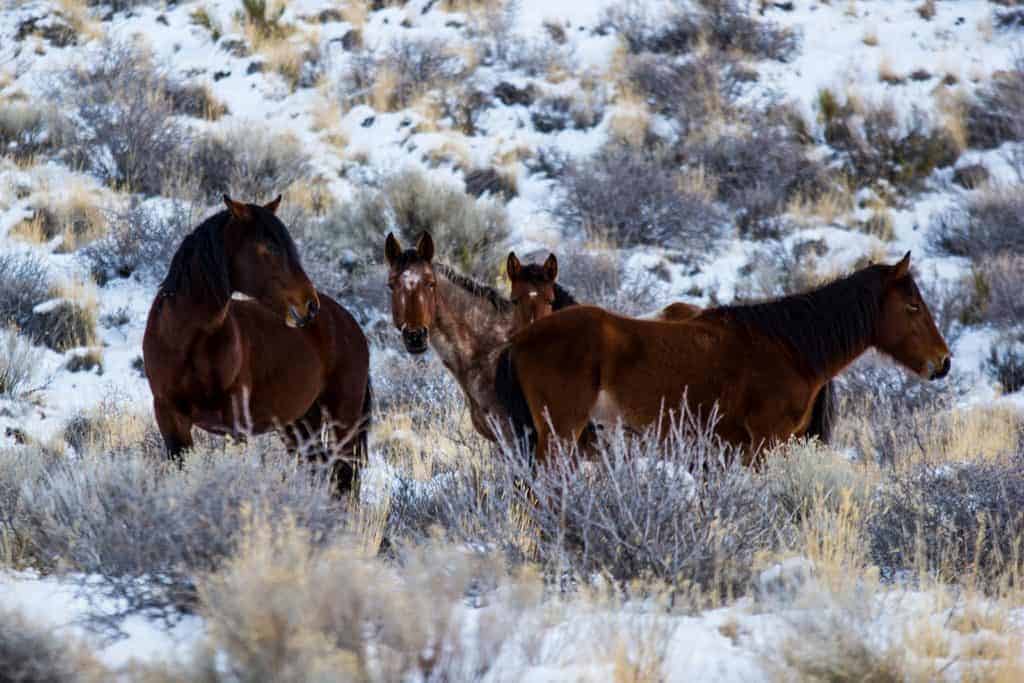
The BLM will accept bids through May 3 from Colorado, Idaho, Kansas, Montana, Nebraska, Nevada, North Dakota, Oklahoma, Oregon, South Dakota, Texas Panhandle (only north of Hwy 82 and 84), Utah, Washington, and Wyoming.
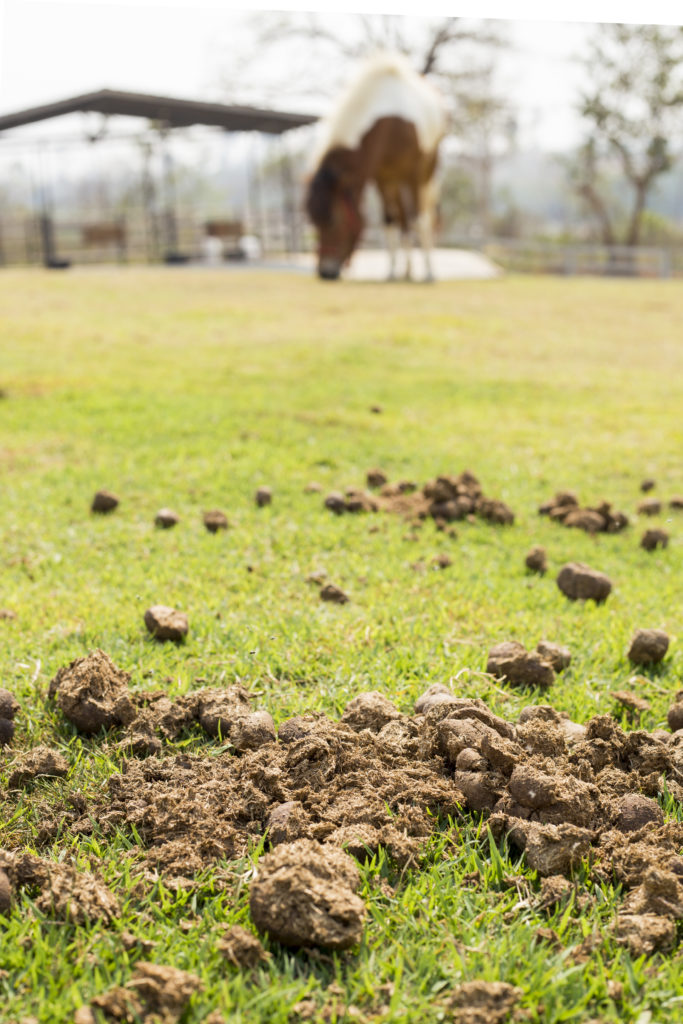
Could adding a supplement to your horses’ feed reduce the worm burden on your pasture? Researchers recently tested an Australian product designed to do just that—and with positive results.

This two-day conference for regulatory and official racetrack veterinarians is designed to provide training and discuss and implement best practices directly related to protecting racehorse health and welfare.
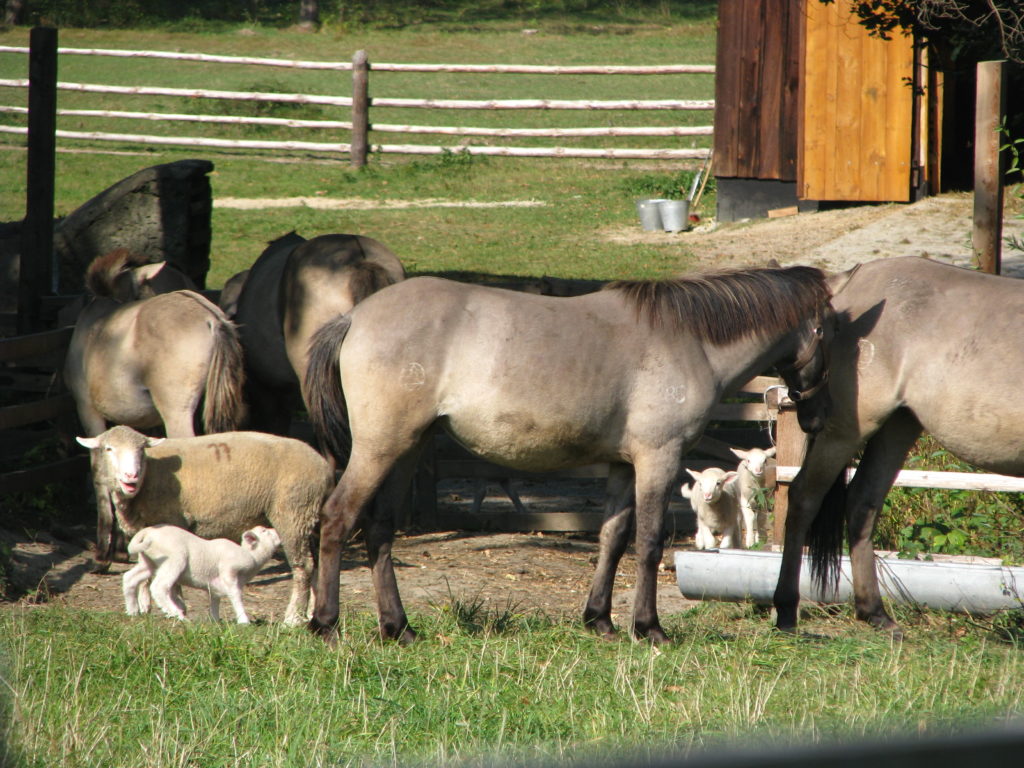
Researchers recently studied how horses and sheep interacted with each other and used pasture resources—plants, water, and shade.

Horses described by their handlers as passive, stubborn, and confident rather than intelligent, curious, and playful appeared to cope better with the demands of police horse life, researchers learned.