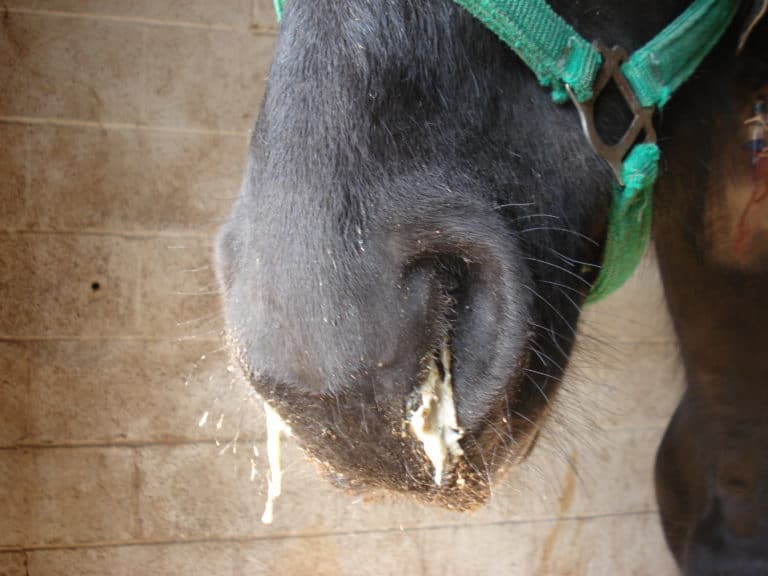
What’s Causing My Horse’s Negative Trailer Behaviors?
How do you deal with negative trailer behaviors such as kicking and pawing while on the road? An equine behavior expert shares advice.

How do you deal with negative trailer behaviors such as kicking and pawing while on the road? An equine behavior expert shares advice.
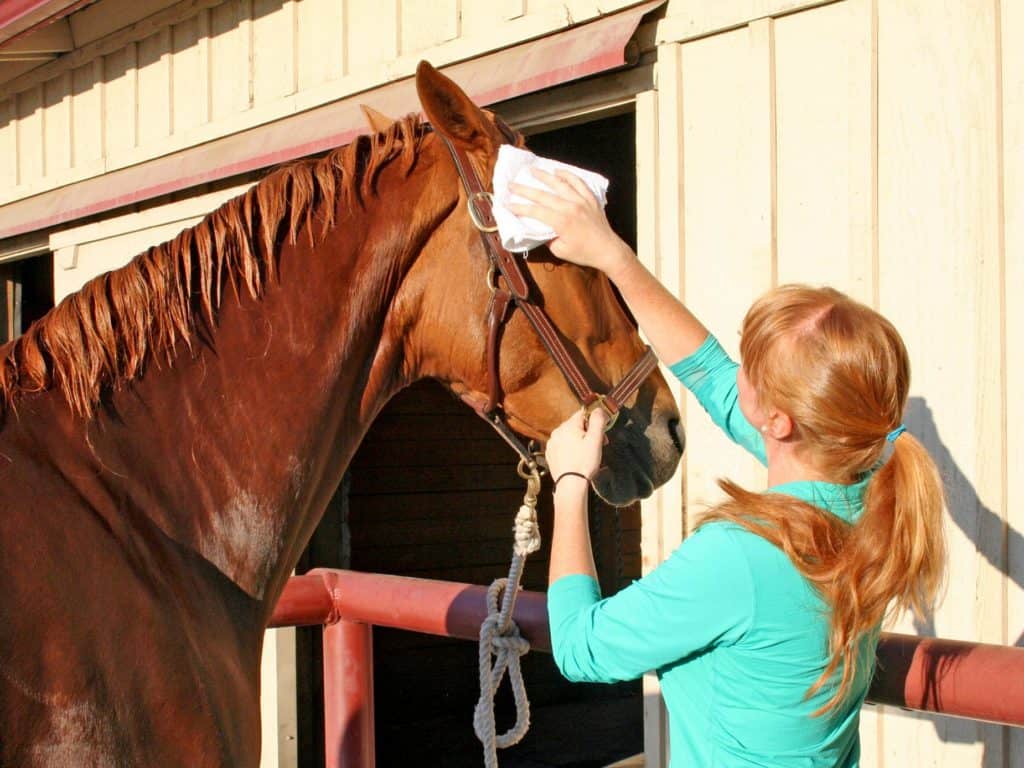
Here are four crucial areas to include in your horse grooming routine.

If a water utility issues a boil-water notice for humans, are horses at risk for disease if they drink unboiled water? Dr. Peter Timoney shares his thoughts.

The Jockey Club released a white paper calling for comprehensive U.S. horse racing industry reform, including an overhaul of drug use and uniform out-of-competition drug testing protocols, among other points,
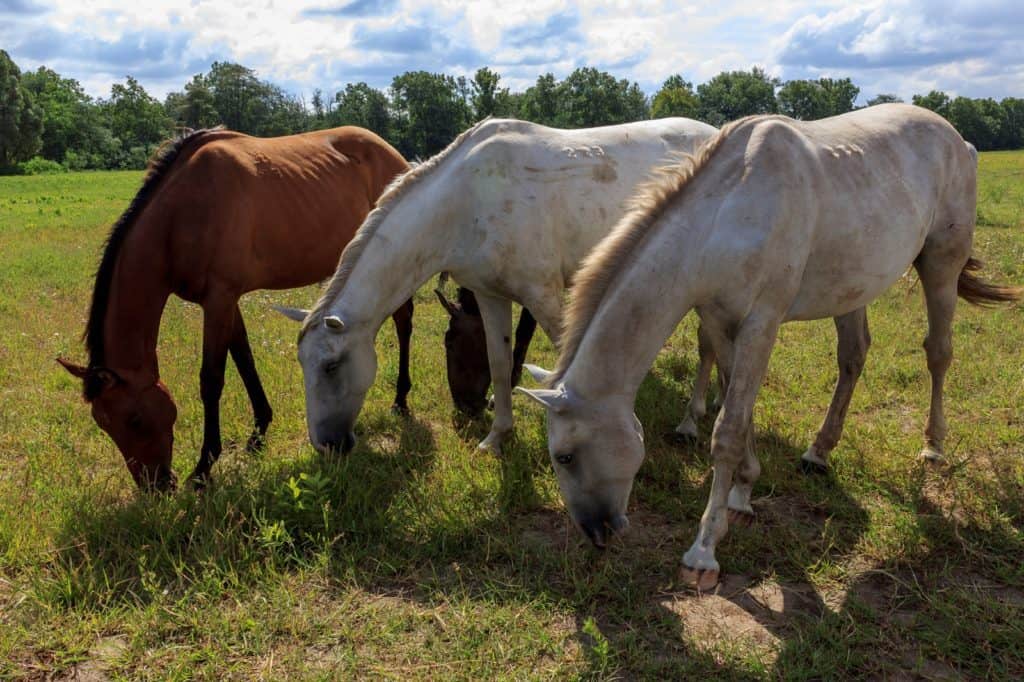
Minimum care standards describe just that: the very minimum care horses require. Here’s how they can help law enforcement personnel, horse owners, and prospective owners alike.

Who you pick as a trainer can make all the difference for your (or your child’s) enjoyment and your horse’s health and welfare. A seasoned equine veterinarian offers her advice on critically evaluating trainers and their programs to find the right fit.

Here’s why your horse might run away when it’s time to come in from turnout and how you can work to solve the problem.

In a year where supplies are tight, hay at two University of Kentucky Cooperative Extension Service auctions sold for nearly double the typical price.

Recommendations include avoiding using bisphosphonates in manners inconsistent with indications of use on the label and discontinuing bisphosphonates use in any horses in training regardless of age, having every jurisdiction employ a full-time equine medical director, and more.

Officials from the Keeneland Association, Fasig-Tipton Company, and Ocala Breeders’ Sales Company announced they will enable buyers of horses younger than 4 years old to have those horses tested for bisphosphonates.

Research topics include racehorse injury prevention, stem cells, placentitis treatment, immune responses to EHV-1, and more.

An analysis of data from the Equine Injury Database revealed an overall fatal injury of 1.68 per 1,000 starts in Thoroughbred racing,

Dr. Angela Pelzel-McCluskey gives an overview of equine infectious anemia, a deadly disease in horses, and explains why it’s important to prevent its spread.

When 28-year-old Scotty retired from his long-held position as a saintly lesson horse, his owner threw a celebration. Here’s how to honor the special horses in your life when it’s time for them to retire.

Bisphosphonates are FDA-approved for controlling clinical signs associated with navicular syndrome in horses ages 4 and older. Some veterinarians use them off-label to treat other equine bone issues. But could this off-label use be detrimental? One equine veterinarian recently gave a rundown on what research says.

Aside from footing, a number of factors could be contributing to catastrophic injuries. What would it take to definitively pinpoint a cause? Dr. Peta Lee Hitchens, who has an interest in the epidemiology of racehorse breakdowns, explains.