Assateague Wild Horses: February 2019 Census Complete
The total population of the Maryland herd is currently at 76 horses, including 21 stallions and 55 mares.

The total population of the Maryland herd is currently at 76 horses, including 21 stallions and 55 mares.

Researchers found that both trained and untrained individuals can use a ridden horse ethogram to identify behaviors likely indicative of musculoskeletal pain, but being educated about the ethogram produces the best results.

Most equine cruelty investigations begin with a tip to law enforcement, and whether those cases are successfully prosecuted can depend largely on how tipsters share their information. Here’s what to remember.
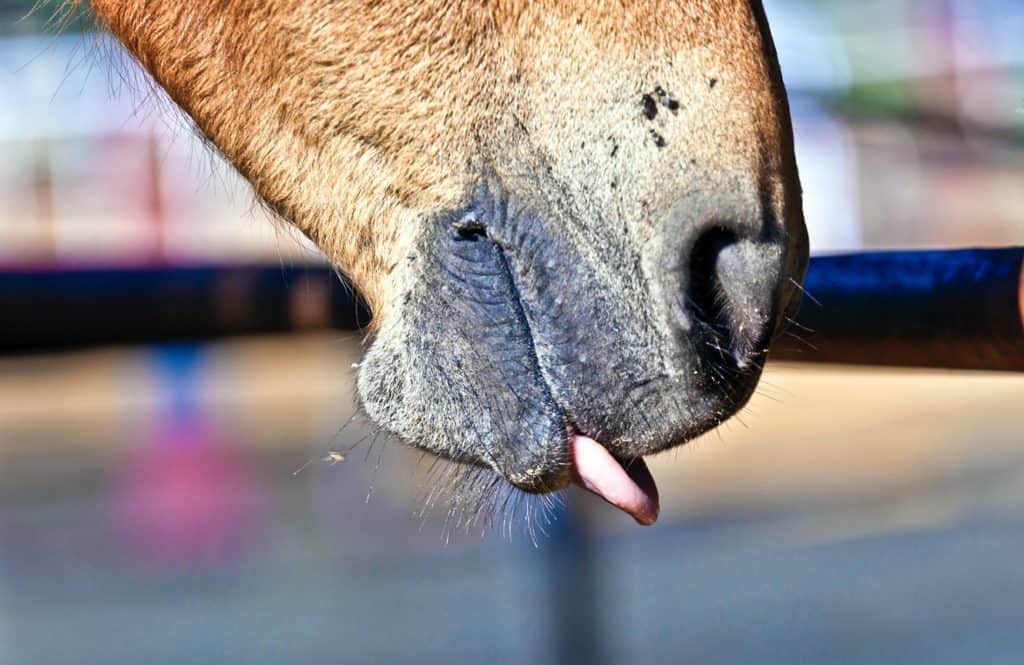
What does “licking and chewing” really mean?

Dr. Martin Nielsen recently completed a sabbatical in New Zealand where he worked to help improve the understanding of equine parasites in that country.
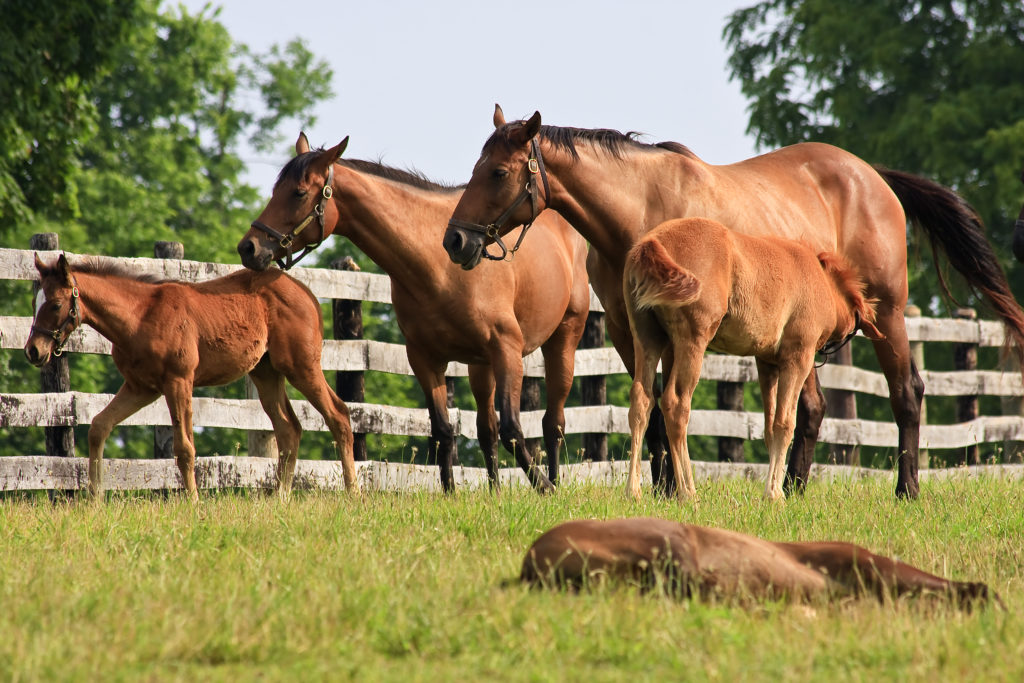
Undergrads at the University of Kentucky can take part in equine research on topics including nutrition, parasitology, facility design, racetrack surfaces, endocrinology, immunology, musculoskeletal science, plant and soil science, and more.

Researchers are hoping equestrians will reply to an online research survey aimed at helping them better understand who participates in horse activities and sports.

Why are there so many equine infectious anemia cases in the news, and how can you protect your horse from this deadly disease?

Remember these tips to help your horse’s transition from his old home to his new one go smoothly.
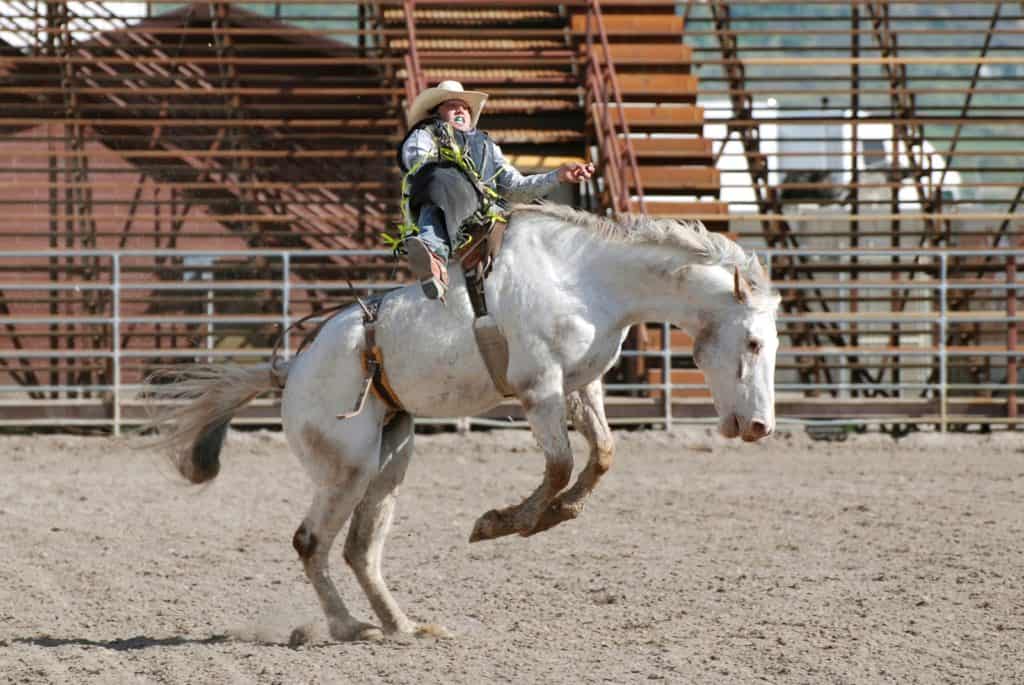
Learn more about the equine athletes that compete at rodeo events, the types of injuries they are prone to, and how veterinarians nurse them back to health.

The inaugural Horse Industry Safety Summit is scheduled to take place April 23, prior to the Land Rover Kentucky Three-Day Event, in Lexington, Kentucky.
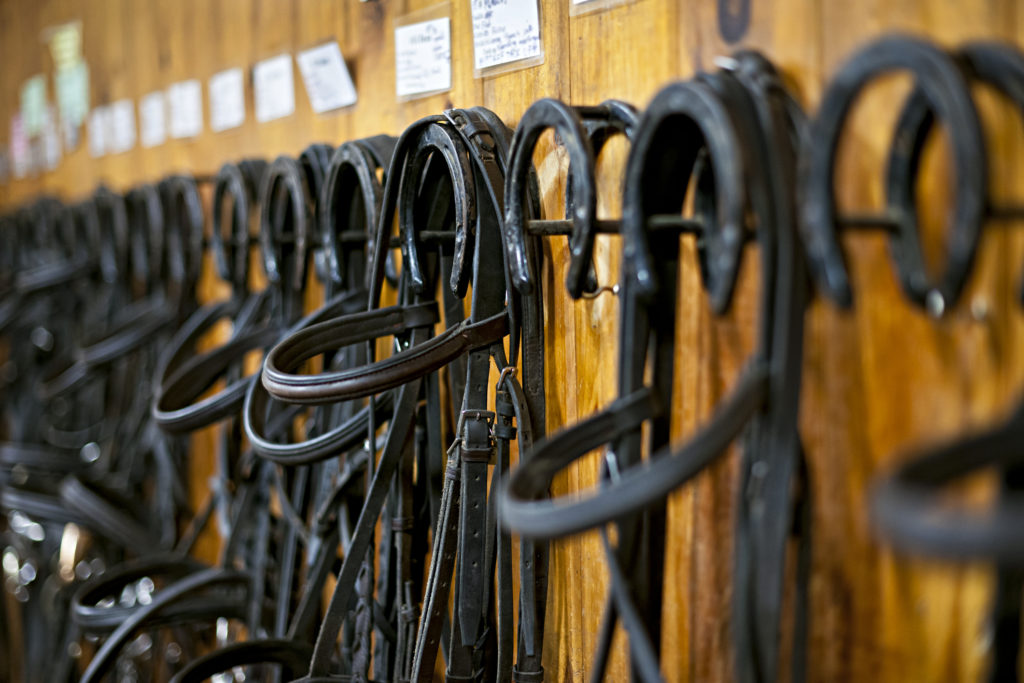
Is your tack room in need of organizing? Our digital managing editor recently gave hers the Marie Kondo treatment and found KonMari-ing horse-related items more challenging than cleaning her closet.

But, while the cribbers learned as well as the noncribbers, that doesn’t mean they’re the same as noncribbers when learning, researchers cautioned. They’re sensitive to stress and need particular attention to stress management, especially in a new environment, they said.
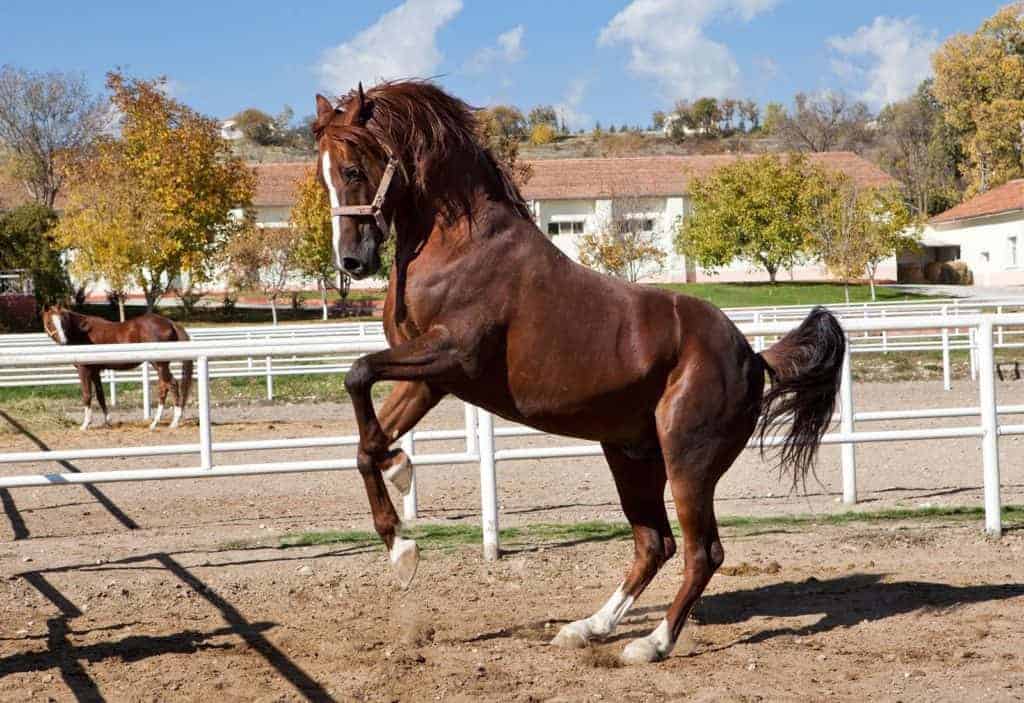
Food-aggressive horses might escalate their attempts to ask for treats, like bumping humans with their heads, to more aggressive food-guarding behavior, one equine behaviorist says.
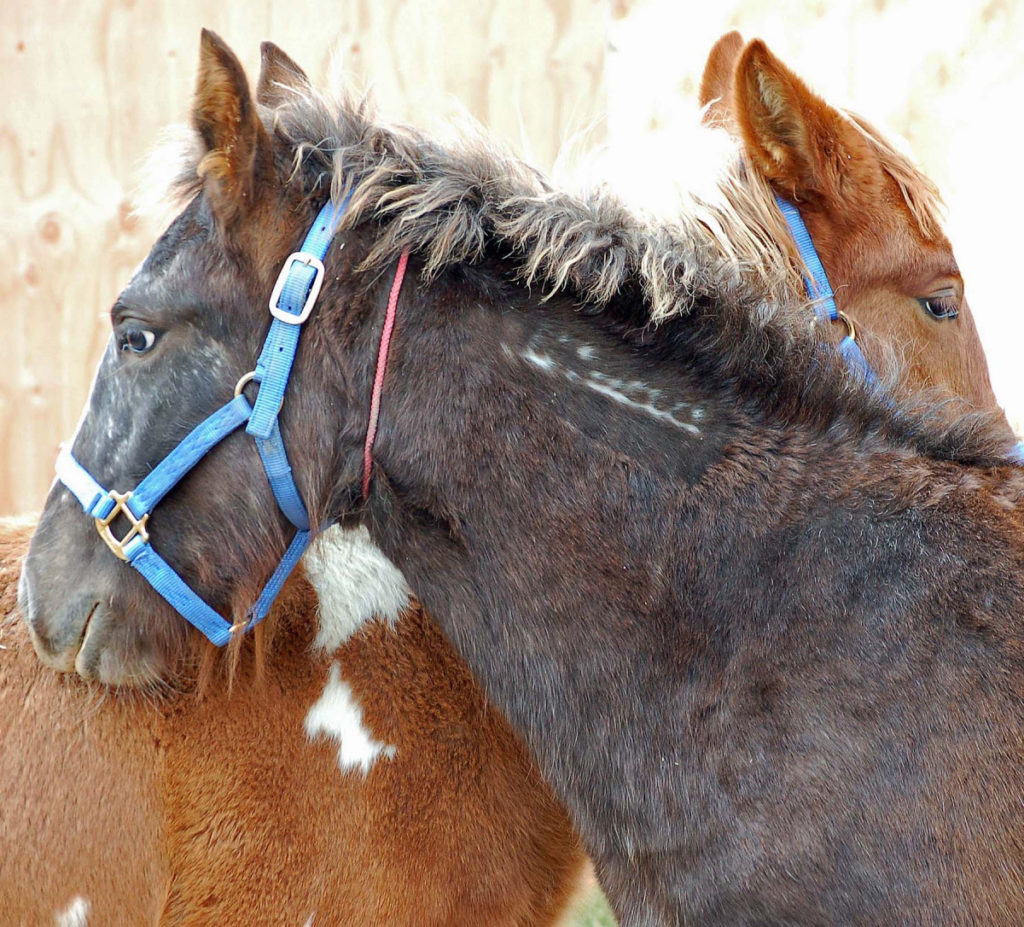
The BLM is seeking public comments on motorized vehicles and aircraft use in managing wild horses and burros on agency-managed lands in Montana and the Dakotas.

Making a horse property or business financially sustainable can be challenging. If you could use cost-cutting help, here are a few tips from two barn owners.