Working With Your Veterinarian on Treatment Plans
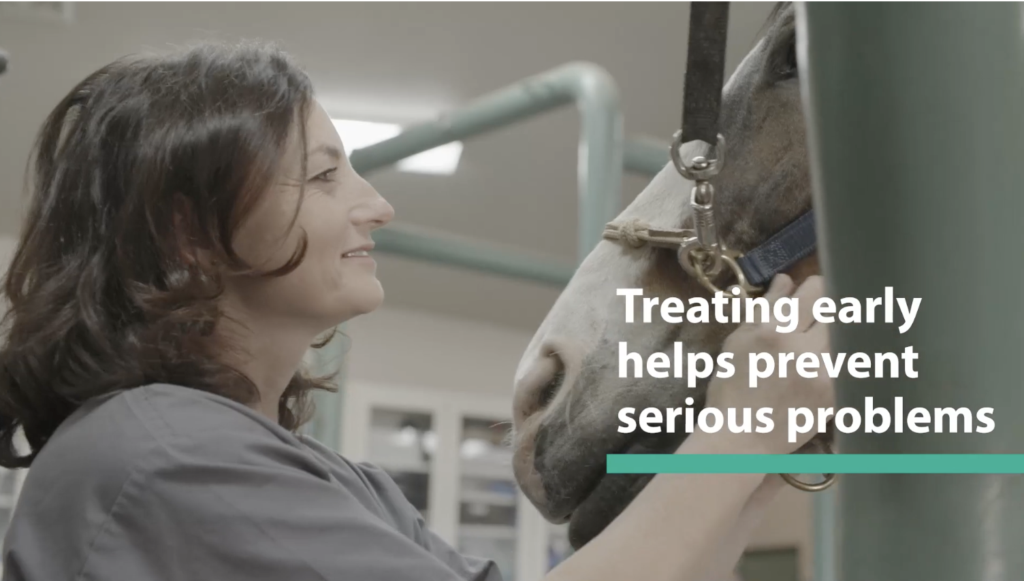
When you make treatment decisions a two-way conversation with your equine veterinarian, you can minimize costs and prevent more serious problems.

When you make treatment decisions a two-way conversation with your equine veterinarian, you can minimize costs and prevent more serious problems.
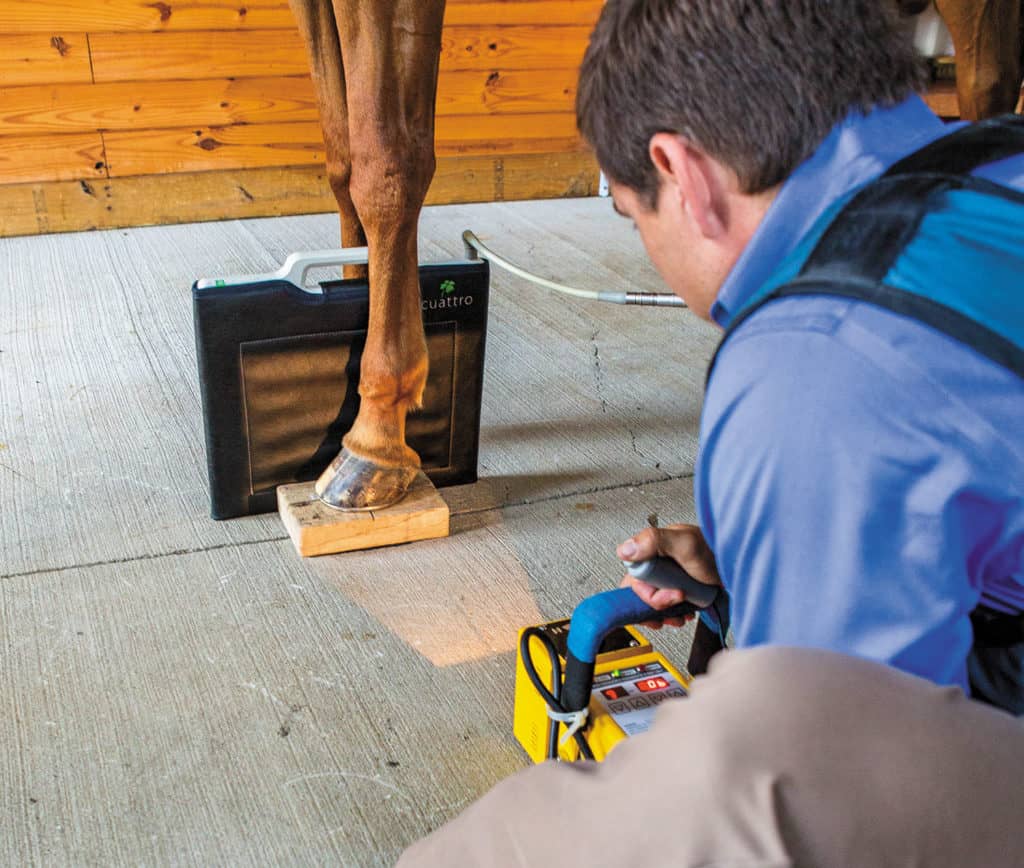
A veterinary podiatrist explains how X rays can be a useful tool for managing horses with chronic laminitis.
Not all ulcers are the same, and veterinarians must use gastroscopy to definitively diagnose them. Find out how and why veterinarians grade gastric ulcers. Sponsored by Endoscopy Support Services.
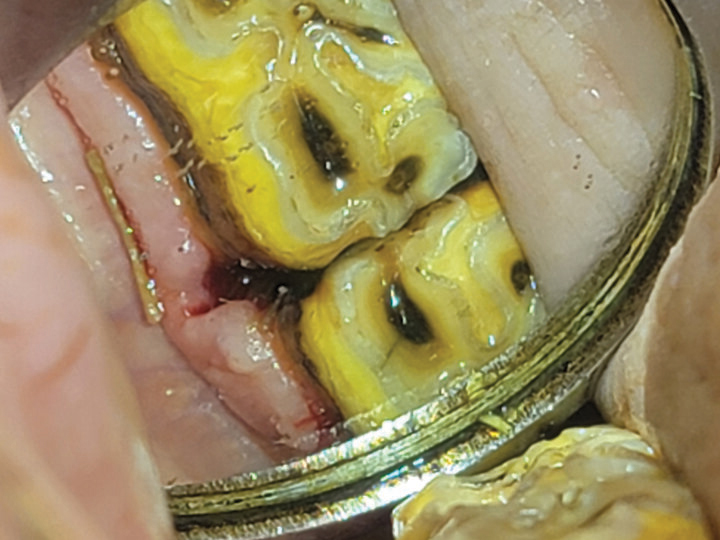
Learn why an annual veterinary dental examination is the foundation for good oral hygiene.
As the seasons change, so do the strategies we use to manage horses’ hooves.

Veterinarians and farriers emphasize individualized maintenance for preventing lameness and promoting long-term horse soundness.
Idiopathic trigeminal-mediated headshaking causes severe facial pain in horses. Learn the signs, triggers, diagnostic process, and management options.
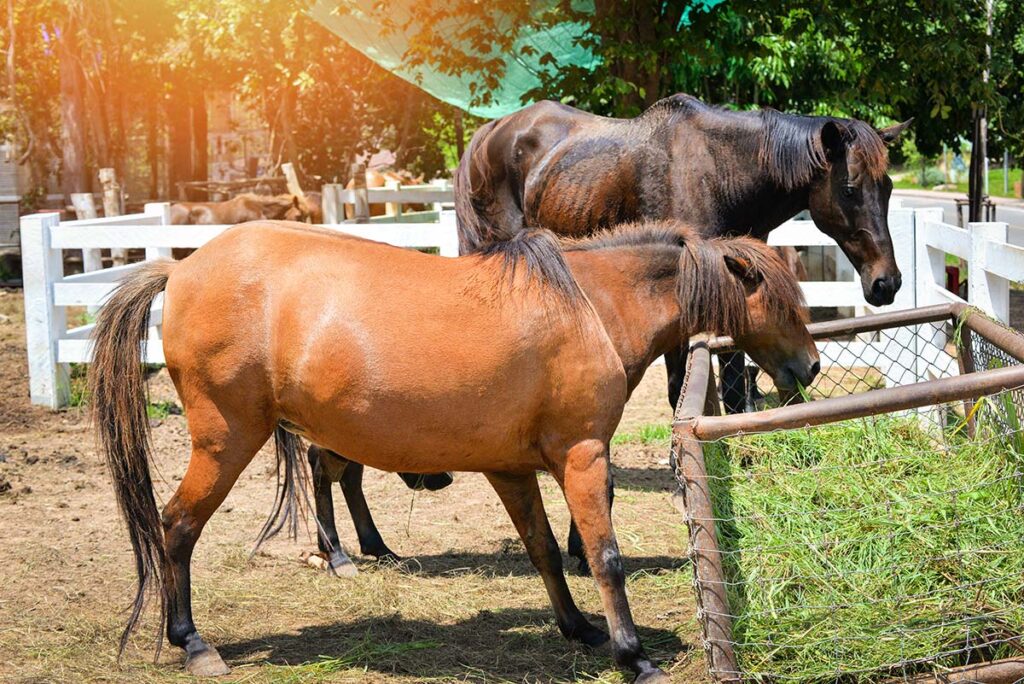
Managing chronic laminitis in horses calls for a proactive approach.

Learn about two different and unrelated processes that present as firm swellings in the horse’s pastern region.
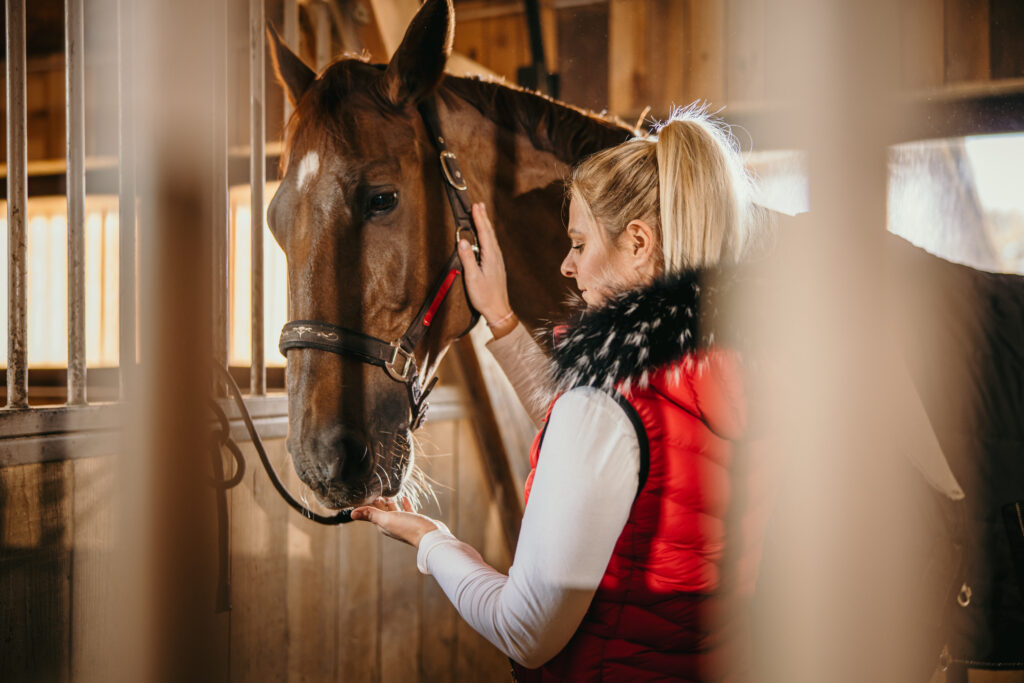
Veterinary researchers early in their careers were honored at the 2026 Veterinary Scholars Symposium for work on equine pregnancy loss and the parental gut microbiome.

Dr. Anthony Blikslager will deliver the Frank J. Milne State-of-the-Art Lecture on Tuesday, Dec. 8, at the AAEP’s 72nd Annual Convention, in Las Vegas, Nevada.

Watch for signs of these 5 health conditions when you’re trying a horse to buy, and talk to your veterinarian about any concerns.
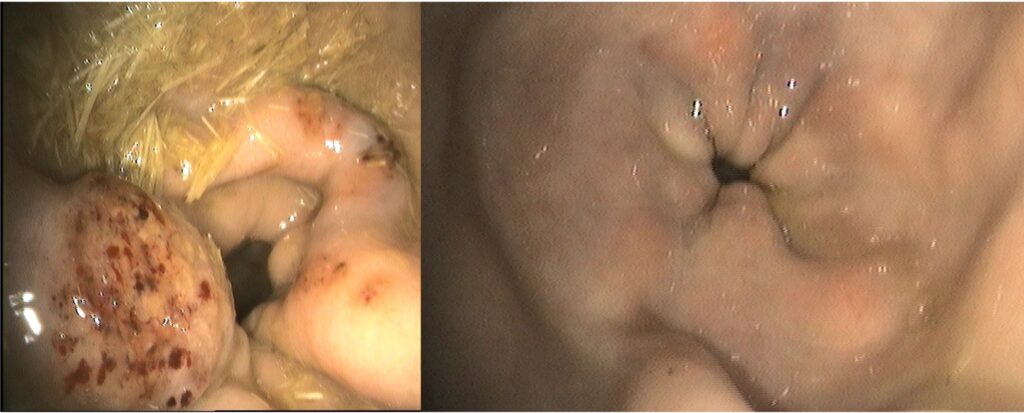
Not all equine glandular gastric ulcers heal with medication. Learn when chronic lesions need ongoing management or surgical removal.
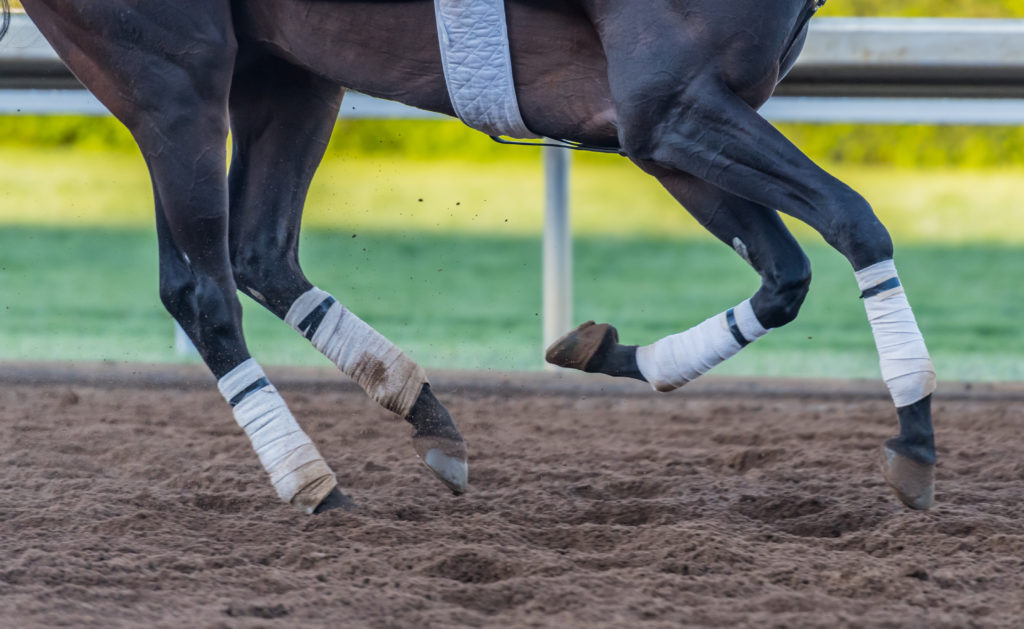
Researchers are using CT scans and machine learning to identify bone changes that could help predict and prevent catastrophic injuries in racehorses.
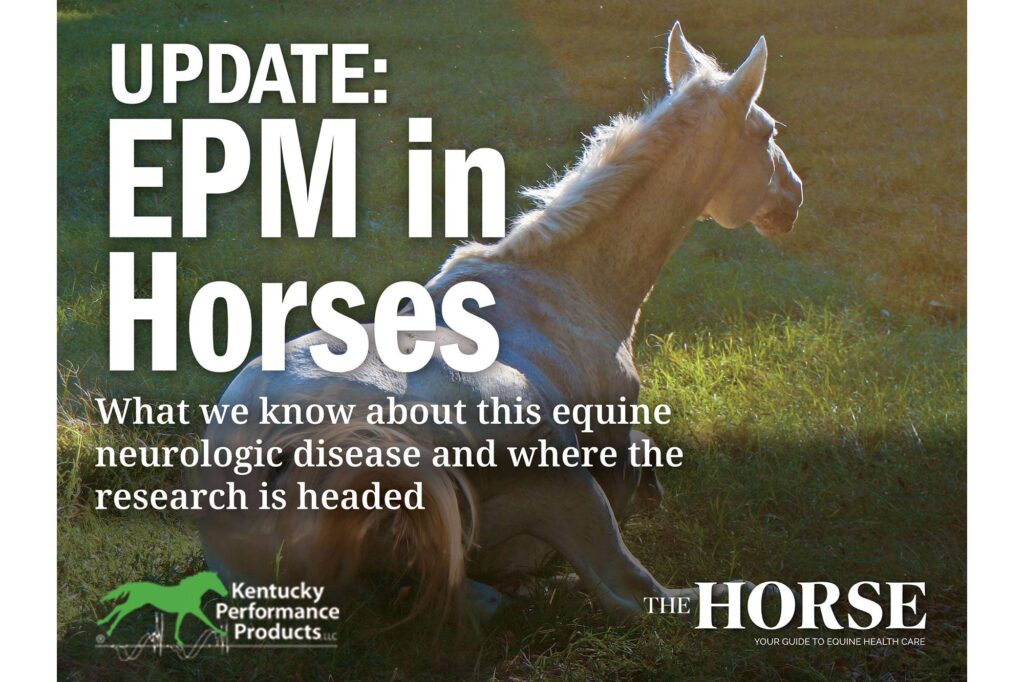
Equine protozoal myeloencephalitis (EPM) can cause devastating neurologic illness in horses. Here’s what veterinarians know about how to diagnose, treat, and prevent EPM, and where the research is headed. Sponsored by Kentucky Performance Products.
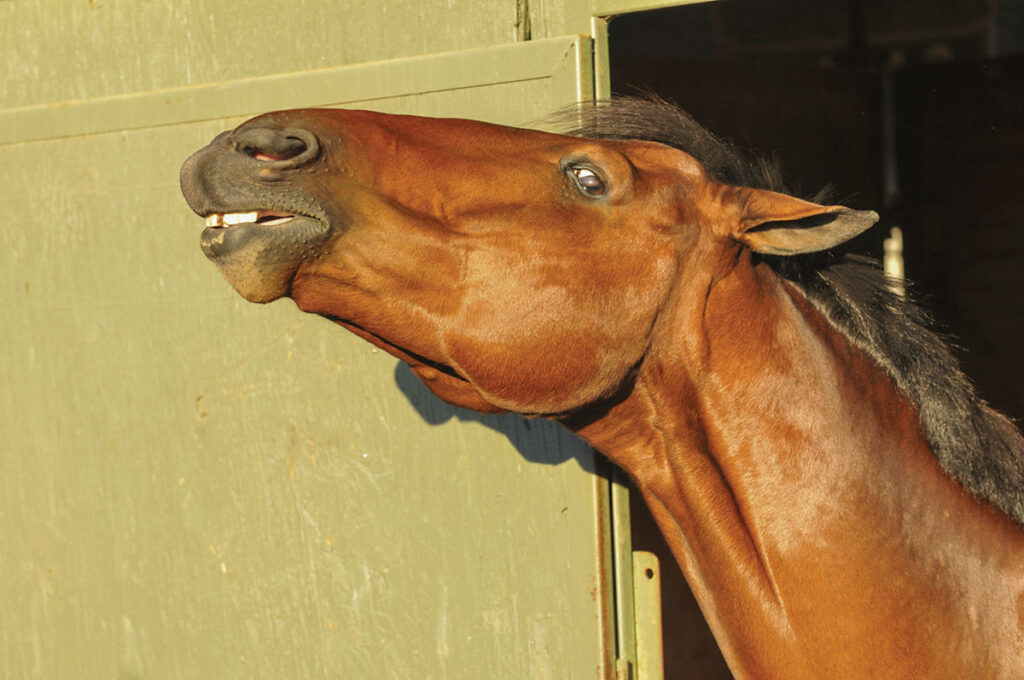
One unusual case shows how headshaking can have an infectious origin. Read more in The Horse’s Summer 2026 issue.